Every fall, teachers spend weeks reteaching material students supposedly learned the year before. Parents notice it too, when a child who breezed through multiplication in May suddenly stumbles in August. This pattern has a name, the summer slide, and decades of classroom data confirm it is real. On average, students lose a meaningful chunk of what they learned over a long break with no practice. The losses are not random, and they are not a sign that a child is lazy or slow. They come from a basic feature of how human memory works, and once you understand it, the whole problem looks far less mysterious.
Memory is not a storage box that holds things until you need them. It is more like a path through tall grass that fades when nobody walks it. Every time a student recalls a fact or works through a problem, the path gets clearer and easier to follow. When the walking stops, the grass grows back, and the route gets harder to find. A summer with no math, no reading, and no real thinking lets a lot of those paths fade. The knowledge is not gone forever, but it sinks below the surface and takes effort to pull back up. That recovery time is exactly what teachers burn through every September.
The slide does not hit every subject the same way, and the difference is telling. Math tends to fade fastest, because it depends on procedures that need regular practice to stay sharp. Steps like long division or solving for a variable rely on repetition, and repetition is the first thing to disappear over a break. Reading holds up better for children who already read on their own, since a kid who reads for fun keeps walking that path without being told to. But reading skills can slide hard for students who do not pick up a book all summer, and that gap tends to widen year after year. The students with the least support at home usually lose the most, which is how summer quietly deepens the divide between kids.
The good news is that stopping the slide does not require a strict summer school schedule. The brain needs only light, regular use to keep those paths open, not hours of drilling. A few short sessions a week are enough to hold most of what a child learned. The key word is regular, because ten minutes several times a week beats a single long cram session by a wide margin. Spacing practice out is one of the most reliable findings in all of learning research. Even keeping a single workbook page or one short chapter a few times a week is usually enough to hold the line. Small and steady keeps the door open without turning summer into a second classroom that everyone dreads.
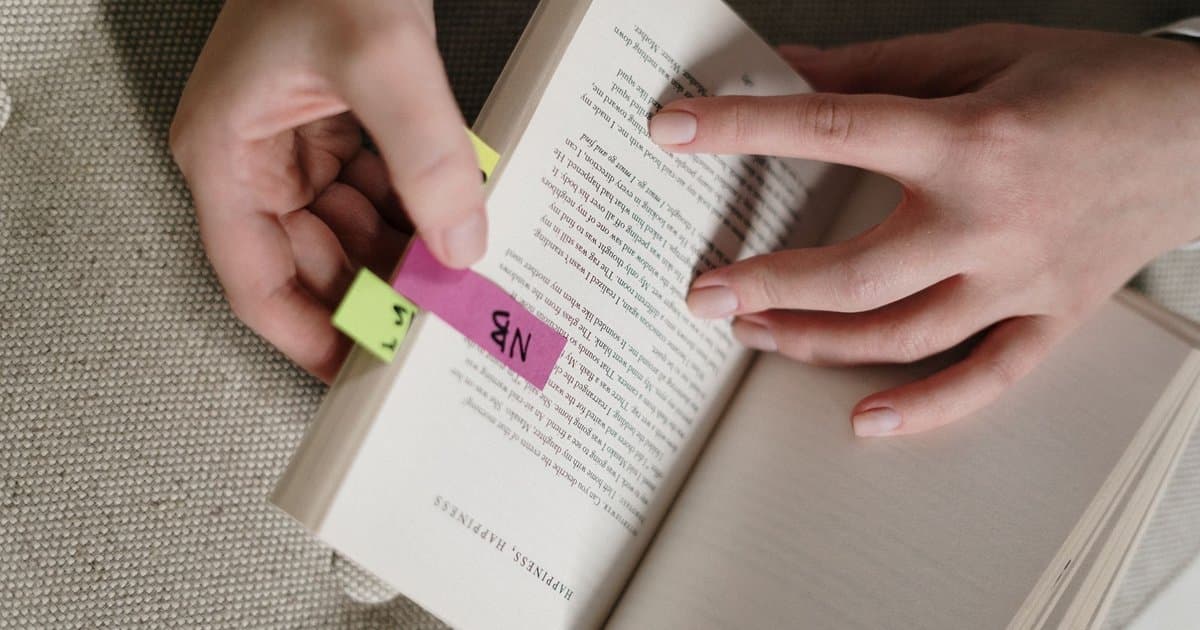
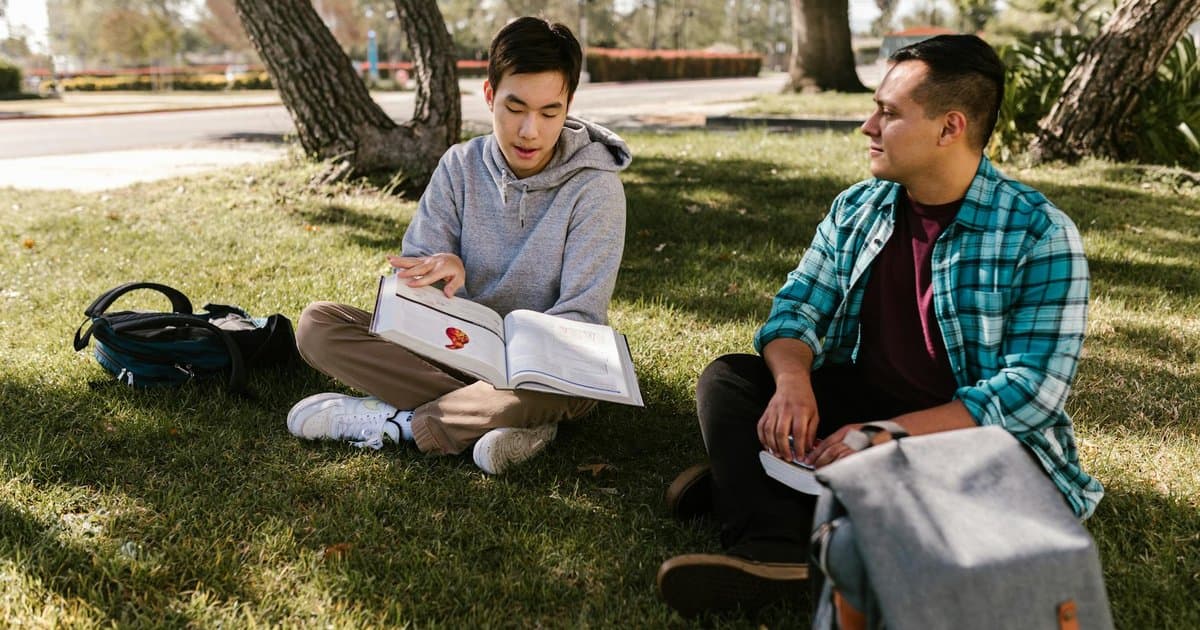
For reading, the simplest tool is also the most powerful, which is letting a child read things they actually enjoy. The genre barely matters, whether it is comics, sports books, fantasy, or magazines, because the goal is keeping the habit alive. Twenty minutes of reading a child chooses will do more than an hour of assigned pages they resent. For math, the move is to fold numbers into normal life instead of worksheets. Cooking, splitting a bill, keeping score in a game, or figuring out travel time all keep the mental paths walked. The aim is to make practice feel like part of the day rather than a punishment.
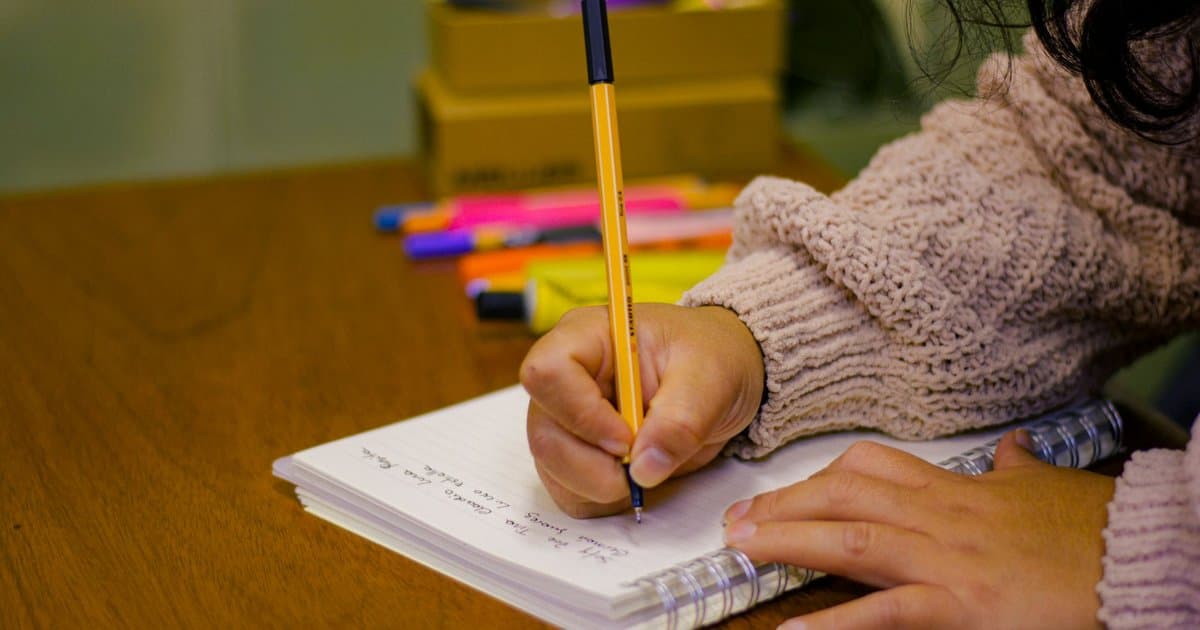
It also helps to keep a child curious about the world, since curiosity does some of the work on its own. A trip to a library, a museum, a garden, or even a long conversation about how something works keeps the mind active. Writing helps too, and it can be as casual as a short journal, a letter to a relative, or a list of summer plans. None of this needs to look like school, and it works better when it does not. The goal is a brain that stays awake over the break, not one that gets crammed and resents every minute. A summer spent fully switched off is what sets up the long climb back in the fall.
The summer slide is predictable, which means it is also preventable. Knowing that memory fades without use takes the mystery out of why kids forget and points straight at the answer. Keep the paths walked with small, regular, low-pressure practice, and most of the loss simply does not happen. A child can still have a real summer, full of rest and play, and hold on to what they earned the year before. The families who understand this give their kids a quiet head start every September. Parents who treat the break as a total switch off are usually the ones who pay for it when school returns. It costs almost nothing but a little attention spread across the weeks.