Almost everyone has seen it happen at some point. A family moves to a new country, and within a year the children are chatting easily with classmates while the parents are still fumbling through basic sentences. It looks like kids have some kind of magic that adults simply lost along the way. The gap is real, but the explanation is not what most people assume it is. It is not that a child's brain is a sponge and an adult's brain is a rock. Once you understand what is actually going on, some of the child's advantage turns out to be available to you too.
Part of the answer really is biology. Young brains are unusually good at picking up the sounds of a language, especially the ones their native tongue does not use. There appears to be a window in early childhood when the ear and the mouth adapt easily to new sounds, which is why kids so often end up with a native accent and adults rarely do. That window narrows steadily with age. This is the one piece adults cannot fully get back, and it is worth being honest about. If a flawless accent is your only measure of success, you will always feel a step behind, and that is a hard standard to hold yourself to.
Here is the part that usually gets left out of the conversation. On almost every measure except accent, adults and older children actually learn faster than young kids in the early stages. An adult already understands how language works, can study grammar on purpose, and can memorize vocabulary in a structured way. A three-year-old needs years of constant exposure to reach a level that a motivated adult can reach in months of focused study. So the idea that adults are simply bad at languages is mostly a myth we repeat to excuse ourselves. The child is not faster overall. The child is faster at sounding like a native speaker, which is only one narrow piece of learning a language.
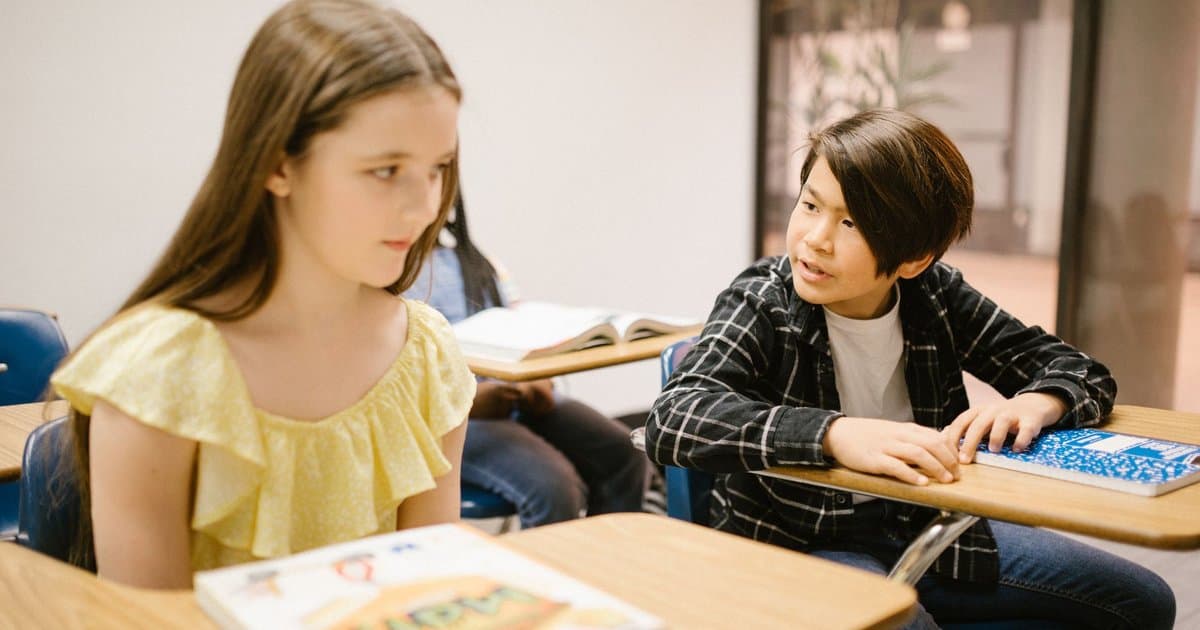
The biggest thing a child has is not a better brain. It is a better environment. A kid in a new country is surrounded by the language for most of their waking hours, with no easy option to switch back to something comfortable. They hear it on the playground, in the classroom, and from friends who will not slow down for them. That adds up to thousands of hours of real input that no adult evening class can hope to match. Adults could learn just as well if they lived inside the language the same way. Most of the difference is exposure, not raw talent, and exposure is something you can arrange on purpose if you decide it matters enough.
There is also a quieter reason children pull ahead so quickly. They are not embarrassed to be bad at something in public. A child will happily use three wrong words and a hand gesture to get a snack, then try again a minute later without a second thought. Adults freeze up because they are afraid of sounding foolish, so they speak less and therefore practice less. The willingness to make mistakes out loud is one of the strongest predictors of progress in any language. Children have that willingness by default. Adults usually have to choose it on purpose, and the ones who manage it tend to catch up faster than they expected.
It helps to see what this looks like in practice for a grown learner. Instead of one quiet hour with a workbook, the fast adults change their phone settings, follow creators in the new language, and label things around the house. They find a person to talk with every week and accept that the first months will sound clumsy. They stop treating the language as a subject to be studied and start treating it as a tool they use to live. That shift from studying to living is what separates the people who quietly become fluent from the ones who take classes for years and stall out just short of real conversation.
So if you are an adult trying to learn, stop competing with a six-year-old on accent and start copying what actually makes them succeed. Surround yourself with the language for real hours, not just a lesson twice a week. Speak before you feel ready, and let yourself be wrong out loud where people can hear you. Use the adult tools a child does not have, like grammar study and deliberate vocabulary practice, layered on top of that heavy exposure. The child's secret was never a special brain. It was constant contact and zero fear, and both of those are things a grown adult can build on purpose.