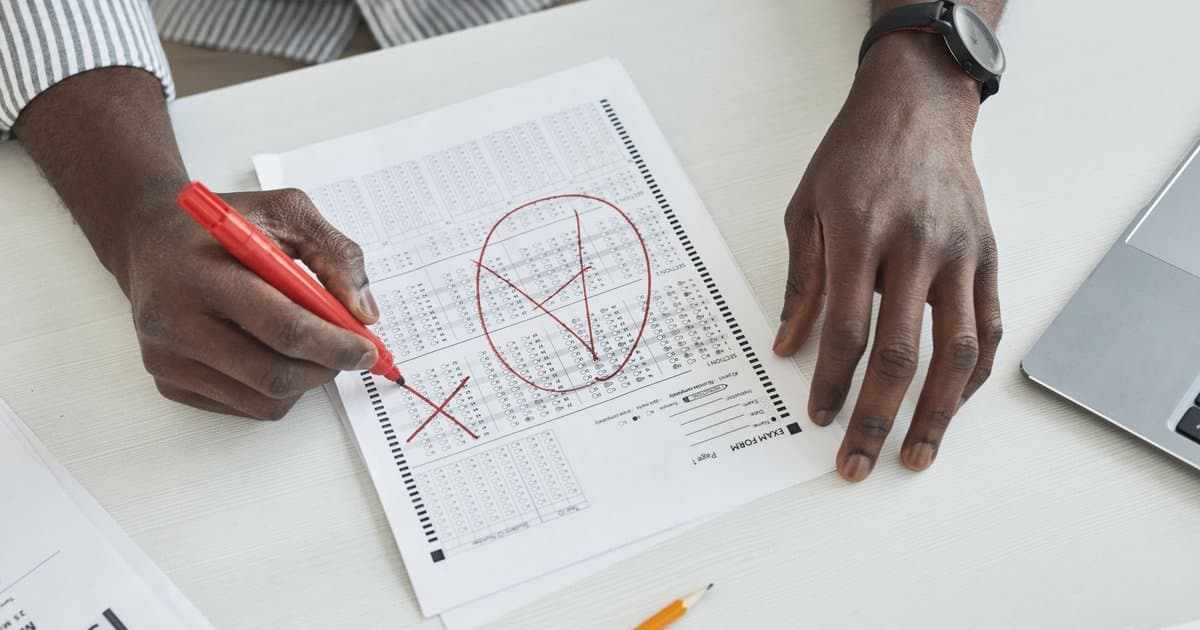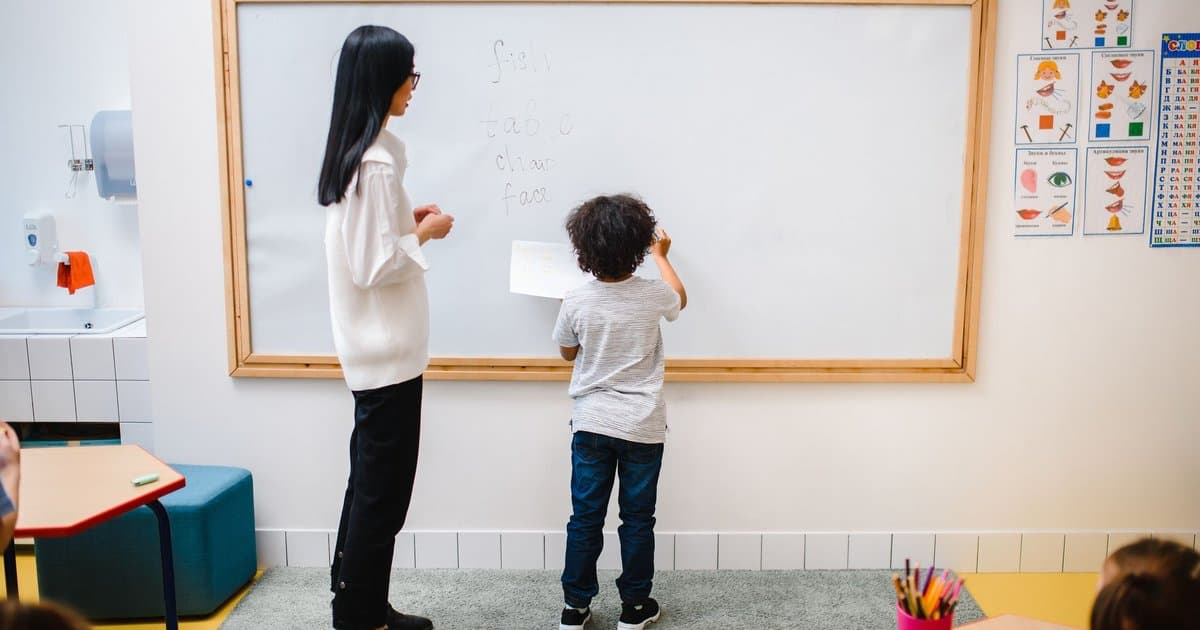
It is one of the most confusing moments a parent can face. Your child sits in class, follows the lesson, nods along, and even answers questions out loud. The homework comes back looking fine. Then the test lands, the grade is low, and everyone is left wondering what went wrong. The easy explanation is that the child was lazy, careless, or frozen by nerves. Sometimes that is part of it, but far more often the real problem is that understanding something in the moment is a completely different skill from pulling it back out days later on your own.
The first thing to understand is the difference between recognition and recall. In class, the teacher gives constant cues. There are hints, examples on the board, and the flow of the lesson to lean on, so the material feels obvious. Recognizing the right answer when it is placed in front of you is easy and it feels like knowing. A test asks for something harder. It hands your child a blank page and asks them to produce the information with no cues at all. That is recall, and recall is a muscle that only gets built through practice, not through watching someone else use it. A useful way to picture it is the difference between recognizing a face in a crowd and describing that same face to a sketch artist from memory. The first is almost effortless, while the second is genuinely hard, and a test always asks for the second one. Children who only ever practice the easy version walk into the exam unprepared for the hard one.
This is where a trap called the fluency illusion does real damage. When a student rereads their notes or the textbook, the words start to feel familiar and smooth. That smoothness gets mistaken for mastery. The brain says, I recognize all of this, so I must know it. Highlighting does the same thing, since coloring a page feels like studying while asking almost nothing of the memory. Research on students shows they consistently rate these methods as their most effective, when in reality they are among the weakest ways to prepare for a test. The comfort is exactly the problem.
The method that works looks harder and feels worse in the moment, and that is the point. It is called retrieval practice, and it simply means closing the book and forcing yourself to recall the information from memory. Making flashcards and actually answering them counts. Writing down everything you remember about a topic on a blank sheet counts. Taking a practice test counts most of all. Every time your child struggles to remember something and then finds it, that effort strengthens the memory and makes it easier to reach next time. The small struggle is not a sign of failure, it is the mechanism doing its job. Scientists sometimes call this the testing effect, and it is one of the most reliable findings in all of learning research. The act of retrieving a fact changes the memory and files it away more securely than reading that same fact ten more times ever could. This is why a student who takes three practice quizzes will usually outscore one who reread the chapter three times, even when they spent the exact same minutes studying.
Timing matters just as much as method. Cramming the night before can create a shaky kind of short term recognition that feels like knowledge, but it fades within days because nothing was stored deeply. Spreading the same study time across several shorter sessions, an approach called spacing, produces far stronger and longer lasting memory. Mixing different types of problems in one sitting, instead of drilling one kind over and over, helps too, because it forces the brain to choose the right approach the way a test will. A little bit every few days beats one long panicked night almost every time. Part of why spacing works is that a small amount of forgetting between sessions is actually helpful, because relearning something you half forgot drives it deeper. Cramming skips that step entirely, so the information sits on the surface and slides off under the pressure of a real exam.
None of this requires a tutor or expensive materials. A parent can quiz a child in the car, ask them to teach the lesson back in their own words, or run a few practice questions with the book closed. The goal is to move studying away from passive rereading and toward active remembering. It also helps to say the quiet part out loud to your child. A low test grade after they understood the lesson does not mean they are not smart. It usually means they studied in a way that felt productive but never asked their memory to do the actual work. Change the method, space it out, and watch the results follow.