A report card feels like a clear verdict on how a child is doing, and parents read it that way. A column of A's brings relief, a C sparks worry, and the whole conversation at home tends to orbit those letters for a week. The trouble is that a grade measures far less than most people assume, and treating it as the full picture can point your attention in the wrong direction. Grades capture a slice of what happened in a classroom, filtered through one teacher's system, on a handful of assignments and tests. That slice is worth knowing, but it leaves out some of the qualities that matter most for who a child becomes. Understanding the gap helps you read a report card for what it is rather than what it pretends to be.
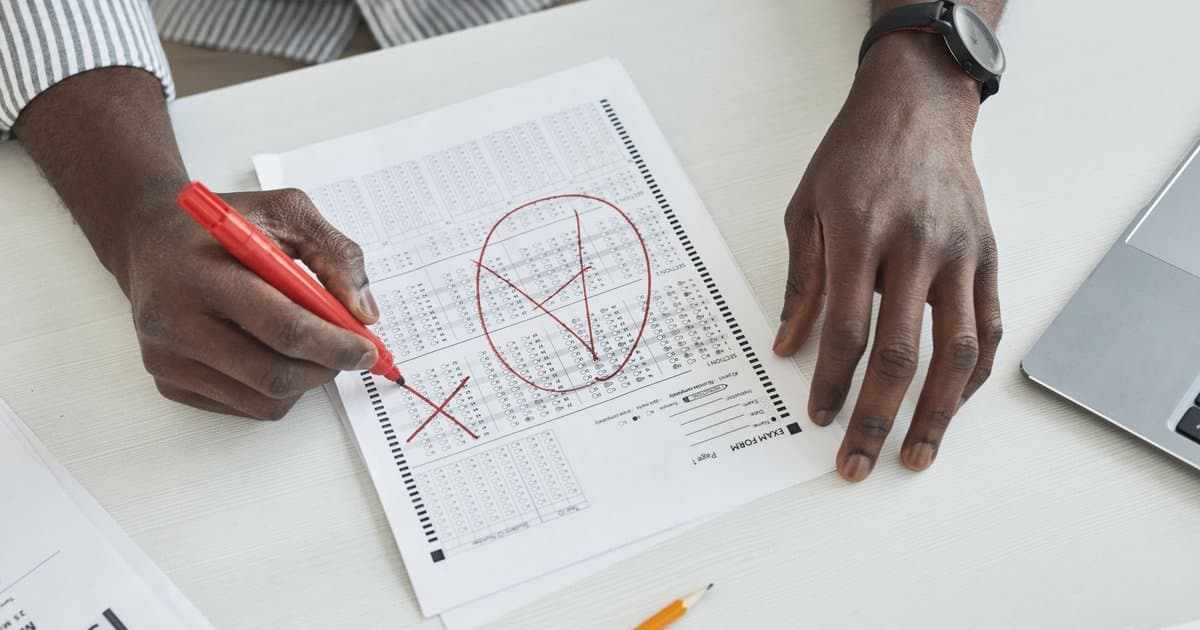
Start with the most basic limit. A grade often measures compliance as much as it measures understanding. A student who turns work in on time, follows directions neatly, and remembers what to study can earn strong marks without deeply grasping the material. Another student might understand a subject more richly but lose points for messy work, late assignments, or a test that landed on a bad day. The letter does not separate those two stories, and it cannot tell you whether a child actually understands or simply played the game of school well. That is why a quiet B can hide real mastery and a polished A can hide a shaky foundation. The grade flattens both into the same symbol.
Then there is everything a letter grade was never built to capture. Curiosity does not show up on a report card, yet it predicts more about a child's future learning than almost any test score. The same is true of persistence, the willingness to stay with a hard problem instead of quitting at the first wall. Grades also miss whether a child can work with others, recover from a setback, ask a good question, or care about something enough to chase it on their own. A student can be developing all of those strengths during a semester where the letters barely move. If you only watch the grades, you will miss the growth that actually matters, and you may even discourage it without meaning to.
The way a grade gets used at home can do quiet harm, too. When a child learns that the letter is the prize, they start optimizing for the letter rather than the learning underneath it. They pick the easy class to protect the average, avoid the hard subject where they might struggle, and treat a low grade as proof that they are not smart rather than a signal about one assignment. That mindset is fragile, because it ties their sense of ability to an outcome they cannot fully control. A child who believes intelligence is fixed and measured by grades tends to give up faster when work gets difficult. The fear of a bad grade ends up shrinking the very risk taking that real learning requires.
So use grades, but hold them loosely and read past them. When a report card comes home, ask your child what they found interesting this term, what was hard, and what they figured out, not just what they scored. Praise the effort and the strategy rather than the letter, because those are the things they can repeat and build on. Watch for the signs that no grade reports, like whether they are more curious, more willing to try, and more resilient than they were a few months ago. A dip in a single subject is information, not a crisis, and a string of A's is not proof that everything is fine underneath. The goal was never to raise a child who collects letters. It was to raise one who keeps learning long after the report cards stop coming.