Every fall, teachers spend weeks reteaching things students clearly knew in June. Parents see it too, when a child who was reading smoothly in spring sounds rusty by August, or when math facts that were automatic suddenly need fingers again. Researchers have a name for this, the summer slide, and it is not a myth or a parent's imagination. Studies going back decades show that many students lose a meaningful chunk of the year's learning over a long break, with the steepest drops in math and in reading for kids who do not read much during those months. The question worth asking is why it happens, because the answer points straight to the fix.
The simplest explanation is that the brain treats skills like muscles. What you use stays strong, and what you stop using gets weaker, which is true for a fifth grader and for an adult who has not done long division since school. During the school year, kids practice reading and math constantly, in every subject and most days. When that daily practice stops cold for ten or eleven weeks, the pathways that made those skills fast and automatic begin to fade. Nothing is broken, the knowledge is mostly still there, but it gets slower to reach, which is why September feels like shaking off rust rather than learning from zero.
Math tends to slide more than reading, and there is a reason for that pattern. Most math learning happens at school, through structured lessons and steady practice, so when school stops, the practice stops almost entirely for many kids. Reading is different, because a child who picks up books over the summer keeps the skill alive without it feeling like school. That is also why reading loss is so uneven. Kids who read for fun over the break often hold steady or even gain ground, while kids who do not read at all can fall behind, and that gap widens a little more each summer until it becomes hard to close.
Access matters as much as habit, which is the uncomfortable part. Children in homes with books, museum trips, summer programs, and adults with time to read with them tend to keep learning without anyone calling it school. Children without those things lose more, not because they are less capable but because the practice simply is not available to them. This is part of why the slide hits some communities harder, and why a free library card and a summer reading program can do more than they appear to. The fix is rarely about expensive tutoring. It is about keeping the skills in gentle, regular use.
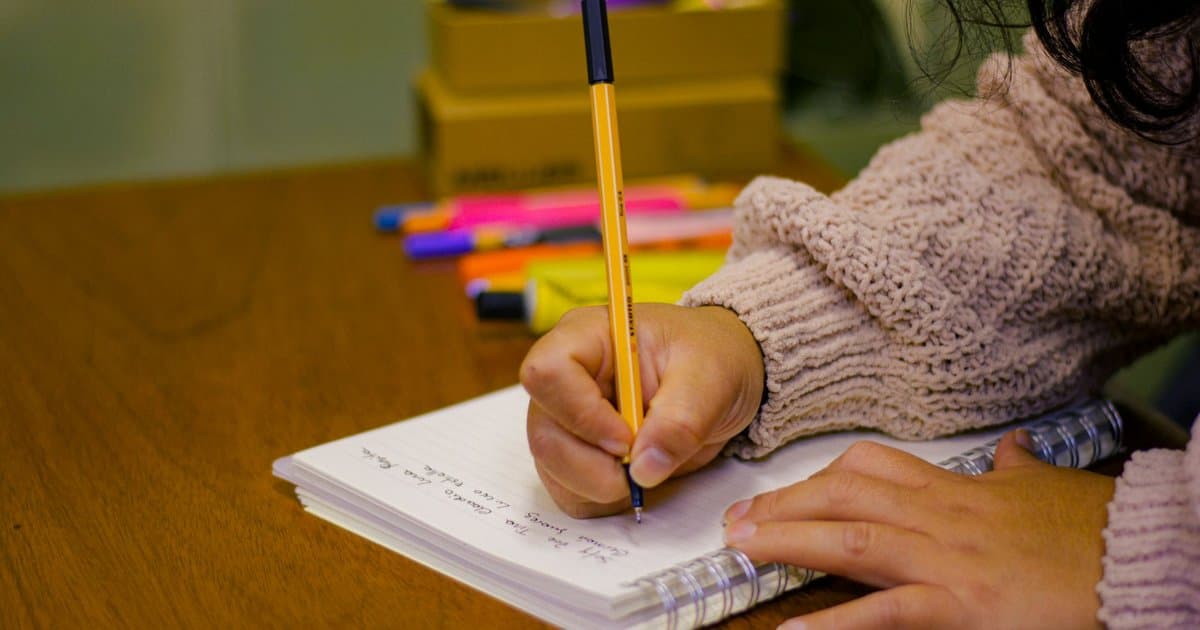
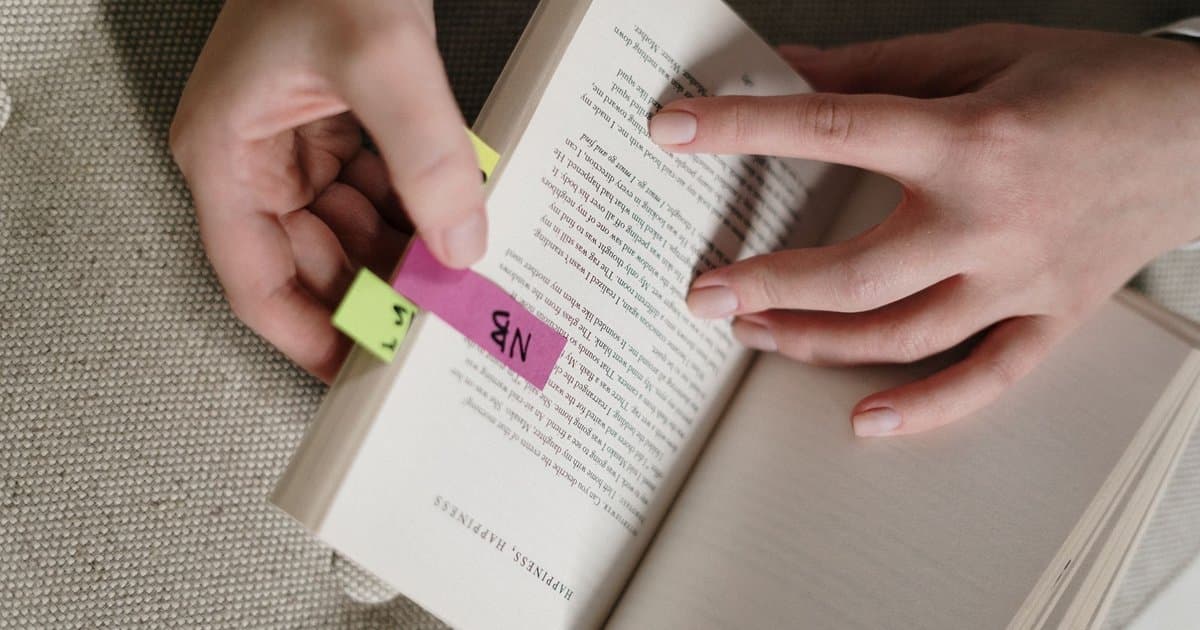
The encouraging news is that preventing the slide takes much less than people fear. Twenty minutes of reading most days, books the child actually wants to read rather than ones assigned to them, is enough to protect reading skills through the whole summer. For math, short and playful counts, like cooking with measurements, keeping score in a game, figuring out change at a store, or ten minutes of an app a few times a week. The goal is not to recreate a classroom at the kitchen table, which usually ends in a standoff. The goal is to keep the pathways warm so they do not have to be rebuilt in the fall.
So if your child seems to forget over the summer, it is not a sign of laziness or a failing memory. It is the predictable result of stopping practice entirely for two and a half months, and it reverses with surprisingly little effort. Pick a regular reading time, let them choose the books, weave a little counting and measuring into ordinary days, and use the library, which costs nothing and was built for exactly this. The children who come back in the fall still sharp are rarely the ones who did workbooks all summer. They are the ones who simply never fully stopped, in small and mostly enjoyable ways.
It also helps to build the practice into a routine rather than leaving it to willpower on a hot afternoon. Kids do better with a predictable rhythm, like reading right after breakfast or before bed, so it becomes part of the day instead of a battle to be negotiated. Let them see you reading too, because children copy what the adults around them actually do far more than what they are told. Keep books, not just screens, within easy reach in the house and the car. The aim across the whole summer is steadiness, not intensity, a little most days rather than a cram session in the last week before school. That gentle consistency is what carries the skills across the gap. Start this week with one book and one regular time, and let it grow from there rather than waiting for a perfect plan. A summer of small, steady practice protects far more than any frantic catch up in late August ever could, and it asks much less of everyone involved.