Most of us absorbed our ideas about learning by accident. A teacher said something, a parent repeated it, and it settled into the background of how we think about studying. The trouble is that some of the most repeated advice does not survive a close look. Researchers have spent decades testing how people actually learn, and a few popular beliefs keep failing those tests. When students build their study habits on bad assumptions, they work hard and still feel like the material slides off them. Knowing which ideas to drop is often more useful than learning a new trick.
The first myth is the idea of learning styles, the belief that each person is a visual, auditory, or hands-on learner and should be taught accordingly. It sounds reasonable and it feels true, because most people have a preference for how they like to receive information. But preference is not the same as ability, and study after study has failed to show that matching teaching to a style improves results. A student who likes diagrams does not actually learn history better when the lesson is drawn instead of read. What matters far more is matching the method to the material, so you learn a map by looking at a map and learn an argument by working through the words. Chasing your supposed style can pull you away from the approach the subject actually calls for.
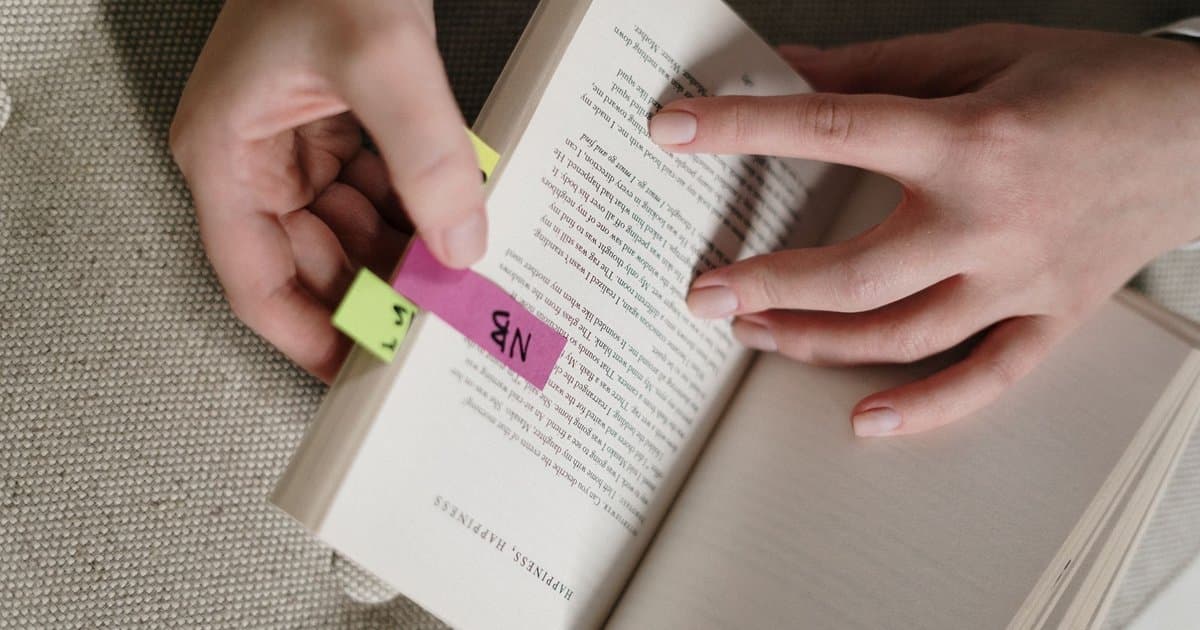
The second myth is that rereading is studying. Opening the textbook, running your eyes over the highlighted lines, and closing it again feels productive because the words look familiar. That feeling of familiarity is exactly the trap. Recognizing information when it is in front of you is not the same as being able to pull it out of your own head during a test. The method that actually builds memory is retrieval, which means closing the book and forcing yourself to recall the answer before you check it. It feels harder and slower, and that difficulty is the point, because the effort of remembering is what makes the memory stick.
The third myth is the belief that struggling means you are bad at the subject. When a problem feels hard and your first attempts fail, it is easy to read that as a sign you are not cut out for it. In reality, a certain amount of struggle is the normal cost of learning anything worth knowing. Material that feels easy is often material you already knew, which means you are not growing while you review it. The discomfort of being stuck and working your way out is when the real learning happens, a pattern researchers call desirable difficulty. Students who expect learning to feel smooth tend to quit right at the moment the effort would have paid off.
This is not only a student problem, because the same myths shape how parents and tutors try to help. A parent who quizzes a child from a closed book is using retrieval, even if they never heard the word for it. A parent who simply reads the chapter aloud again is repeating the rereading trap on the child's behalf. When a kid says a subject feels hard, the instinct is often to reassure them that they are smart, when what helps more is explaining that hard is normal. Adults who understand these three myths can steer a struggling learner toward the methods that work instead of the ones that feel nice. The lesson travels well beyond a single desk or a single test.
Notice what these three myths have in common. Each one steers you toward whatever feels comfortable and away from the effort that actually works. Learning styles let you stay in your preferred lane, rereading lets you avoid the strain of recall, and the fear of struggle lets you stop before the hard part. Comfort is a poor guide here, because the brain treats ease as a signal that there is nothing new to encode. The methods that build durable knowledge almost always feel worse in the moment than the ones that do not. That mismatch between what feels productive and what is productive is why so many sincere students stall.
The fix is not complicated, and it does not require any special talent. Replace rereading with self-testing, even if your first answers are wrong, because the wrong answer you correct is remembered better than the right one you only recognized. Space your study sessions out over days instead of cramming them into one, since the small act of forgetting and then recalling strengthens the memory each time. Treat confusion as information rather than failure, and stay with a hard problem a little longer than feels natural. None of this asks you to be smarter than you are. It only asks you to stop trusting the comfortable habits that feel like learning but are not.