We tend to blame a bad memory when the details of a class slip away. The truth is less personal and more useful. Forgetting is not a defect in your brain. It is the normal, expected behavior of a healthy mind. What feels like failure is actually the default setting for how memory works. Once you accept that, studying starts to make far more sense.
The clearest map of forgetting was drawn in the 1880s by a German researcher named Hermann Ebbinghaus. He ran the experiment on himself, memorizing long lists of meaningless syllables so no prior knowledge could help. Then he tested how much he could recall after minutes, hours, and days. The pattern he found was steep and steady. Memory of new, unrehearsed material dropped fast at first, losing a large share within the first hour. After a day, most of it was gone. He plotted the decline and gave us the forgetting curve.
The curve looks grim, but it reflects something sensible. Your brain is flooded with information every waking hour, and holding all of it would be a burden, not a gift. So the mind treats a single exposure as probably unimportant and lets it fade. Information that never gets revisited is quietly marked as noise. This is not laziness on the brain's part. It is a filter that keeps you from drowning in useless detail. The problem is that real learning gets caught in the same filter.
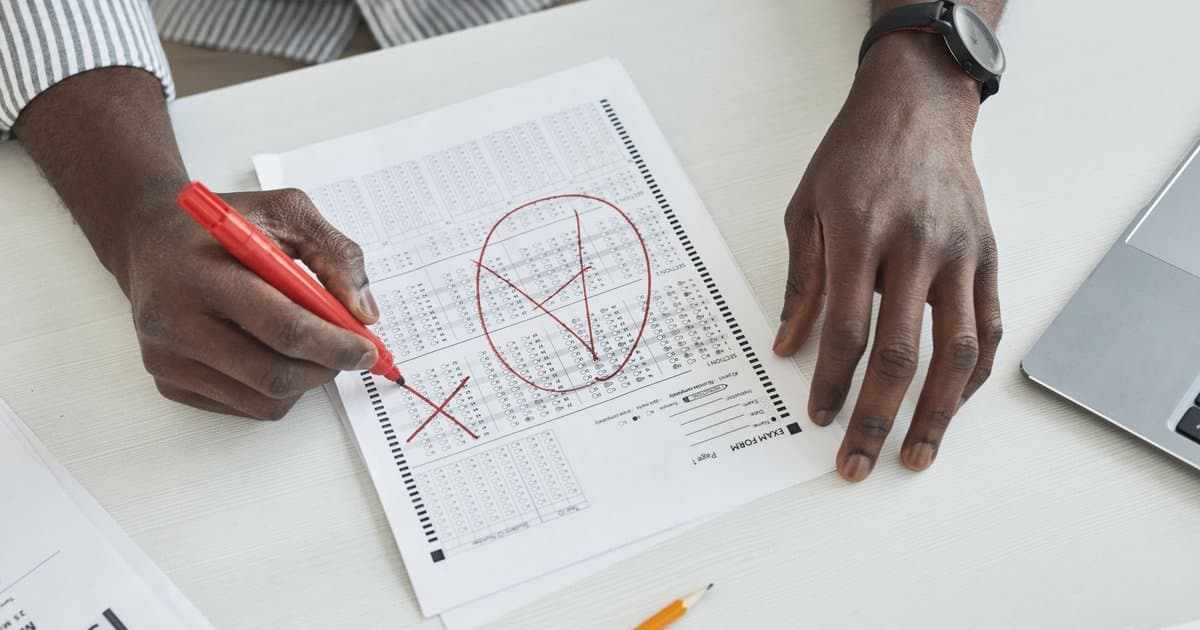
Here is the claim that changes how you should study. If you learned something once and forgot it, you did not truly store it in the first place. A single pass writes a faint trace that the brain is designed to erase. Cramming the night before a test feels like learning, but it mostly fills short term memory that empties within days. The grade may survive to the morning. The knowledge rarely survives the week. What most people call studying is really just brief exposure that fades on schedule. The feeling of knowing is not the same as actually knowing. A fact can feel familiar the day after a cram session and still be gone by the weekend. That false sense of mastery is what trips up so many students.
Ebbinghaus also found the way out, hidden in his own data. When he relearned a list, the second round took less effort, and the memory lasted longer. Each time he revisited the material, the forgetting curve grew flatter. Spreading study across several days beats piling it into one long session, even when the total time is the same. This is called the spacing effect, and it is one of the most reliable findings in all of learning research. The timing of your practice matters more than the length of it. Same hours, far better results.
The reason spacing works is almost the opposite of what feels efficient. Letting a little forgetting happen before you review makes the review more powerful. Reaching for a fact you have partly lost forces the brain to rebuild the path, and that effort strengthens it. Reviewing something you still remember perfectly does little, because there is no struggle to fuel the memory. So the mild discomfort of half forgetting is not a setback. It is the exact moment when durable learning is made. Easy review feels good and teaches almost nothing. The harder path is the one that lasts. Comfort and real learning rarely point in the same direction.
This turns into simple, concrete habits. Instead of rereading notes, quiz yourself and let the effort of recall do the work. Space those quizzes out over days and weeks rather than bunching them together. Flashcard systems that show a card right as you are about to forget it are built on this exact science. A short review after one day, another after a week, and one more after a month can move a fact from fragile to lasting. The pattern beats marathon study sessions almost every time. You spend less total effort and keep far more. Teachers who build spaced review into a course tend to see the same gain in their students. The method costs nothing but a calendar and a little patience. Most people simply never learned that timing was the real lever all along.
Forgetting is not the enemy of learning. It is a signal, telling you which memories need another pass to survive. The lesson you lost was never lost through weakness, it simply never got the second and third visits that lasting memory requires. A researcher testing nonsense syllables on himself well over a century ago handed us the fix. Study in spaced passes, quiz instead of reread, and let a little forgetting sharpen the next review. The goal was never to avoid forgetting. The goal is to store what matters before the curve takes it.