Walk into any lecture hall and you will see a sea of open laptops. Typing feels faster, neater, and easier to search later, so it seems like the smart choice. Yet a well-known line of research points the other way. Students who write notes by hand tend to understand the material better than those who type it. The tool that looks slower and messier is often the one that teaches you more. This is not about nostalgia for pen and paper. It is about what your brain does while your hand moves. The habit that beats your laptop is the plain one you were taught as a kid.
The study people cite most came out of two universities in 2014. Researchers gave students talks to learn and split them into typists and handwriters. Both groups took notes, then answered questions about facts and about deeper ideas. On simple facts the two groups looked about the same. On the questions that asked students to explain and connect ideas, the handwriters pulled ahead. The paper carried a memorable title about the pen beating the keyboard. It turned a hunch that teachers had for years into something you could measure. The gap was not about how much people wrote, but about how they wrote it.
The reason comes down to speed, which sounds backward at first. A fast typist can nearly keep up with a speaker word for word. That sounds like an edge, but it quietly becomes the problem. When you can catch every word, you stop choosing which words matter. You slip into copying, letting the talk flow through your fingers without touching your mind. The notes fill up, yet very little of the meaning sticks to you. Your hands are busy while your brain sits on the sidelines. Speed lets you record a lecture without ever really hearing it.
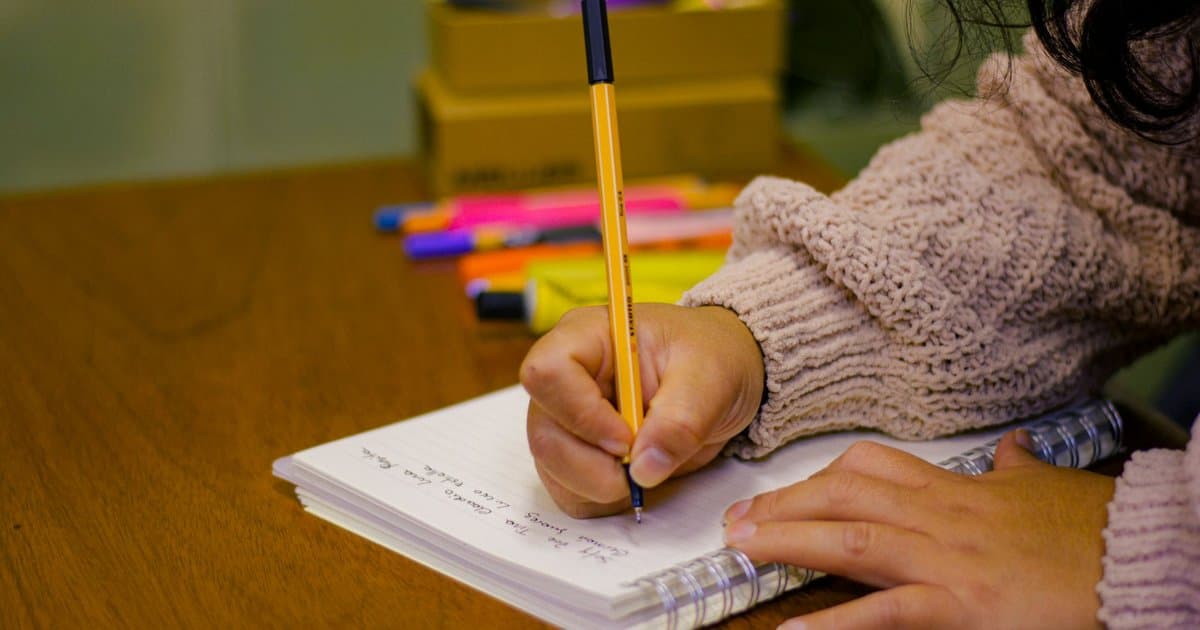
Handwriting is slower, and that limit turns out to be the gift. You cannot write fast enough to catch every word, so your brain has to choose. It sorts the important from the filler and shrinks big ideas into short phrases. To do that, you must understand the point well enough to say it your own way. That act of trimming and rewording is where real learning happens. You are not storing the lecture, you are digesting it as it goes. The messy page in front of you is proof that your mind did the work. Slower hands force a sharper brain, and the notes become truly yours.
There is a second problem with laptops that has nothing to do with typing speed. An open laptop is a door to everything else you could be doing. A message pings, a tab calls, and suddenly you are half in the lecture and half online. Studies have found that students on laptops drift to browsing and lose track of the talk. The cost is not yours alone, because screens distract the people seated behind you too. A glowing feed two rows up pulls eyes away from the front of the room. Paper does not blink, buzz, or open a new tab. Its dullness is exactly what keeps you present in the room.
The physical act of writing also seems to help memory take hold. Forming each letter by hand is a small, deliberate motion your brain has to guide. That effort ties the idea to the movement and helps carve it into memory. Typing, by contrast, is the same light tap for every letter you press. The uniform motion gives your brain little to grab onto later. Writing by hand also lets you draw arrows, circle points, and sketch a quick diagram. Those marks map the shape of an idea in a way neat text rarely does. The page becomes a picture of your thinking, not just a wall of words.
None of this means a laptop can never work for notes. Sometimes you need the speed, the search, or the help that a screen provides. The real lesson is about how you process, not which device you hold. If you type, do not copy the speaker word for word like a court reporter. Force yourself to pause, summarize, and put ideas into your own language instead. Close the extra tabs and silence the alerts so the screen holds only your notes. Handwriting simply makes these good habits easier, because it forces them on you. Whichever tool you pick, the work of thinking is still the part that counts.
So the next time you sit down to learn, think about your default. Reaching for the laptop out of habit may be costing you more than you know. Try a notebook for a week and notice how much more of the lecture stays with you. Write less, but write it in your own words, and let your hand slow your mind down. Draw the connections, mark the big ideas, and make the page yours. The goal was never pretty notes you can search in a hurry. The goal is understanding that lasts past the test and into real life. A slower pen, it turns out, can carry you further than a fast keyboard.