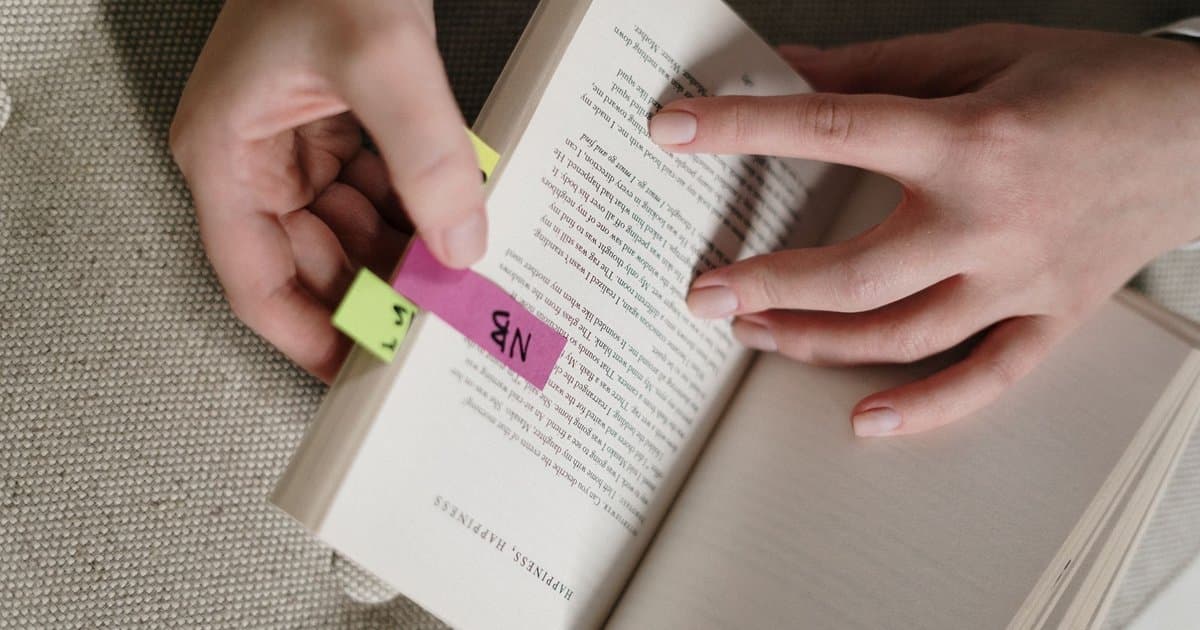
Most people study the same way they were taught as kids. They read the chapter, then read it again. They run a highlighter over the important lines. It feels like work, and it feels like learning, because the words get more familiar each time through. That feeling is exactly the trap. Familiar is not the same as known, and decades of research show that rereading is one of the weakest ways to make something stick.
The stronger method has a plain name. It is called retrieval practice, and it means pulling the answer out of your own head instead of reading it off the page. Close the book and try to write down what you remember. Quiz yourself. Say the idea out loud without looking at your notes. Every time you force your brain to fetch a fact, the memory of that fact gets a little stronger. Researchers have shown this so many times that they gave it a name, the testing effect.
One well known study makes the point clearly. Students read a passage, then split into groups. One group read it over and over. The other group read it once, then practiced recalling it from memory. Right after, the rereaders felt more confident, and they thought they had learned more. But a week later, when it counted, the recall group remembered far more of the material. The group that felt worse while studying actually did better on the real test.
The reason comes down to effort. Rereading is smooth and easy, so your brain never has to strain. Retrieval is harder, and that little bit of struggle is the whole point. When recall feels difficult but you still manage it, the memory gets reinforced for the long haul. Scientists call this a desirable difficulty, because the difficulty is the thing doing the work. Easy studying builds easy confidence and weak memory. Hard studying builds real memory that lasts.
There is a second habit that pairs with retrieval, and it is called spacing. Instead of cramming everything into one long night, you spread your practice across several shorter sessions. Study a little today, a little in two days, a little next week. Each time you come back, you have partly forgotten, so pulling the fact back takes effort, which is good. Cramming can get you through a test tomorrow, but the material fades fast after. Spaced practice costs you nothing extra and keeps the knowledge around for months.
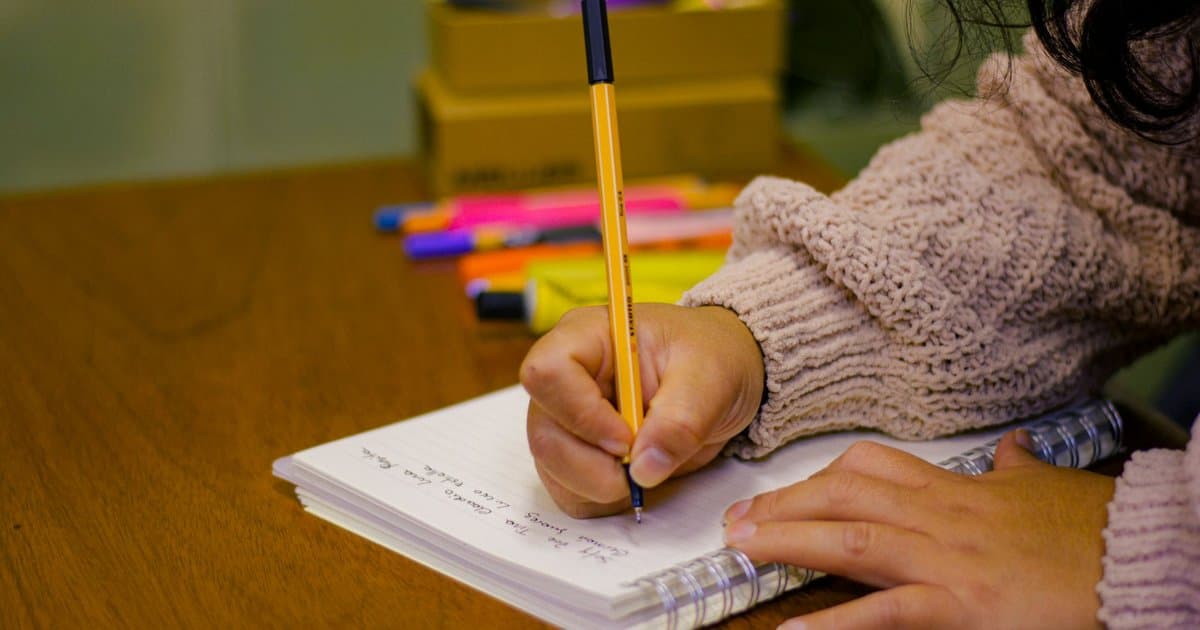
Putting this to work is simple. After you read a section, shut the book and write down everything you can recall. Make flash cards and answer them before you flip to the back. Turn chapter headings into questions and try to answer them from memory. Explain the topic to a friend, or to an empty room, without notes in front of you. When you get something wrong, that is useful, because it shows you exactly where to look next. The goal is to practice remembering, not just to practice reading.
This matters beyond your own desk. Parents can quiz kids at the dinner table instead of telling them to reread the book. Teachers can give short, low stakes quizzes that carry little grade weight but build strong memory. A quiz does not have to be a scary event. Used gently and often, it is one of the best learning tools we have. The word test scares people, but the act of testing yourself is where learning gets locked in. Framing it that way changes how students feel about it.
So if you take one idea from this, make it the shift from reading to recalling. The next time you sit down to learn something, spend less time with your eyes on the page and more time with the page closed. Let it feel a little hard. That discomfort is the sign the method is working. You will feel less sure in the moment and remember far more later on. It is a strange trade, but it is one the research keeps proving true. Study to remember, not just to review.