In 1984 an education researcher named Benjamin Bloom published a short paper with a bold finding. Students who were taught one-on-one, using a method called mastery learning, scored about two standard deviations higher than students taught in a normal classroom. In plain terms, the average tutored student outperformed roughly ninety-eight percent of students in the standard group. That is a huge jump for the same children learning the same material. The gap did not come from smarter kids or better books. It came from the way the teaching was delivered. Bloom called this the two sigma problem, and the puzzle he posed still shapes how people think about learning today.
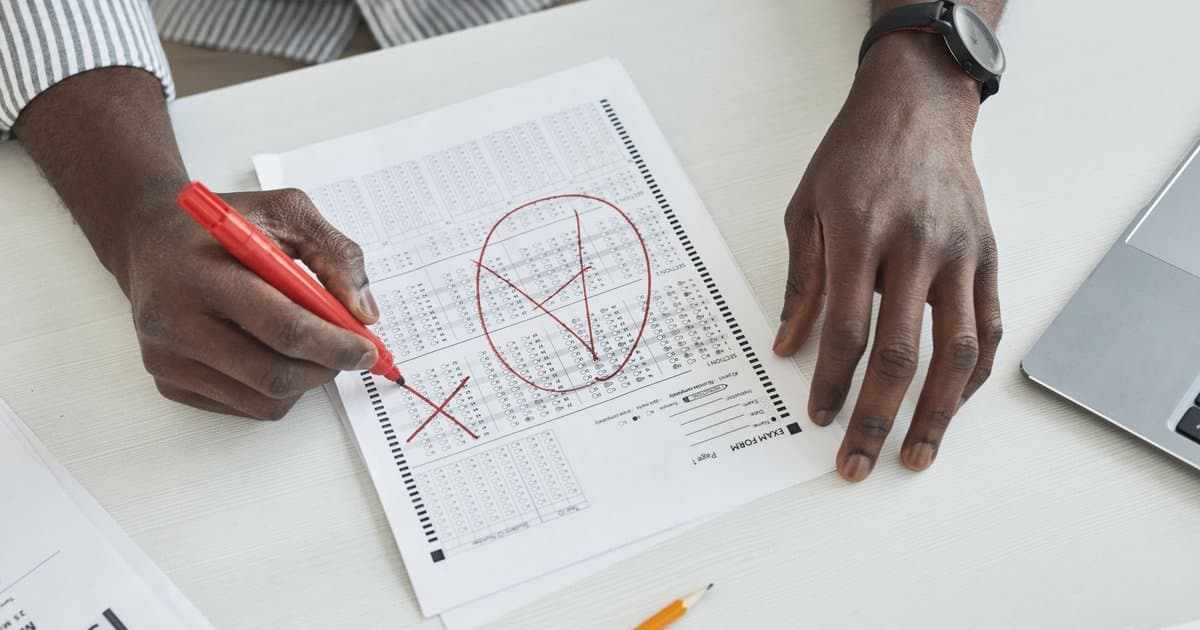
It helps to unpack what mastery learning actually means, because it is half of the result. In a normal class, the teacher covers a unit, gives one test, and moves on whether or not each student got it. Mastery learning does the opposite. A student keeps working on a topic, with feedback and second chances, until they truly understand it before moving forward. Weak spots get caught and fixed instead of piling up. When you pair that patient approach with a tutor who watches one learner closely, the two forces stack together. That pairing is what produced Bloom's striking numbers.
Why does one-on-one attention work so well. A tutor can move at the exact speed of the learner, slowing down on hard parts and skipping ahead when something clicks. Questions get answered the second they come up, not three days later on a graded sheet. A good tutor spots a wrong idea early and clears it before it hardens into a habit. The student cannot hide in the back row or coast through a lesson they do not follow. Every minute of the session is aimed at one person's gaps. That level of fit is almost impossible to match in a room of thirty kids.
It is fair to be honest about the limits of the finding. The exact two sigma jump came from a small set of studies, and later research has struggled to hit that same number at large scale. Many careful reviews land on a smaller boost, though still a real and useful one. Tutoring reliably beats whole class teaching, even when the size of the win varies by subject and setting. The direction of the result has held up for forty years. So treat the top two percent figure as the ceiling from one strong program, not a promise for every case. The core lesson stands either way.
The good news is that you do not need a full-time private tutor to borrow the parts that matter. The engine behind the result is feedback and pacing, and both can be built into ordinary study. A learner can check their own work often, in small low-stakes ways, instead of waiting for one big exam. When a mistake shows up, the fix is to stop and repair the gap before pushing on. Short bursts of one-on-one time, even fifteen minutes with a parent or a classmate, can target the exact thing a student is stuck on. Small doses of focused help go a long way.
Parents can put this to work without turning the kitchen into a classroom. Ask your child to explain a concept back to you in their own words, since teaching it out loud reveals what they do and do not grasp. When they stumble, you have found the precise spot that needs another pass. Keep the sessions short and frequent rather than long and rare. Celebrate the repair of a mistake, not just the right answer, so the child learns that fixing gaps is the whole point. This mirrors what a tutor does, at a scale any family can manage.
Teachers work under real limits, but they can still bend a room toward these ideas. Quick checks for understanding, like a thirty second question everyone answers, tell a teacher who is lost before the unit ends. Small group stations let a few students get near one-on-one help while others practice. Letting a student redo work after feedback pushes the class closer to mastery than a single graded test does. None of this requires new money or new tools. It mostly requires catching gaps early and giving second chances, which is the heart of what Bloom measured.
The larger takeaway is not that classrooms are broken. It is that the two things a tutor provides, close feedback and a pace that fits the learner, are the real drivers of deep learning. Any student, parent, or teacher can chase more of both. Check understanding often, repair mistakes before moving on, and steal small windows of one-on-one time wherever they exist. You will not always land in the top two percent, and that was never the point. The point is that how we learn matters as much as how hard we try, and that lever is within reach for anyone willing to pull it.