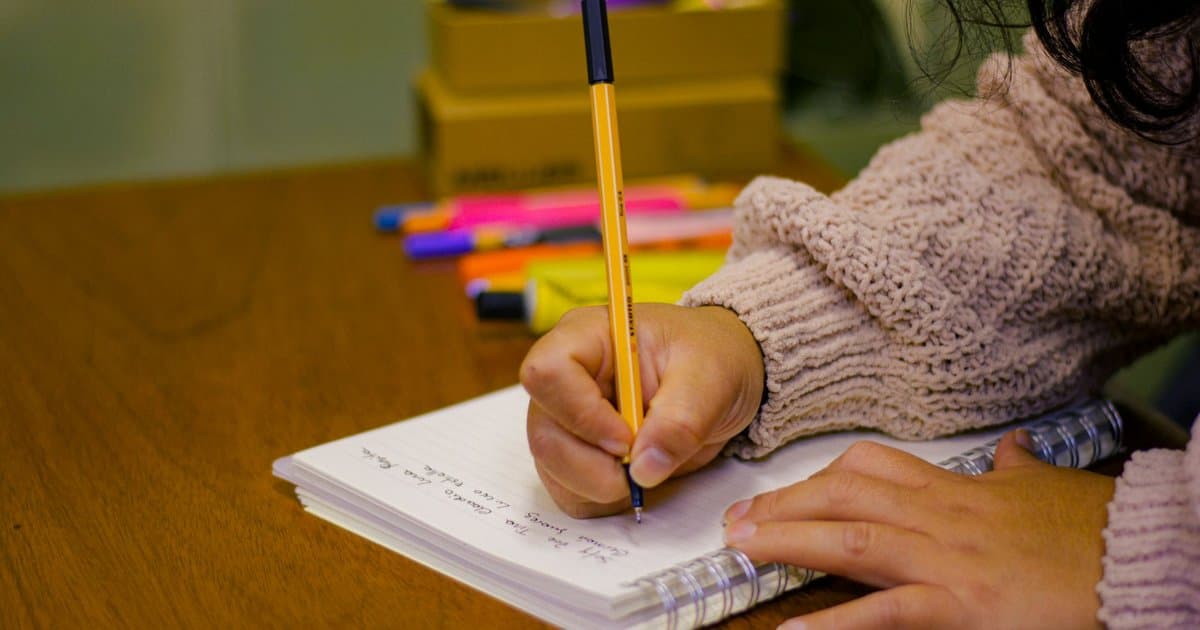
A child who is reading below grade level at the end of fourth grade has a four times higher chance of dropping out of high school than a child reading on grade level. The number comes from the Annie E. Casey Foundation's long-running tracking study, which followed nearly 4,000 children from kindergarten through age twenty-four. The implication is straightforward. The gap that appears in elementary school does not close on its own. It widens. By high school graduation, students who read below grade level in fourth grade earn diplomas at rates roughly forty percent lower than their peers. Over a working career, the lost earnings amount to roughly $400,000 in present-value terms.
The reason fourth grade matters more than other years is structural. From kindergarten through third grade, children are taught how to read. Phonics, sight words, decoding, fluency. Starting in fourth grade, the model shifts. Children are expected to read in order to learn. Math word problems require reading comprehension. Science textbooks assume sentence-level fluency. Social studies expects the student to extract main ideas from paragraphs. A fourth-grader who is still struggling with decoding cannot keep up with the cognitive load of content-based learning. The gap compounds month by month.
The data on Tennessee specifically tells the same story with more urgency. The Tennessee Department of Education's most recent reading assessments show that 64 percent of Black students and 58 percent of Hispanic students are reading below grade level by fourth grade. The figure for white students is 41 percent. Nashville Metro Schools have been the focus of intervention efforts for a decade, but reading scores have moved only a few percentage points despite significant investment. The schools doing the best in the city are the ones with the most structured early literacy programs, the most experienced reading specialists, and the most parental engagement at home.
The intervention research is clear about what works. Twenty minutes of reading at home, with a parent or caregiver, every day from kindergarten through third grade is the single highest-impact factor outside of school. Children who read or are read to for twenty minutes per night by fourth grade are exposed to roughly 1.8 million words per year more than children who read for five minutes per night. The vocabulary gap that opens up by age nine is one of the strongest predictors of long-term academic outcomes. Schools cannot close the gap alone. Home reading is the difference maker.
The choice of what to read also matters. Decodable books that match the child's phonics level produce faster fluency gains than picture books with predictable sentence patterns. Phonics-aligned readers from publishers like Decodable Readers Australia or Wilson Reading cost between $40 and $120 for a full set. Public libraries in Davidson County have started carrying them. Free apps like Khan Academy Kids, Lalilo, and Reading Eggs handle the early phonics phase competently. The trap is using only the apps. Apps without a person reading alongside the child miss the conversation, modeling, and corrective feedback that drive real fluency.
The cost of intervention after fourth grade rises sharply. A child who is two grade levels behind in reading at the end of fifth grade typically needs structured tutoring two to three times per week for at least a year to catch up. Reading specialists in Nashville charge between $60 and $150 per hour. The total cost of catch-up tutoring runs $6,000 to $18,000 over a year, and that is for one grade level recovery. Children who are three or four grade levels behind by middle school rarely catch up at all without intensive intervention, which is uncommon in public school settings. Parents who wait until report cards show failing grades are usually starting too late.
The signal that something is wrong shows up earlier than most parents realize. A child who avoids reading aloud at home, who substitutes wrong words for unfamiliar ones, who skips lines or pages, or who relies on memorization rather than decoding is signaling a problem. End-of-year report cards from second and third grade often hint at the issue but rarely state it plainly. Parents who ask the teacher directly, in writing, what the child's current reading level is and what the grade-level target is will usually get an honest answer. Most teachers are willing to share specifics when the parent demonstrates serious interest.
For families with kids between ages five and ten, the best move is daily reading at home, this week, twenty minutes, every night. The library is free. Library cards in Davidson, Williamson, and Rutherford counties are open to any resident. School reading specialists are available to families who ask, though wait lists are common. The cost of action now is small. The cost of waiting is the gap between a college-bound teen and one struggling to graduate.