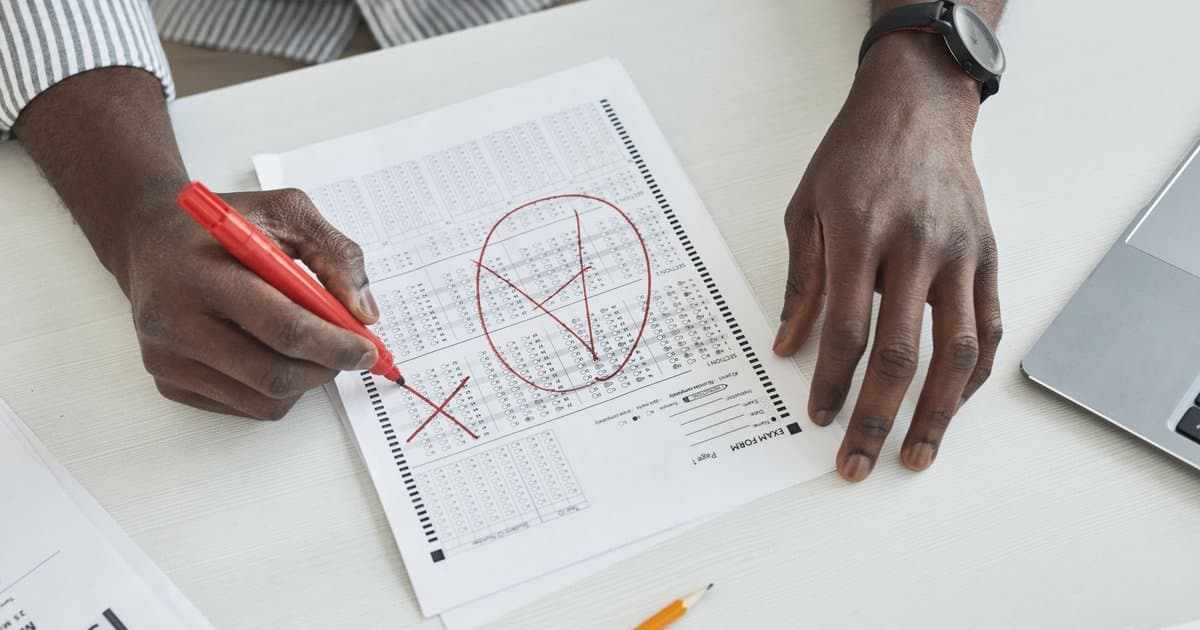
Most of us learned to study the same wrong way. The night before a test, we crammed for hours, felt like we knew the material, took the exam, and forgot almost all of it within a week. We blamed ourselves for poor memory or weak discipline, never suspecting that the method itself was the problem. The science of how memory works has been clear for a long time, and it points to a very different approach than the one schools quietly teach. A technique called spaced repetition sits at the center of it, and understanding why it works reveals something deep about how human learning actually happens.
It starts with a discovery from the late eighteen hundreds. A researcher named Hermann Ebbinghaus mapped what he called the forgetting curve, testing how quickly he lost newly learned information over time. The curve was steep and unforgiving, with most of what he learned slipping away within days unless he did something to interrupt the decline. That something turned out to be review, but not just any review. Revisiting the material at the right moments, just as it began to fade, flattened the curve and locked the information in for far longer. The brain treats information it sees once as disposable and information it sees repeatedly over time as worth keeping.
This is the core insight that cramming gets exactly backward. When you study the same thing five times in one night, your brain registers it as a single event and files it as temporary. When you study it five times across two weeks, your brain reads the spacing as a signal that this knowledge keeps coming up and must matter, so it builds a sturdier memory. The spacing effect, as researchers call it, means the same total study time produces dramatically different results depending on how it is distributed. Spread your effort out and you remember more for less work. Pile it into one session and most of it evaporates by the weekend.
There is a second piece that makes spaced repetition even more powerful, and it feels counterintuitive. The most effective way to review is not to reread your notes but to test yourself, forcing your brain to retrieve the answer before you check it. This is the testing effect, and the struggle to recall is exactly what strengthens the memory. Rereading feels productive because the material looks familiar, but familiarity is not the same as knowing, and it fools students into a false sense of mastery. Pulling the answer out of your own head, even when it is hard and even when you get it wrong, builds a far stronger trace than passively looking at the page. The effort is the point, not a sign you are failing.
Putting the two together is simple, and the tools are everywhere. The basic method is to review material at expanding intervals, after a day, then a few days, then a week, then a couple of weeks, testing yourself each time rather than rereading. Flashcard apps automate the timing by showing you the cards you find hard more often and the easy ones less often, which is the whole idea in software form. Plain paper flashcards work nearly as well for anyone who would rather stay off a screen. The discipline is small but consistent, a short session most days instead of one frantic marathon. The hardest part is trusting a method that feels slower in the moment but proves itself over weeks.
This is not only for students cramming for exams either. Anyone learning a language, a new skill at work, or a body of professional knowledge runs into the same forgetting curve. The vocabulary you study once fades, the procedure you read about a single time slips away, the name you hear at a meeting is gone by the next morning. Spaced repetition fixes all of it the same way, by scheduling short, active reviews that catch the knowledge just before it disappears. Professionals who use it can hold large amounts of detailed information without the panic of constant relearning. The method scales from a child's spelling list to a doctor's medical training, because the brain underneath works the same in both. Once you see the pattern, you start applying it everywhere.
What this really reveals goes beyond test scores. It says that learning is not about how hard you push in a single sitting but about how patiently you return. The brain rewards reminders spread across time and rewards the effort of recall, which means the slow and steady student often beats the brilliant crammer in the long run. That is good news for anyone who ever felt they had a bad memory, because memory is far more about method than talent. Once you stop fighting how the brain actually works and start studying with it, knowledge that used to vanish in a week begins to last for years. The same lesson applies long after the last exam, to any skill or fact worth keeping.