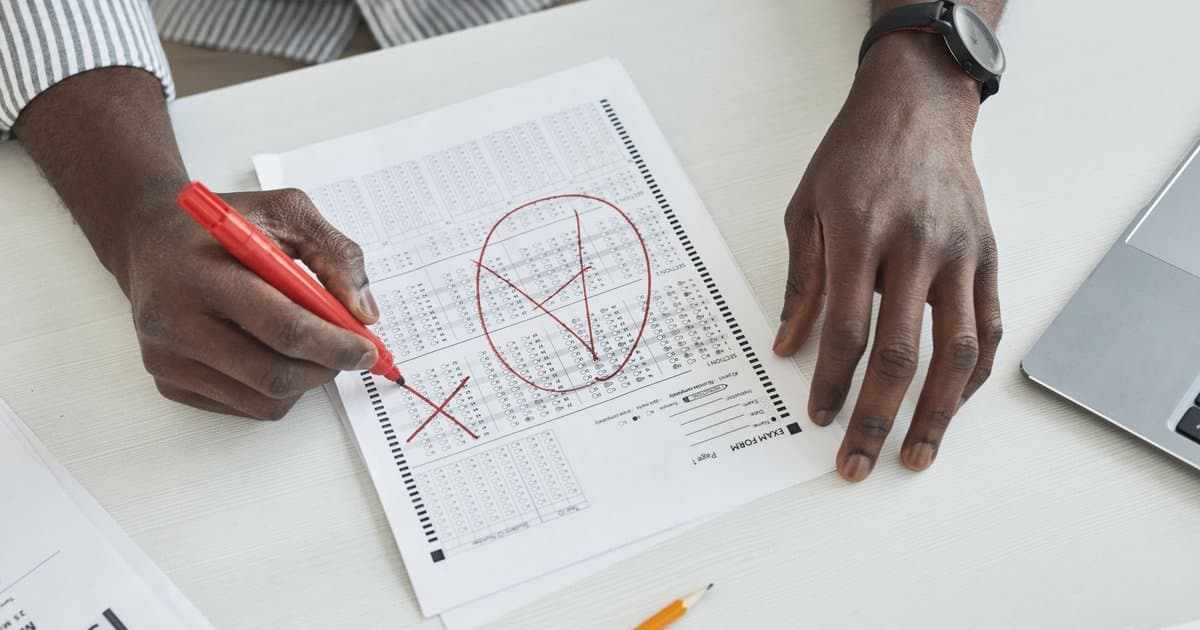
The night before a big test feels like the most important study window of the whole term, so students pour everything into it. They stay up late, push through the fog with caffeine, and tell themselves the extra hours will pay off in the morning. The problem is that this trade rarely works the way it feels like it should. When you give up sleep to study, you are spending the exact resource your brain needs to lock in what you just learned. The studying might add a little, but the lost sleep quietly takes more away. By test time you can end up worse off than if you had closed the book and gone to bed.
To see why, you have to understand what sleep actually does for memory. While you sleep, your brain replays and strengthens the connections you formed during the day, moving fresh information into more stable storage. This process is called consolidation, and it is not optional polish on top of learning. It is a core part of how a fact you read once becomes a fact you can recall under pressure. Cut your sleep in half and you cut this overnight filing process short, leaving much of the day's studying loosely held. You can review a chapter five times and still lose access to it if you never let your brain file it away.
Sleep loss does more than weaken memory, though, and the second cost shows up in the test room itself. A tired brain struggles with attention, working memory, and the kind of flexible thinking that hard questions demand. You read a question three times and the words slide past without sticking, because the part of your brain that holds information in the moment is running low. Simple mistakes multiply, you misread instructions, and problems you could normally solve feel foreign. Speed drops too, so you run out of time on sections you knew well. The score you walk away with reflects a foggy version of yourself, not the studying you actually did.
There is also a hidden trap in how cramming feels while you do it. Rereading notes late at night creates a strong sense of familiarity, and your brain mistakes that familiarity for real knowledge. You close the book convinced you have it, then freeze the next day when the page is not in front of you to jog your memory. Recognizing material is easy, but a test asks you to produce it from nothing, and those are different skills. The all-nighter inflates your confidence at the exact moment it is hollowing out your recall. That gap between feeling ready and being ready is where a lot of points disappear.
The better play is boring, which is probably why so few people follow it. Spread your studying across several shorter sessions in the days before the test, and use active recall by quizzing yourself instead of rereading. Then, on the final night, review lightly and protect your sleep like it is part of the exam, because it is. Seven or eight hours of rest does more for your performance than three extra hours of tired studying ever could. If you are choosing between one more pass through the material and a full night of sleep, the sleep usually wins. The students who treat rest as a study tool, not a luxury, tend to walk in sharper and walk out with the score their work earned.