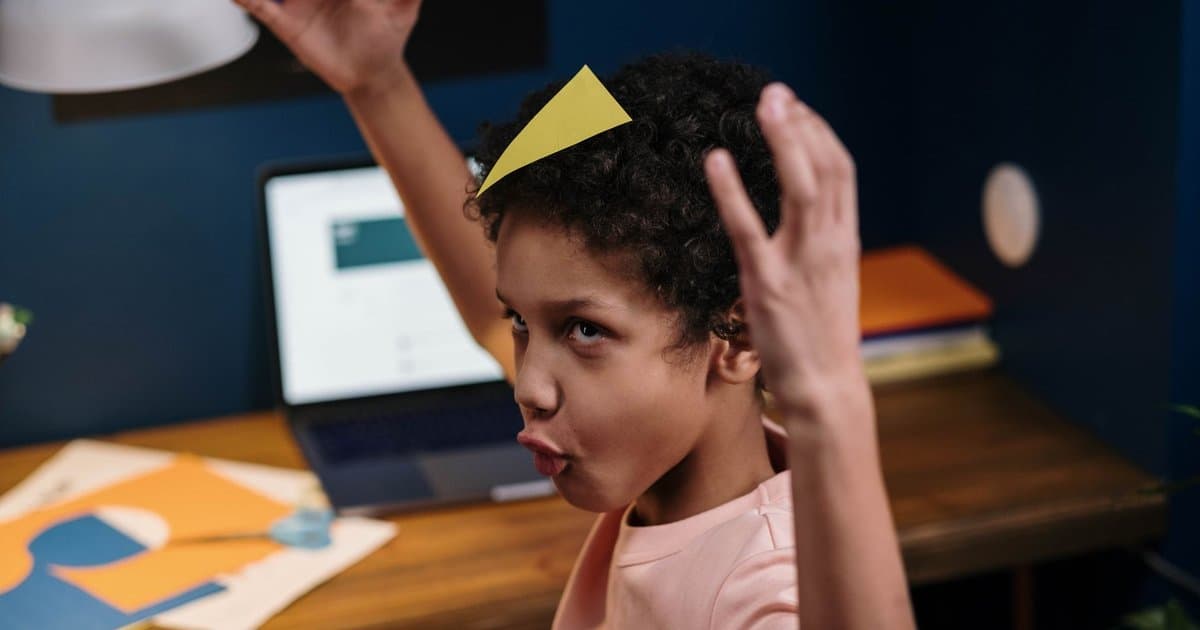
Over the last twenty years, recess has been slowly cut in American elementary schools. Some districts trimmed it from thirty minutes to fifteen. Others moved it before lunch to discourage food fights and then quietly let it disappear. A few large urban systems eliminated it for grades three through five entirely, citing the need for more academic minutes ahead of standardized testing. The change was sold to parents as a small adjustment to the day. The research has been clear for over a decade that it was nothing of the kind.
The American Academy of Pediatrics issued a strong statement on recess in 2013 and reaffirmed it through follow up papers in 2019 and 2022. Their position is direct. Recess is not a break from learning. It is a structural part of how children learn. The brain consolidates new information during periods of low cognitive demand and physical movement. When recess is removed, the morning math lesson and the afternoon reading block do not get more effective. They get less effective, because the consolidation window between them has been eliminated. Multiple controlled studies have shown that attention scores in the period right after recess outperform attention scores in matched periods with no recess.
The behavioral cost shows up next. Teachers in schools that have cut recess report increases in disruptive behavior, fidgeting, and conflict among students. Stanford researchers tracking three hundred elementary classrooms across six districts found that classes with at least twenty minutes of unstructured outdoor play had thirty-one percent fewer behavioral referrals during the day. The mechanism is not complicated. Children, especially boys between six and ten, need physical movement to regulate their nervous systems. Without it they self-regulate badly, and the regulation problem looks like discipline problems to the adults in the room. The discipline response then makes the underlying issue worse, not better.
The physical health cost is the most visible. Pediatric obesity rates have risen sharply over the same window that recess was cut. Causation is hard to prove cleanly because the food environment and screen time have also changed. But schools that have restored recess and added daily physical education have measured statistically significant improvements in body mass index, cardiovascular markers, and even bone density among elementary students. The data from Texas pilot programs in the late 2010s, where some districts ran sixty minutes of daily recess at the elementary level, showed meaningful gains across all of those markers within three school years. Schools that resisted the cuts in the first place have published similar internal data, though most of it has not made it into peer reviewed journals.
The social development piece often gets overlooked. Recess is the only part of the school day where children negotiate without adult scripting. They figure out who gets to be on which team. They argue, resolve, regroup, and try again. They learn to read social cues from peers who are not their assigned partners on a worksheet. Research from the University of Illinois has tracked these skills into middle school and found that children with more unstructured peer time in elementary school show stronger conflict resolution and emotional self-regulation later. Take away the recess and you take away the practice field for those skills, and the gaps show up four to six years later in ways that are much harder to remediate.
Parents who push back on recess cuts are often told the school cannot afford the time. The numbers do not actually support that argument. Districts that restored recess after cutting it did not see test score declines. Some saw small improvements. The reason is the consolidation effect mentioned earlier, plus the reduction in behavioral incidents that were eating into instruction anyway. The teacher who stops her lesson eight times to redirect a fidgeting class is losing more minutes than the recess would have cost. Recess pays for itself in attention and behavior within the same day.
If you have a child in a district where recess has been cut, this is worth a conversation at the next school board meeting. Ask for the data on behavioral referrals, attention metrics, and academic performance in the years before and after the cut. Most districts have not run the analysis. The ones that have usually find the picture is not what they expected. Children learn better when they have moved. They behave better when they have run. They get along better when they have negotiated their own games. The cheapest education intervention available in this country is twenty minutes of outdoor unstructured play, and many schools have spent twenty years pretending that is optional.