Most of us were taught to study by reading the material again, and then again, until it starts to feel familiar. It feels like it is working, because the words get easier to recognize with each pass through the page. That comfortable feeling is exactly the problem. Recognizing something on the page is not the same as being able to pull it out of your head when the page is gone. Researchers call this the fluency illusion, where the ease of reading gets mistaken for real learning. The methods that actually build lasting memory tend to feel harder in the moment, which is precisely why so many students avoid them. Here are four that consistently beat rereading, and none of them require special software or a tutor.
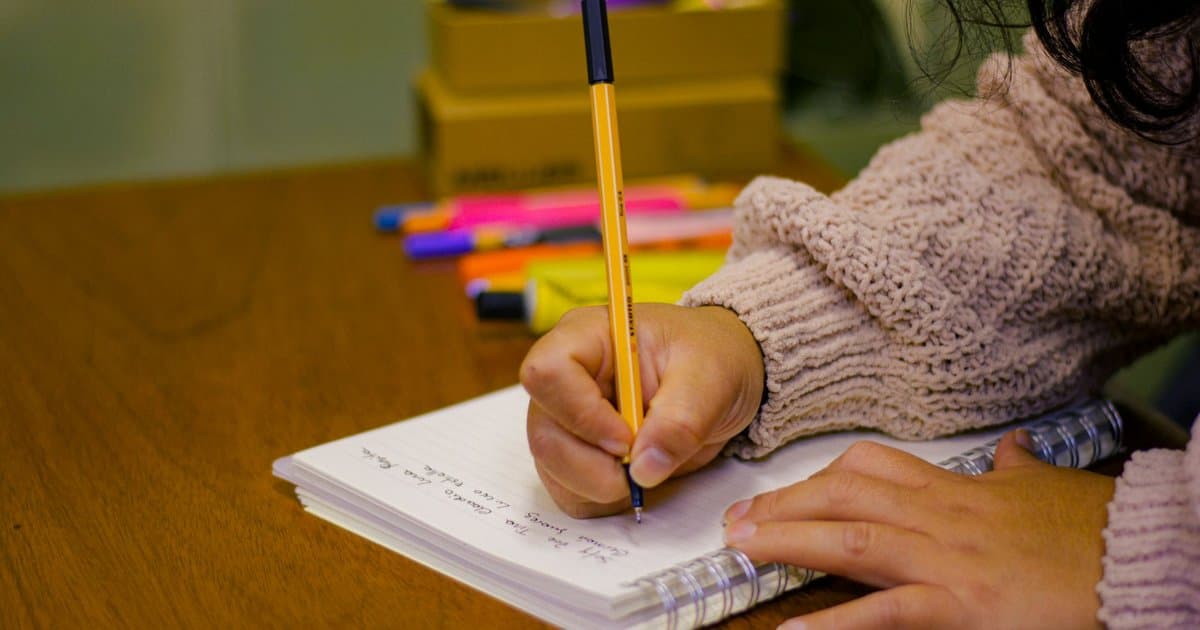
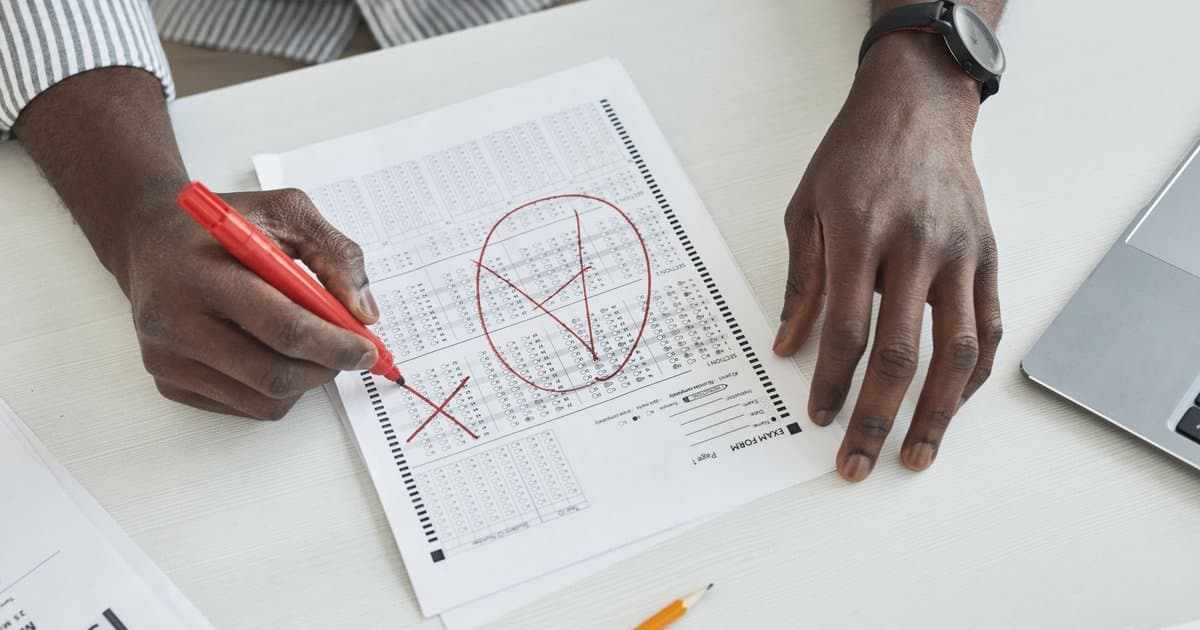
The first is retrieval practice, which simply means testing yourself instead of reviewing. Close the book and try to write down or say out loud everything you can remember about the topic. It will feel uncomfortable, especially when you hit a blank spot, and that discomfort is the entire point. Every time you pull a fact out of your own memory, you strengthen the path that leads back to it. Flashcards work this way, but so does covering your notes with your hand and reciting them from memory. The strain of trying to remember is doing the work that passive rereading never does, even though rereading feels smoother. A quick way to start is to shut the notebook after each section and write down the three most important points from memory. Then open it back up and check what you missed.
The second is spaced practice, which means spreading your studying across several days instead of packing it into one long session. Cramming can carry you through a test tomorrow morning, but most of what you crammed is gone within a week. When you come back to material after a delay, right at the point where you are starting to forget it, the memory returns stronger and holds on longer. A focused block on Monday, another on Wednesday, and one more on Saturday will beat three straight hours in a single sitting. The total time you spend can be exactly the same in both cases. It is the spacing between sessions, not the raw hours, that changes the result.
The third is interleaving, which means mixing different topics or problem types within one study session instead of doing all of one kind before moving on. If you are learning math, this looks like practicing a shuffle of problem types rather than twenty identical problems in a row. It feels messier and slower, and your practice scores may even dip while you are doing it. But when the real exam arrives, you have to figure out which method fits which question, and interleaving is the thing that trains that judgment. Blocked practice teaches you the individual steps in order. Interleaving teaches you when to reach for each one, which is what a test actually demands.
The fourth is elaboration, which means asking how and why, and tying new material to things you already understand. Instead of memorizing that something happens, force yourself to explain the reason it happens in plain language. Teach it to an imaginary student, or a real one, and notice exactly where your explanation falls apart, because that gap is what you do not truly know yet. Connect the idea to a personal example or to a subject you already grasp well. The more links a piece of information has to the rest of your knowledge, the more hooks your brain has to find it later. Facts learned alone, with no connection to anything, are the first ones to slip away.
The encouraging part is that these four methods stack together, and using them does not require more total time. A strong session might mix a couple of subjects, quiz you instead of letting you reread, push you to explain the hard parts in your own words, and then repeat the whole cycle a few days later. It will feel far less smooth than highlighting a page in three colors, and your confidence during the session may actually drop. That dip is normal, and it is not a sign you are doing something wrong. The only measure that matters is what you can recall days later, not how good the studying felt while it was happening. Trade the comfortable method for the effective one, give it a couple of weeks, and the results usually show up on their own.