There is a simple guideline that has been floating around education circles for decades, and most parents have never heard the name for it. It is called the ten-minute rule. The idea is that a child should have roughly ten minutes of homework per night for each grade level they are in. A first grader lands around ten minutes. A sixth grader lands around an hour. A high school senior tops out near two hours, and the number climbs steadily in between. It is not a strict law, but it hands families a reference point they usually lack.
The rule did not come from a random corner of the internet. It has been endorsed for years by the National Parent Teacher Association and the National Education Association, two of the largest education groups in the country. It also lines up with research led by Harris Cooper, a Duke University professor who spent decades studying homework. His work found that the link between homework and academic achievement is weak in the early grades and grows stronger through middle and high school. Even then, the benefit does not rise forever. Past a certain point, extra homework stops helping and starts working against the student.
That ceiling is the part parents most need to hear. When a young child sits down with two hours of worksheets, the research does not show a matching jump in learning. What it shows instead is rising frustration, lost sleep, and tension at the kitchen table. A tired child who resents the work is not absorbing more of it. The gains flatten out while the costs keep climbing higher. Every extra minute past the threshold tends to buy stress rather than understanding.
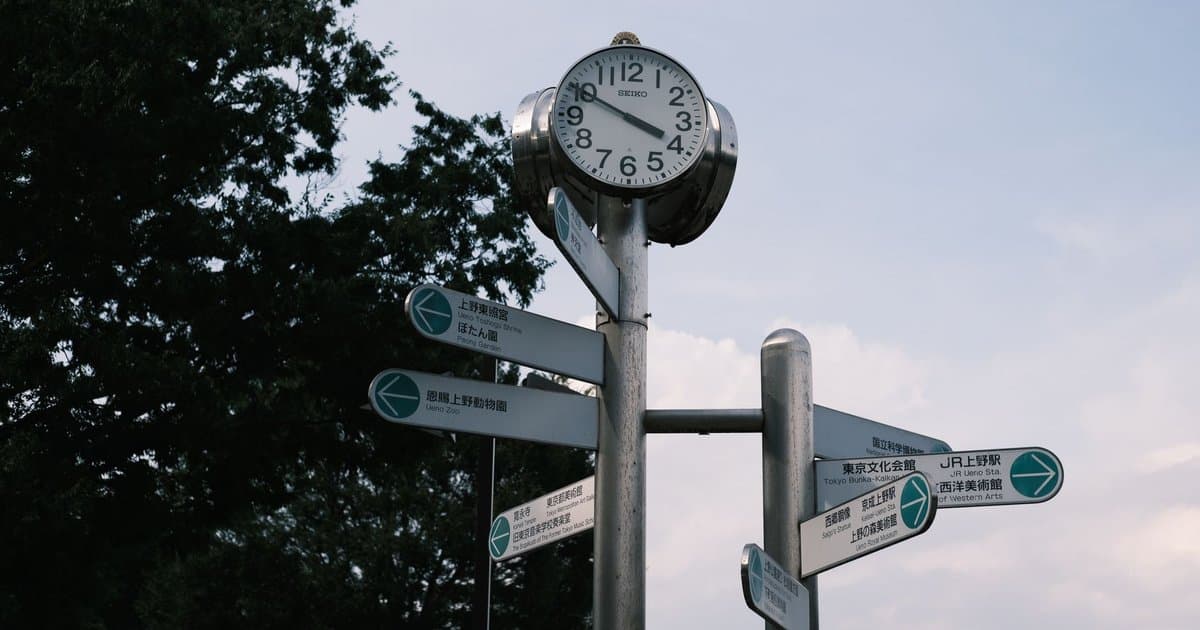
So how do you know if your child has crossed that line. Start by timing the actual work for a week instead of guessing at it. If a fourth grader is regularly spending 90 minutes on homework that was meant to take 40, something is off. It could be too much assigned work, or it could be that the child is stuck and quietly struggling with the material. Either way, the clock is telling you something before the report card ever will. Most families never measure it, so they never catch the pattern forming.
The rule is really about protecting quality, not just capping quantity. Thirty focused minutes beat ninety distracted ones almost every time. A child who reads for pleasure, works a few problems, and then stops has done more than one who grinds through busywork until bedtime. The point of homework is to reinforce learning and build independent habits, not to fill the entire evening. When the sheer volume swallows everything else, the assignment defeats its own purpose. Short and deliberate almost always beats long and scattered.
If the time keeps running long, the next step is a calm conversation with the teacher. Teachers are often surprised to learn how long an assignment actually takes at home, because they estimate it from the classroom. Bring your timed numbers rather than a vague complaint, and ask what the assignment was meant to accomplish. Most teachers will adjust the load or explain the purpose once they see real data. This is a partnership, not a confrontation, and it works best when it stays that way. The families who speak up early tend to get the smoothest year.
Homework is only one slice of a child's evening, and it should stay in proportion to the rest. Sleep, movement, family time, and unstructured play all feed learning in ways that worksheets cannot. When homework crowds those things out, the trade is a bad one even if the grades hold steady for a while. The ten-minute rule works because it keeps school in its lane and leaves room for the rest of a childhood. Use it as a compass, not a stopwatch that rules the house. If your evenings feel like a nightly battle, the number is probably trying to tell you why.