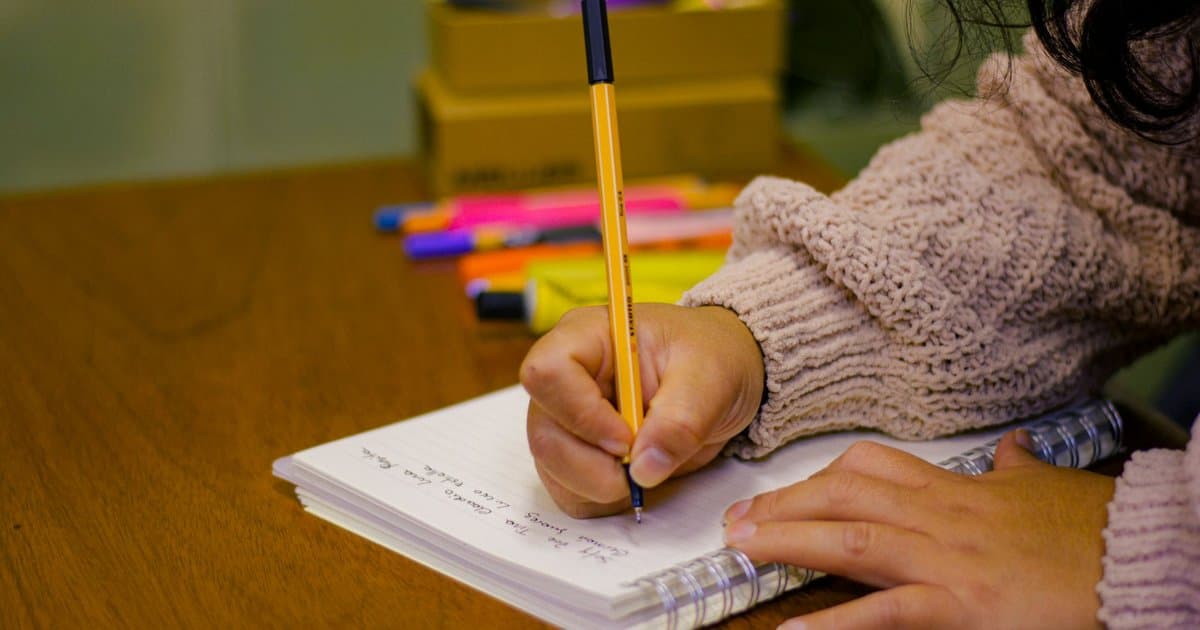
Handwriting is quietly disappearing from childhood. Many schools now hand a tablet to a five year old before that child has learned to form letters with a pencil. Cursive has been dropped from a lot of classrooms entirely, and even printing gets less time than it used to. On the surface this looks like harmless progress, since most adults type far more than they write by hand. The trouble is that learning to write by hand is not only about producing letters on a page. It is a physical process that wires the brain in ways typing simply does not replicate. When we skip it, we are not just swapping a tool, we are changing how children learn. The stakes are higher than a neat signature.
The research on this is more striking than most parents realize. Studies using brain imaging show that forming letters by hand activates regions tied to reading and memory that stay quiet when kids type. The act of drawing each letter, stroke by stroke, helps a child learn to recognize that same letter later. Children who practice handwriting tend to read sooner and spell better than those who mostly type. The reason seems to be that writing by hand is slower and more deliberate, which forces the brain to engage. A keyboard makes every letter the same easy tap, so the brain never has to work to produce the shape. That extra effort is not a flaw in the process, it is where much of the learning actually happens. Difficulty, in the right dose, is what builds the skill.
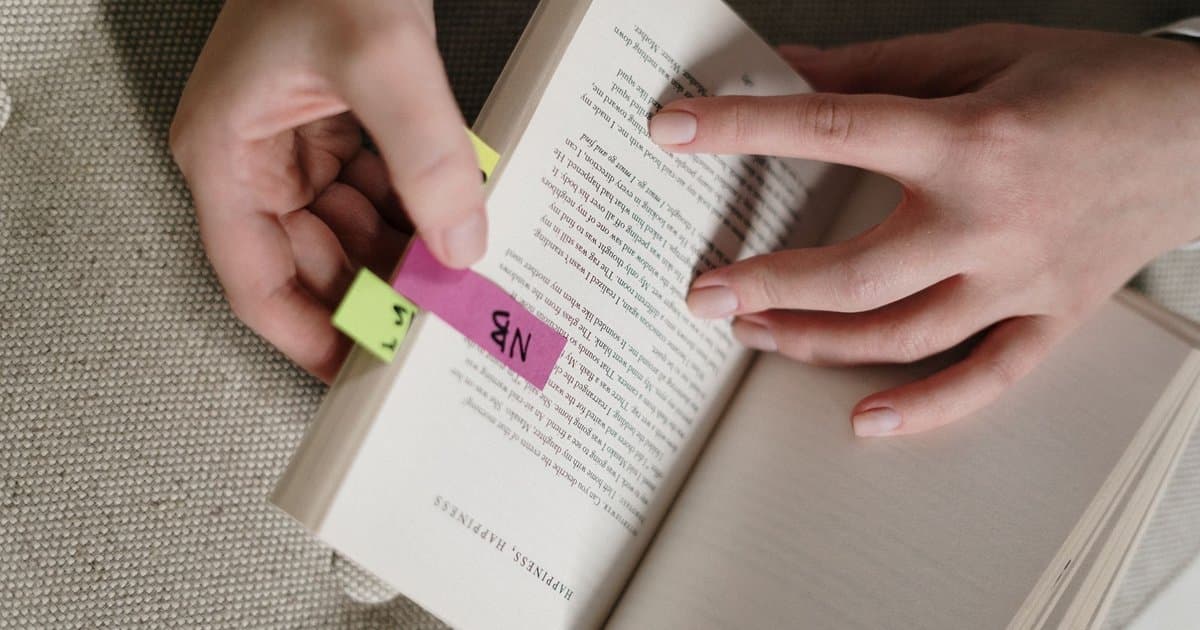
The effect does not stop when children get older. There is solid evidence that students who take notes by hand remember and understand more than those who type them. Typists tend to transcribe a lecture almost word for word, because their fingers can keep up with the speaker. Writing by hand is slower, so students are forced to summarize, choose what matters, and put ideas in their own words. That act of compressing and rephrasing is exactly what turns raw information into real understanding. The laptop note taker often ends up with a perfect transcript and a shallow grasp of the material. The handwritten note taker has messier pages but a far deeper hold on the ideas. Slower turns out to be the whole point.
There is also a thinking cost that is harder to measure but just as real. Writing by hand tends to slow the mind down enough to actually reason through a problem. When ideas can only arrive as fast as your hand can move, you have time to weigh them, cross things out, and change direction. Typing invites speed, and speed often means dumping thoughts onto a screen before they are fully formed. Many writers and thinkers still draft by hand for exactly this reason, because the friction improves the thinking. For children, that slower pace is where the habit of careful thought first takes root. Take away the pencil too early and you may take away the pause that makes reflection possible. The tool quietly shapes the mind that uses it.
None of this is an argument against technology in the classroom. Kids need to type, and screens are not going anywhere in modern school or work. The concern is about replacing handwriting entirely, rather than keeping both skills in the mix. A child who can type quickly and also write fluently by hand has more tools, not fewer. The mistake is treating handwriting as an old fashioned skill with no purpose left, when the research points the other way. There is room to teach keyboarding and still protect the ten or fifteen minutes a day that handwriting needs. Losing that small window has costs that show up years later in reading and memory. Both skills can live side by side if we simply choose to keep them.
For parents, the good news is that this is easy to influence at home. Keeping a pencil in a young child's hand does not require a program or a purchase. Grocery lists, thank you notes, journals, and simple copywork all give handwriting a reason to exist. The goal is not perfect penmanship but the steady practice of forming letters and thoughts by hand. A few minutes on most days is enough to keep the benefit alive while school leans on screens. What looks like an old skill is really a foundation for reading, memory, and clear thinking. Losing it quietly would cost children something they would never even know they missed. It is worth protecting on purpose.