Ask almost any teacher how the first weeks of a new school year go, and you will hear the same answer. They spend a big chunk of that time re-teaching material students already covered. The pattern has a name, the summer slide, and it describes the learning that leaks away over a long break. Studies have found that students can lose a meaningful share of a year's gains during the summer, with math and reading hit hardest. It is not a sign that a child is lazy or slow. It is a normal feature of how memory works when practice suddenly stops. Understanding why it happens makes it much easier to soften.
Memory is not a hard drive that stores things forever once they are saved. Skills and facts that you stop pulling up begin to fade, because the brain trims connections it decides you no longer need. During the school year, kids retrieve math facts and reading skills every single day, which keeps those pathways strong. When June arrives and that daily practice disappears, the pathways weaken from simple disuse. This is why a child who knew their multiplication tables in May can stumble on them in August. The knowledge is not gone for good, it has just gotten harder to reach. A little regular use is what keeps it close to the surface.
The slide does not hit every child the same way, and that is where it becomes a fairness issue. Kids who spend the summer surrounded by books, trips, camps, and steady conversation tend to hold onto their skills or even gain ground. Kids without those resources often lose more, not because they are less capable, but because they get less practice. Over several summers, that difference stacks up into a gap that shows in test scores and confidence. Families dealing with tight budgets or long work hours feel this pressure the most. It is one of the quieter ways that opportunity, or the lack of it, shapes a child's path. Naming it honestly is the first step to closing it.
One detail surprises a lot of parents. Math tends to slide further than reading, and the reason comes down to everyday exposure. Reading gets casual practice all summer through signs, screens, menus, and text messages, even when no one is trying. Math rarely gets used that way once the worksheets stop, so the skills sit untouched for weeks. That is why kids often come back rustier with numbers than with words. The good news is that this cuts both ways. Because math loss comes from disuse, small doses of everyday math can prevent most of it.
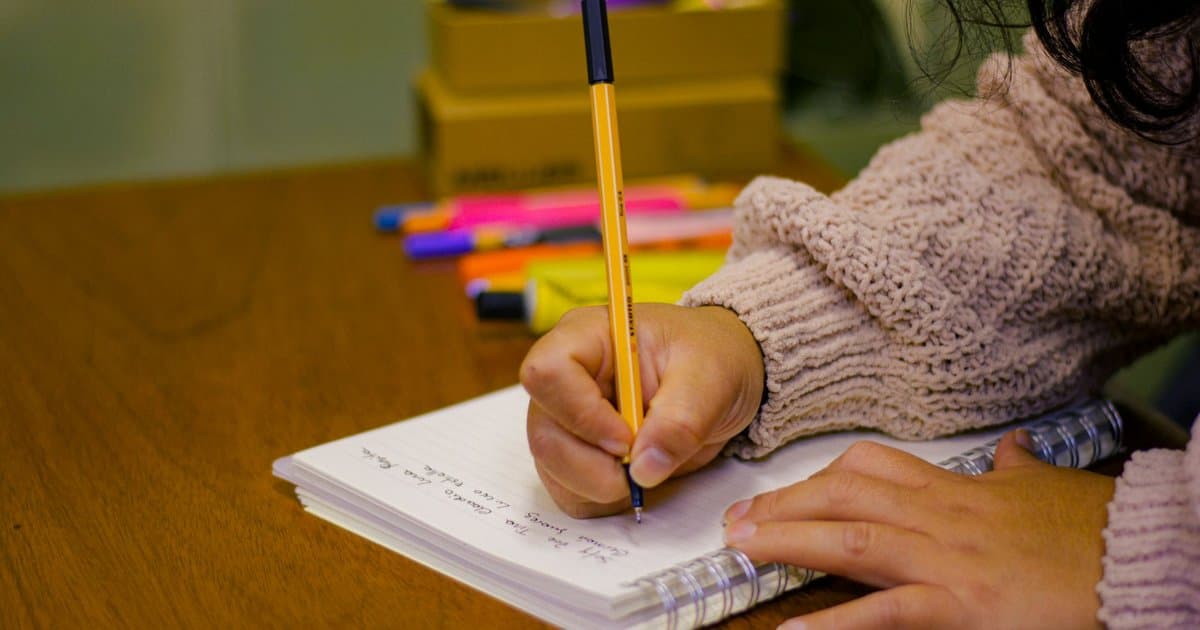
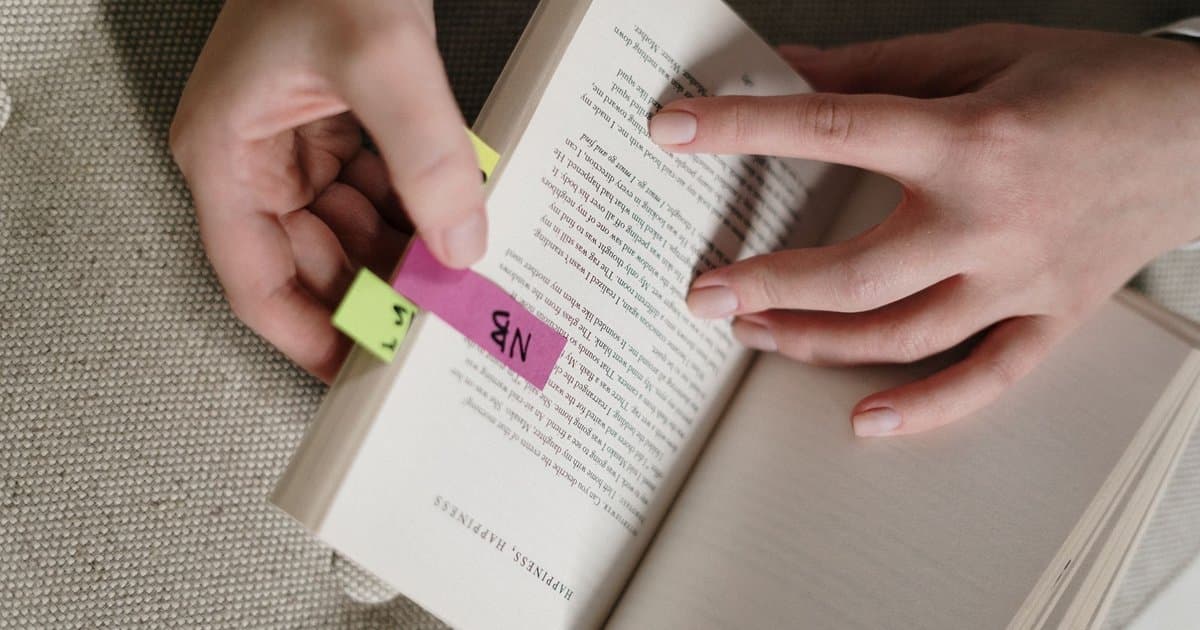
Slowing the slide does not require turning your kitchen into a classroom. Short, regular touches beat long, forced study sessions every time. Fifteen or twenty minutes of reading most days, ideally something the child actually enjoys, keeps reading fluency alive. A library card costs nothing and turns the summer into a stack of free books. For math, let kids handle real numbers by cooking, counting money, keeping score, or figuring out travel time. The goal is maintenance, not acceleration, so keep it light and low pressure. Consistency matters far more than intensity here.
You cannot freeze learning in place while school is out, and you should not try. Kids need rest, play, and unstructured time to grow in ways a worksheet never measures. The aim is simply to keep the door open so that fall does not start with a cliff. A few small, steady habits protect most of what a child worked for all year. That protects their confidence as much as their skills, since falling behind early can sour a whole grade. Summer should feel like summer. It can do that and still leave room for a book and a little everyday math.