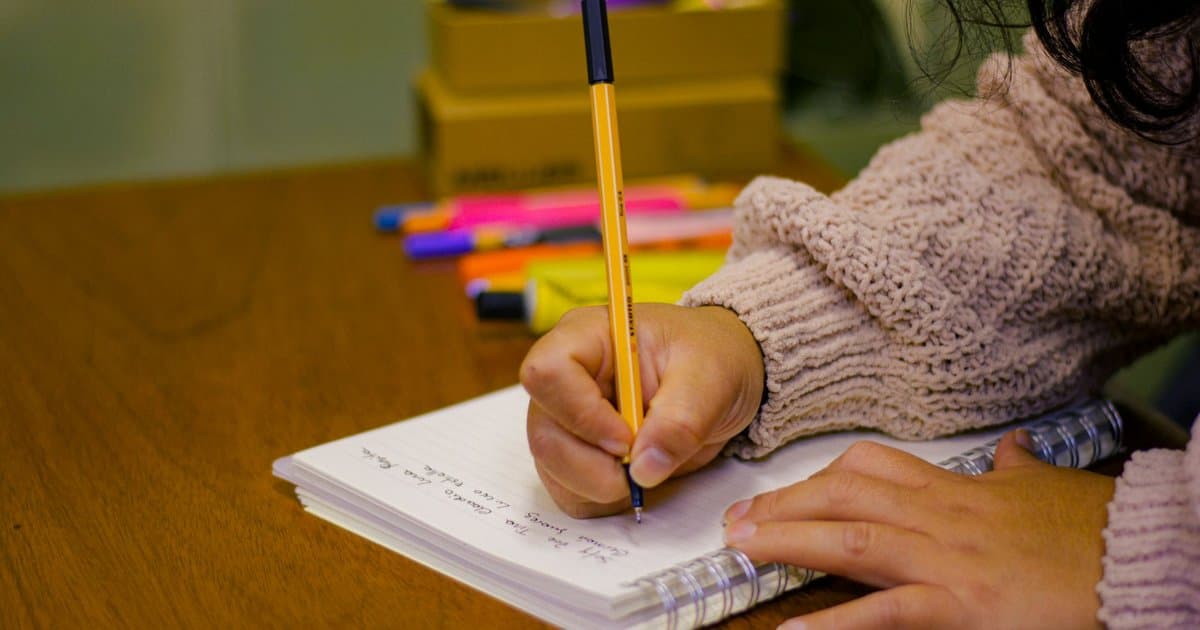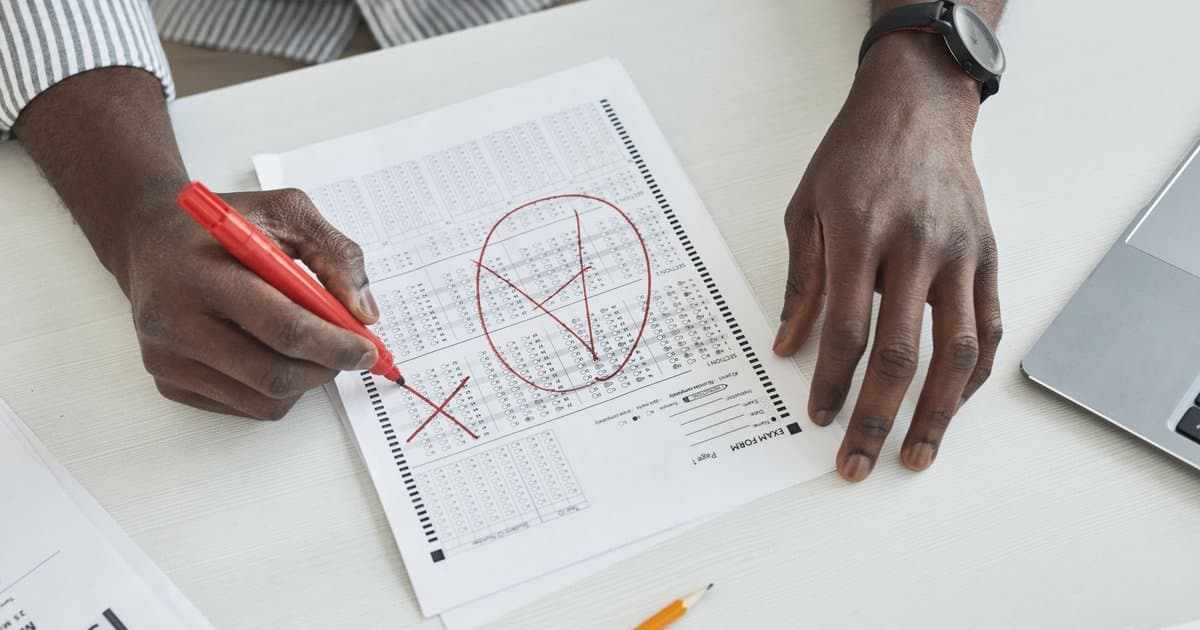
Almost everyone has seen it or lived it. A student studies hard, knows the material walking in, then stares at the page and goes blank. The answers that were right there the night before vanish, and they only come back after the test is over. It is tempting to call this a sign that the student did not really learn the content or did not prepare enough. The real reason is something else entirely, and once you understand it, the problem stops looking like a character flaw and starts looking like something you can actually fix.
The core of it is how stress affects memory. When a person feels threatened, the body floods with stress hormones meant to handle danger, the same response that once helped humans react to physical threats. That response sharpens reflexes but interferes with the part of the brain that handles complex thinking and recall, the prefrontal cortex. Under high stress, the brain prioritizes survival over careful reasoning, which means the calm, deliberate retrieval a test requires becomes much harder. The information is still stored. The student simply cannot reach it in that moment, because their own stress response is standing in the way.
Working memory makes this worse. Working memory is the mental space where you hold and manipulate information while solving a problem, and it has very limited room. When anxiety fills that space with worried thoughts, predictions of failure, and self monitoring, there is less room left for the actual task. The student ends up using their mental capacity to manage fear instead of answering the question. This is why a person can read a problem several times without it registering. The words are going in, but there is no room left to process them, because anxiety has taken the seats.
It also helps to know that this is partly a learned association. A few bad testing experiences can teach the brain that tests are dangerous, and after that the stress response fires automatically the moment a test appears. The fear is not really about this specific exam. It is the body reacting to a pattern it has labeled as threatening. That is actually encouraging, because patterns that were learned can be unlearned with the right approach. The student is not broken and not incapable. Their nervous system has simply been trained to treat tests as emergencies, and training can be changed.
The fixes follow directly from the cause. Lowering the stakes of practice helps, because doing many low pressure practice tests teaches the brain that the testing situation is survivable and normal. Simple breathing techniques before and during a test can calm the stress response enough to free up recall, since slow exhales signal the body that there is no real danger. Writing down worries for a couple of minutes before starting can clear them out of working memory so there is room to think. Sleep and preparation matter too, not only because they build knowledge but because a rested, confident student enters with a quieter stress response. None of these are tricks. They each target a specific piece of why the freeze happens.
There is also a longer game worth playing, because how a student handles tests early shapes how they see themselves later. A child who learns that stress is manageable carries that skill into every high pressure moment that follows, from interviews to presentations to hard conversations. A child who concludes that they simply fall apart under pressure carries that story too, and it tends to come true. That is why the framing matters so much in the early years. The aim is not to remove all stress, since a little pressure can sharpen focus and is part of life. The aim is to keep stress at a level the student can work through, and to give them tools that prove they can, because each survived test rewires the association a little more until the page stops feeling like a threat.
The most important shift is how the adults around the student respond. Treating a freeze as proof of laziness or weak character only adds shame, which raises the stress and deepens the pattern. Naming what is actually happening, that this is a stress response and not a lack of ability, takes the pressure down and gives the student something concrete to work on. A child who believes they are simply bad at tests will keep freezing. A child who understands that their brain is reacting to fear, and that the reaction can be managed, has a real path forward. The knowledge was never the missing piece. The calm to reach it was.