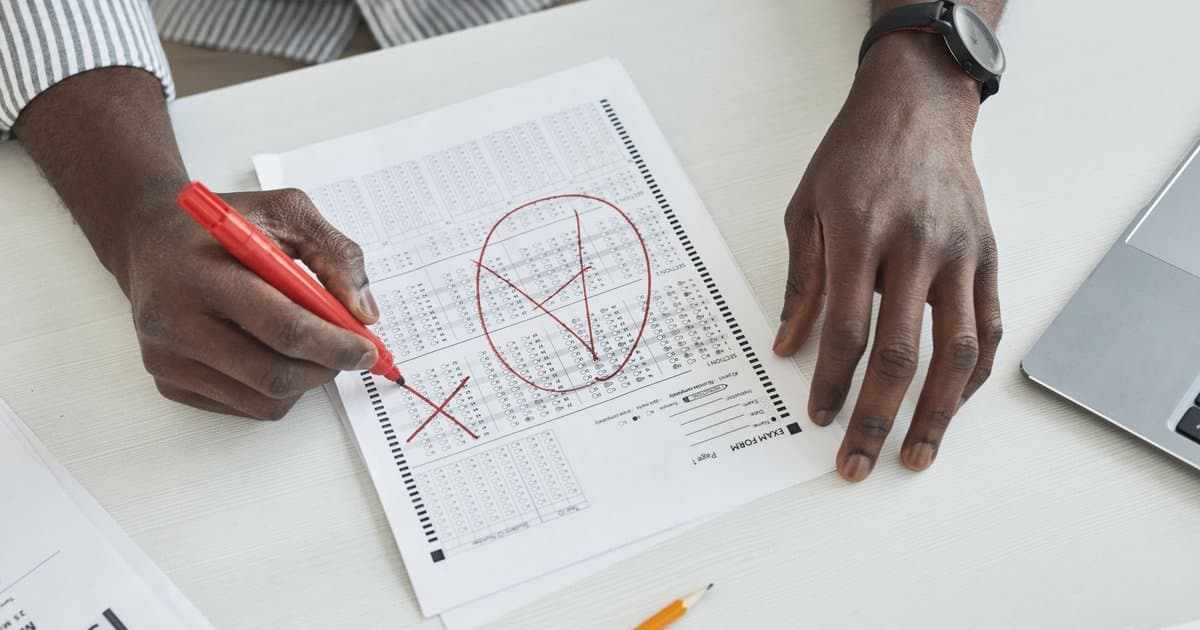
Studying hard and studying well are not the same thing, and the gap between them explains a lot of frustration for students and parents alike. A kid can sit at the table for two hours, look genuinely focused, and walk into the test having retained very little. The cruel part is that the methods that feel the most reassuring are often the weakest. Decades of research on how memory actually forms point to a short list of habits that waste time while creating a comforting illusion of progress. Here are four of the worst offenders, and what the evidence says you should do instead.
The first is rereading. It is the default move for almost everyone. You read the chapter, you do not feel ready, so you read it again, and the second pass feels smoother. That smoothness is the trap. Fluency is not the same as memory. When the words flow easily the second time, your brain reads that ease as knowing the material, but you are mostly recognizing the text, not recalling the ideas. On test day there is no page to recognize, and the recognition you built collapses. Rereading feels like learning while delivering very little of it.
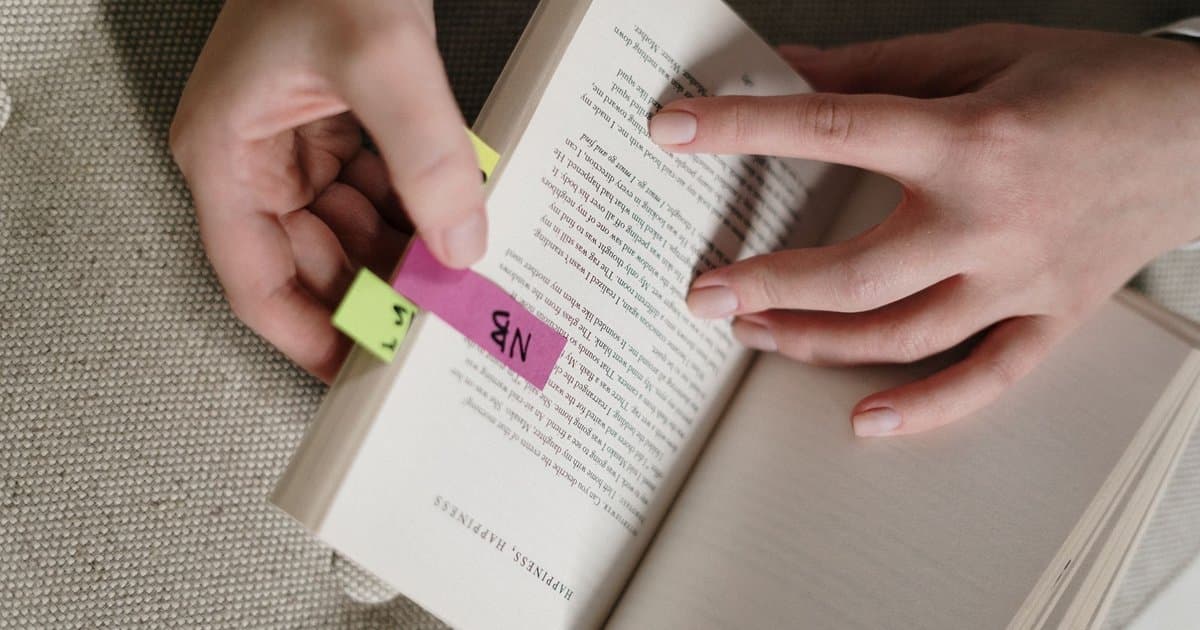
The second is highlighting. Coloring a textbook gives you something to do with your hands and a page that looks studied, but the act of marking a sentence does almost nothing to lodge it in memory. Worse, heavy highlighting often makes things harder, because once half the page is yellow you have lost the signal about what actually matters. It also tends to be passive. You are deciding a sentence is important and then moving on, rather than wrestling with why it is true or how it connects to anything else. The page ends up looking mastered while your understanding stays exactly where it started.
The third is cramming everything into one long session the night before. Massed practice like this can get you through tomorrow's quiz, which is why students keep doing it, but the knowledge evaporates within days. Memory is built by retrieval and by time, and a single marathon session gives you neither. You feel the panic of the deadline, you push hard for a few hours, and the material never gets the repeated, spaced exposure it needs to stick. A week later it is gone, which means the same content has to be relearned from scratch for the final.
The fourth is studying with your phone within reach, telling yourself you can multitask. You cannot, and almost no one can. Every glance at a notification forces your brain to reload the task, and that reloading carries a real cost in both time and depth. What feels like a quick check fractures your attention into shallow pieces, so an hour of divided studying produces far less than a focused half hour would. The phone does not just steal the seconds you spend on it. It degrades the quality of all the minutes around it.
So what actually works. The single most powerful habit is retrieval practice, which means closing the book and forcing yourself to pull the answer out of your own head. Flashcards, practice questions, or simply writing down everything you remember about a topic on a blank page all do this. It feels harder than rereading, and that difficulty is exactly the point, because the effort of recall is what strengthens the memory. The struggle is not a sign that studying is failing. It is the sign that it is working.
Pair retrieval with spacing, which means spreading study across several shorter sessions instead of one long block. Reviewing material today, again in two days, and again before the test takes less total time than cramming and produces dramatically better retention. Each time you let yourself almost forget and then pull the information back, you cement it a little deeper. The forgetting between sessions is not wasted. It is part of the machinery that makes the learning durable.
The honest takeaway is that good studying often feels worse in the moment than bad studying does. Rereading is pleasant and useless. Retrieval is uncomfortable and effective. If you are helping a student, the most useful thing you can do is teach them to judge their methods by results rather than by how busy or smooth they feel. The hours are going to be spent either way. The only real question is whether they buy anything that lasts past the test.