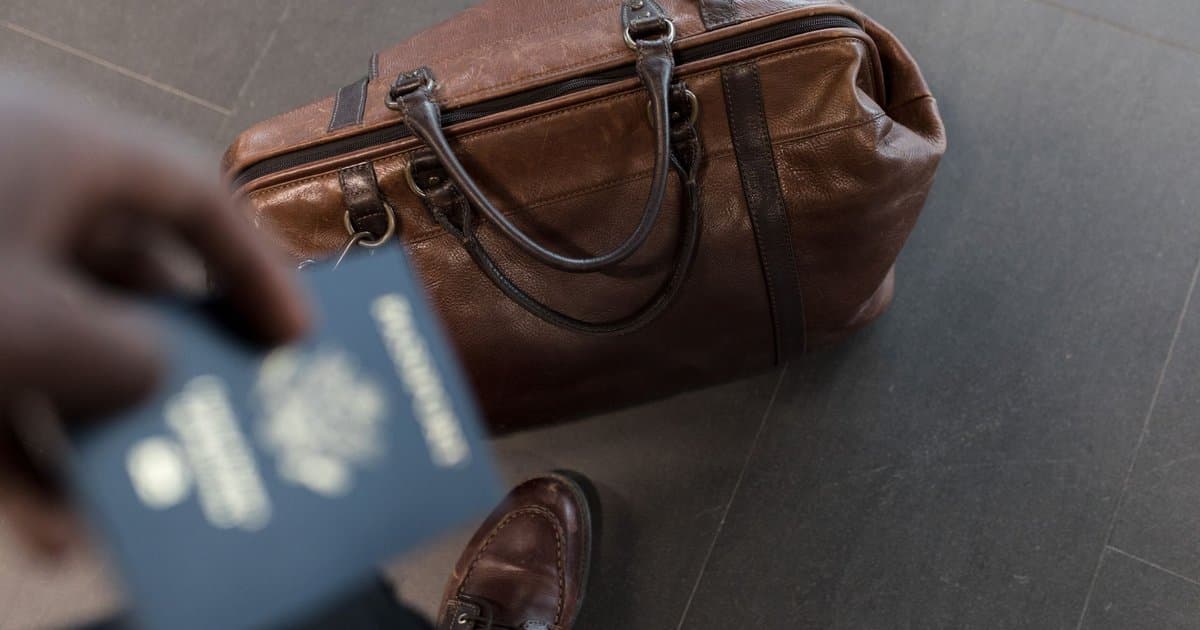
Somewhere along the way, traveling with only a carry-on became a badge of honor. The advice is everywhere, packing videos, frequent-flyer forums, coworkers who brag about fitting a week into one backpack. The logic sounds airtight, you save the checked-bag fee, you skip the baggage carousel, and you never risk the airline losing your things. For plenty of quick trips that math holds up just fine. But the carry-on-only rule has quietly turned into gospel, and like most gospel repeated without thinking, it hides some real costs. For a lot of travelers, checking a bag is actually the smarter and calmer choice.
Start with the airport itself. When you carry everything on, you are managing that bag from the second you leave home until the moment you arrive, through security lines, crowded gates, and the scramble for overhead space. On full flights, the bins run out, and the last passengers to board get their bag gate-checked anyway, except now it happens in a rush with a line behind them. You also have to lift that bag over your head, wrestle it back down at landing, and drag it through every connection and bathroom stop along the way. A checked bag skips all of that, you hand it over at the counter and walk through the airport with your hands free. For anyone with a bad back, small kids, or a long layover, that freedom is worth more than the fee.
Then there is the money, which is not as one-sided as it looks. The fee to check a bag is real, but so is everything you buy because you could not pack it. Liquids over the carry-on limit have to be left behind or replaced at your destination, so you end up buying travel-size toiletries, sunscreen, and other basics at inflated airport or hotel prices. People who fly carry-on only often repurchase the same items trip after trip because it is easier than shrinking everything down. If you travel with anyone, a single checked bag can hold what two carry-ons would, which can mean fewer fees, not more. Once you add up the replacements and the hassle, the savings from skipping the check can shrink to almost nothing.
Checking a bag also changes how you actually experience the trip. When you are not guarding a bag and racing for bin space, boarding becomes calm instead of competitive, and you can let the early groups fight over the overhead while you walk on with a small personal item. You are not the person holding up the aisle trying to force a bag into a full compartment. You are not sprinting through a connection worried your carry-on will get pulled at the gate. There is a real mental ease in handing off the heavy thing and trusting the system to move it for you. For a relaxing trip, that ease can matter more than saving twenty minutes at the end.
None of this means you should always check a bag, and that is the point, the honest answer is that it depends. For a two-day work trip, a carry-on is usually perfect, fast, cheap, and simple. But for a longer trip, a family trip, or any trip where you would rather not manage your belongings through every hallway and jet bridge, checking a bag buys back time, comfort, and sometimes even money. The blanket rule that carry-on is always better skips over all of that. Look at the actual trip in front of you, the length, the connections, who you are traveling with, and what you would have to buy or leave behind. Sometimes the smart, seasoned move is the one everyone told you to avoid.