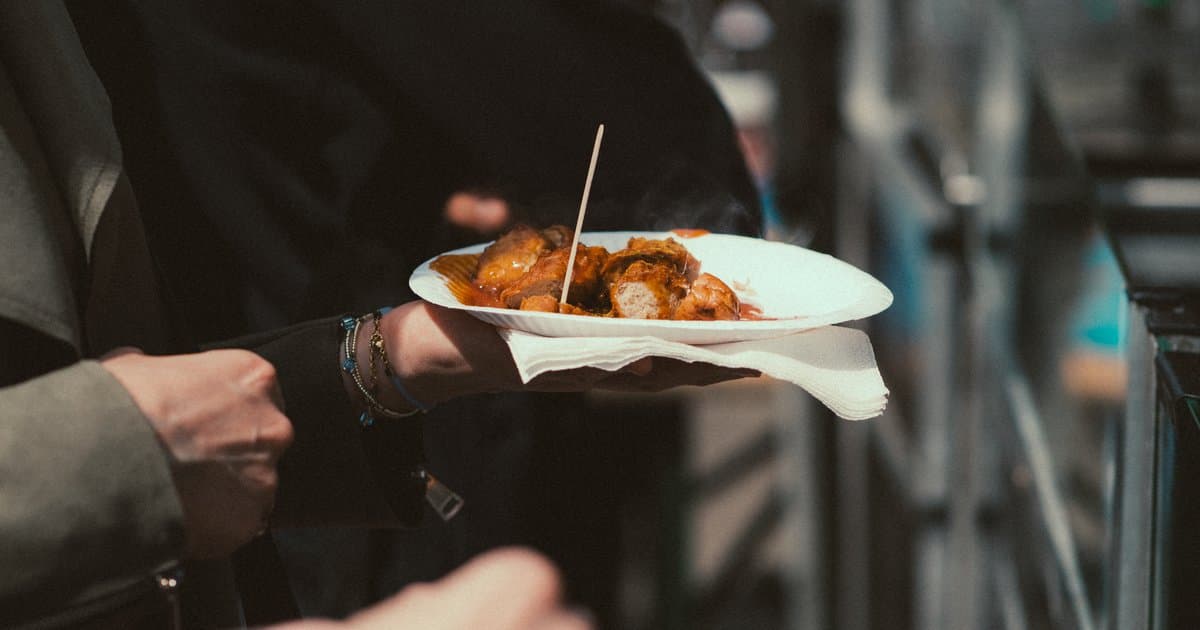
You order the chicken, take a bite at cruising altitude, and it tastes like a faint copy of a real meal. Airplane food has a bad name, and the cooks usually take the blame for it. Most of the fault is not in the kitchen at all. Your own senses change once the plane climbs, and they turn against the food on your tray. The question is not why airlines cook so badly. The real question is why the same meal that tastes fine on the ground goes dull at 30,000 feet.
Start with pressure. A cabin at cruising height is kept at a lower pressure than the air at sea level. That drop alone numbs a large share of your taste buds, close to a third of them by many estimates. One airline ran its own tests and found something very specific. At altitude, your ability to pick up sweet and salty flavors falls by roughly 30 to 40 percent compared with the ground. So a dish that was seasoned for a normal room lands on your tongue already muted.
Then there is the air itself. Cabin humidity drops to extreme lows during a long flight, sometimes below 12 percent. That is drier than a lot of deserts. Dry air pulls the moisture out of your nose and dulls your sense of smell, and smell is where most of what you call flavor actually lives. When your nose goes quiet, food flattens out no matter how much salt is on it. The cabin basically hands you a mild head cold for the length of the trip.
Noise plays a part that few passengers ever suspect. The steady roar of the engines sits around 85 decibels inside the cabin. Researchers at a major university tested how that kind of sound changes taste. They gave people the five basic flavors, first in silence and then while wearing headsets that played jet engine noise. The noise made sweetness harder to taste. That is one more reason the dessert and the drink seem weaker in the air than they would at your kitchen table.
One flavor breaks the pattern, and airlines have noticed. That same engine noise made umami taste stronger, not weaker, in the tests. Umami is the savory, almost meaty note found in foods like tomato, mushroom, aged cheese, and broth. While sweet and salty fade at altitude, umami holds its ground and can even grow. So the tastes that survive a flight are the deep savory ones. Smart menus lean hard on that single fact.
This explains a strange habit you may have seen on board. One airline found that its passengers drink around 1.7 million liters of tomato juice each year in the air. On the ground, plenty of those same people would never order it. Tomato juice is loaded with umami, so it tastes bright and full at altitude while other drinks go flat. The plane does not make you crave it out of nowhere. It simply strips away the flavors that would normally drown it out.
Knowing all this, airlines cook differently for the sky. They season more heavily than a ground kitchen would dare, since a third of the seasoning will go unnoticed anyway. They reach for savory, umami-rich ingredients that keep their strength up high. They favor sauces and broths that hold moisture and flavor together. Some carriers even test their menus in low-pressure rooms before a dish ever reaches a tray. The goal is to build a meal that still works after your senses lose a step.
So the flat taste is real, and it is not a myth cooked up by frequent flyers. Your body, not the galley, is the main reason the meal disappoints. Lower pressure, bone-dry air, and steady engine noise team up to mute the parts of flavor you care about most. The next time a dish surprises you at altitude, look closely at what it is. Odds are it leans on something deeply savory, because those are the flavors that make it through the climb. Everything sweet and subtle got left down on the runway.