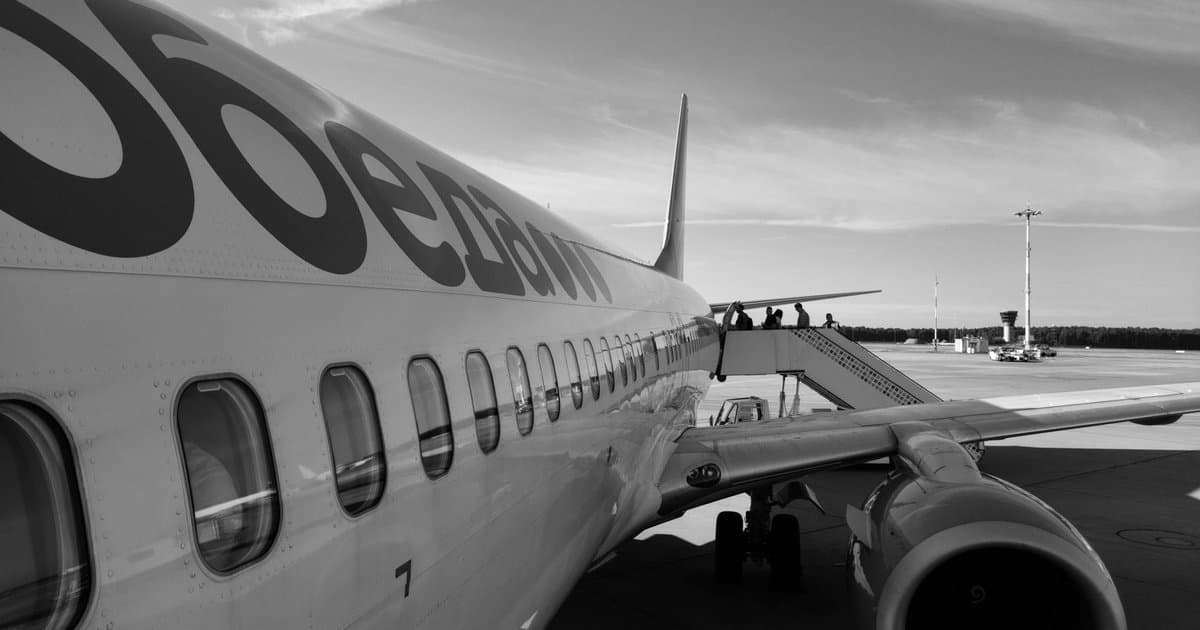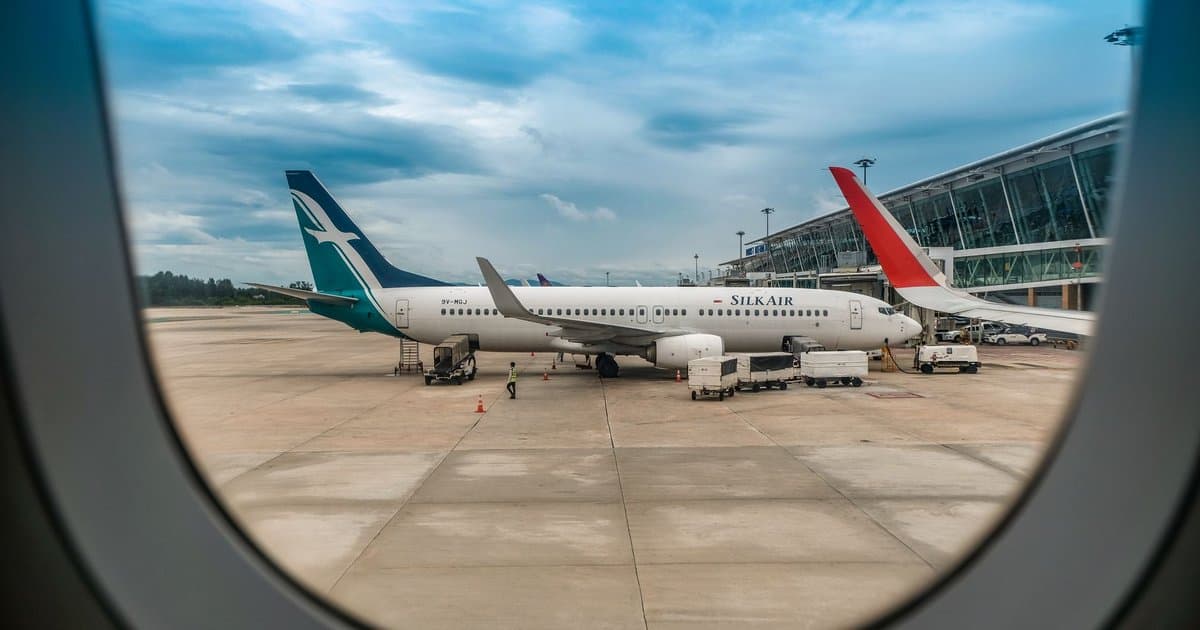
Look down the length of any airplane cabin and you will see the same shape at every single seat. The windows are small, and each of the corners is gently rounded off. No airline picks that shape just because it happens to look nice. It comes straight out of one of the hardest lessons in the whole history of flight. The earliest passenger jets tried using square windows, and the result of that turned out to be deadly. The rounded corner that you lean against on your next trip is the answer that came out of those crashes.
The story really starts in the early 1950s with the first jet ever built to carry paying passengers. It was a sleek and beautiful British plane that was called the Comet. It flew both higher and faster than the propeller planes that ruled the skies in its day. Passengers absolutely loved it, and the airlines were very proud to fly it. For a short while it truly looked like the future of travel had finally arrived. The windows on that early model were large and shaped like squares. That single choice seemed perfectly fine to everyone at the time.
Then the planes began to fall right out of the sky. In the year 1954, two of these jets broke apart in mid flight within just months of each other. The losses were total, and the public was deeply shaken by the news. The whole fleet was grounded while investigators searched hard for a cause. Engineers pulled the broken wreckage up from the sea and pieced it back together on land. They ran one of the most careful and detailed crash studies of that entire era. What they finally found in that wreckage changed the design of planes for good.
The real problem turned out to be the shape of the windows themselves. A square window has sharp corners, and sharp corners quietly trap stress inside the metal. Every time the cabin filled with pressure and then emptied again on the ground, the metal flexed a little. That flexing is called pressure cycling, and it happens on every single flight a plane takes. Stress gathered and built up at those square corners with each and every cycle. Over enough time, tiny cracks formed at the corners and then spread out fast. The metal finally tore open, and the plane came apart while it was in the air.
A round corner solves this whole problem in a clean and simple way. Curves spread the stress out evenly instead of piling it all up in one tight spot. With no sharp angle there to grab and hold it, the force flows smoothly around the opening. The metal around a round window lasts far longer under the exact same strain. That is the reason every window on a modern airliner has soft, rounded corners today. The very same idea shows up in the doors and the hatches too. Sharp inside corners are carefully avoided anywhere the cabin has to hold pressure.
There is a second small detail that most people flying never even notice. The clear pane that you can touch is not the only layer holding back the sky. Cabin windows actually use more than one pane, with a small gap left between them. There is often a tiny little hole in the inner pane down near the bottom. That small hole lets the outer pane carry most of the pressure load by itself. It also keeps fog and moisture from building up in the space between the layers. So each window is really a small system, and not just one flat piece of glass.
The crash study did far more than simply fix one window shape. It changed the way that planes get tested before they ever carry a single person. Makers now put every new design through very long stress trials on the ground first. They flex and pressure a test body thousands of times to copy years of real flights. Weak points now show up in the lab instead of showing up in the air. This kind of hard testing is now completely standard across the whole industry. The square window failure helped build that lasting habit of testing everything to the breaking point.
The Comet itself did not simply vanish from history in total shame. Its makers went back, fixed the window shape, and strengthened the body of the plane. Later versions of it flew safely for many years in a number of other roles. Still, those early crashes handed the clear lead to other builders around the world. Companies in the United States used all of those hard lessons to shape their own jets. The planes that carried the jet age forward owed a real debt to that painful failure. Progress in flight has very often been paid for in exactly this way.
So on the next flight you take, look again at that little oval sitting by your seat. It is not a style choice, and it is certainly not there by pure chance. It is the shape that keeps the whole cabin in one piece at high altitude. Each rounded corner quietly carries the memory of planes that did not make it home. The lesson was learned once, at a great cost, and it has held firm ever since. Good design very often hides in plain sight exactly like this. The safest details are usually the ones you never even have to think about.