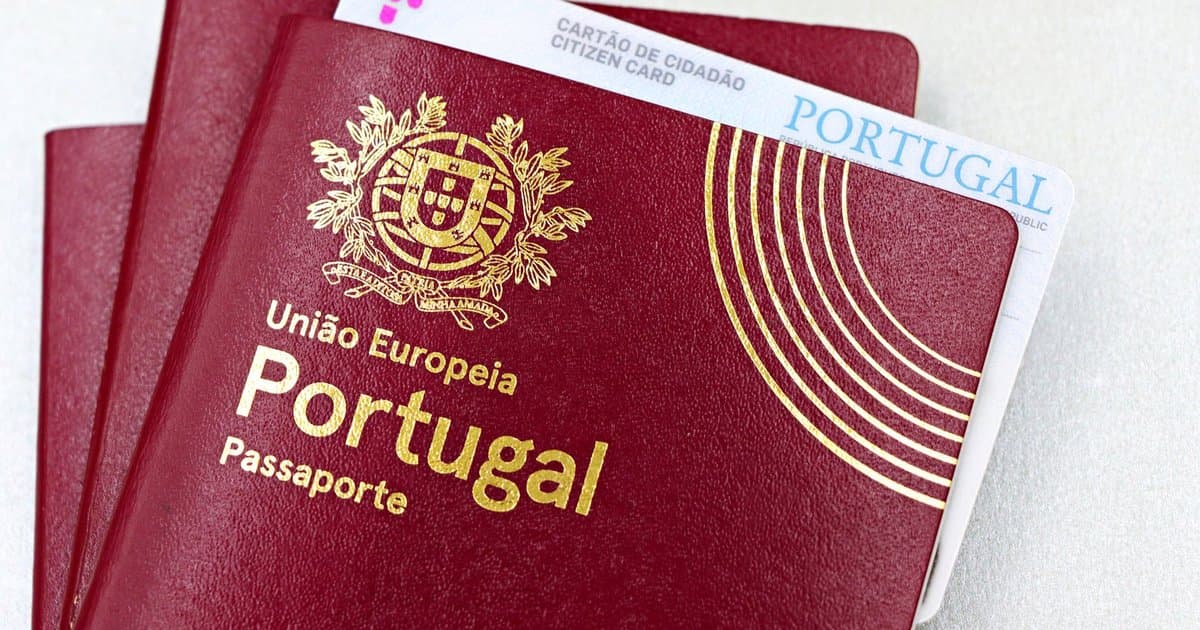
Most travelers have heard some version of the six month rule. Your passport needs at least six months of validity left beyond your travel dates or you will be denied entry. People picture the failure happening at a foreign border, with an officer studying the page and shaking their head. That is not where it happens. The overwhelming majority of six month denials occur at a check in counter in the departure city, hours before anyone reaches a border at all. The person delivering the news works for the airline.
The reason is a rule most passengers never see. Under international civil aviation practice and the immigration law of nearly every destination country, a carrier that brings in a passenger who is refused entry has to fly that person back at its own cost. Many countries add a fine on top of that. The airline eats the return seat, the penalty, and the operational mess of an inadmissible passenger sitting in an airport. Airlines respond the way any business would when it holds the liability. They check documents before boarding and refuse anyone who does not clear the requirements on paper.
The tool they use is a commercial database of entry requirements that airline staff query by passport nationality, destination, and route. It compiles visa rules, passport validity requirements, transit rules, and onward ticket requirements for essentially every country pair. The agent enters your details and the system returns a pass or a fail. The agent follows what it says. That system does not negotiate and it does not weigh your explanation. It also errs on the strict side, because the airline's exposure runs in only one direction.
The rule itself is less uniform than travelers assume, which is the second half of the confusion. Some countries genuinely require six months of validity beyond the date of entry. Others require six months beyond the date of departure, which is a different and later date. A large group requires only three months, including much of Europe under the Schengen rules. A number of countries require only that the passport be valid for the duration of the stay. The specific number attached to your destination is knowable in advance, and it is published by the State Department for each country. Assuming the strictest version is safer than assuming the loosest one.
Where people get burned is the calculation, not the rule. Travelers count six months from today rather than from the return date, which is the wrong anchor when the trip is months away. A passport that clears the requirement when you book can fail by the time you fly. Multi country itineraries compound the problem, because the strictest country on the route sets the bar and a transit stop can carry its own rules. Renewals take time, and processing windows stretch during peak season. A passport with seven months left today is a passport with four months left on a trip you booked for next spring.
Blank pages are the companion issue that catches people the same way. Plenty of countries require one or two completely blank visa pages for entry stamps, and the amendment pages at the back do not count. A frequent traveler with a nearly full passport can meet every validity requirement and still be refused. The check happens in the same place with the same database. The fix is the same as for validity, which is a renewal. Once the pages run out, there is no adding more.
Handling this well takes ten minutes and one calendar entry. Look up your destination's actual requirement rather than assuming six months. Count from your return date rather than from today, and write the number next to your booking confirmation. Set a reminder nine months before your passport expires, because that gives room for a renewal before any trip you might book. Count your blank pages while you are looking. If you are connecting through a third country, check that country's transit rules separately, since a layover long enough to require leaving the secure area can trigger its own document requirements.
If it happens to you at the counter, understand what you are dealing with. The agent is not applying discretion and cannot override the system, so arguing is wasted energy. Ask to speak with a supervisor once, since occasionally the entry was made wrong or a rule exception applies to your nationality. Ask specifically what the system flagged, because knowing whether it was validity, pages, or a visa tells you what to fix. A regional passport agency can sometimes issue an emergency renewal for documented urgent travel, but that requires an appointment and time you may not have. The far better outcome is checking the number months earlier, when the whole problem costs nothing but a form and a fee.
Sources: U.S. Department of State country entry requirement pages; International Civil Aviation Organization carrier liability provisions.