You print a boarding pass, glance at it, and see four capital letters sitting near the bottom corner. SSSS. Most travelers have no idea what it means until an agent pulls them out of the line, walks them to a separate table, and starts going through everything in the bag by hand. The letters stand for Secondary Security Screening Selection. It is not a mistake, it is not a random glitch in the printer, and arguing about it at the podium will not remove it. The flag was applied before you ever reached the airport.
The screening itself is a step up from the normal checkpoint. Expect a full hand search of carry on items, a pat down, swabs of your hands and the inside of your luggage for trace residue, and a closer look at electronics. Shoes come off even in lanes where they normally stay on. On international flights the same check may happen again at the gate right before boarding. The whole thing usually runs fifteen to thirty minutes, though a busy checkpoint with one open secondary table can stretch it well past that.
The flag comes from Secure Flight, the passenger vetting program the Transportation Security Administration runs. Airlines send passenger data to the agency before departure, the agency matches it against watch lists and risk rules, and it sends back a screening instruction. The airline prints whatever it is told to print. That is why the gate agent genuinely cannot help you. The airline is a messenger in this process, not the decision maker, and the staff at the counter can see the code without seeing any reason behind it.
Nobody publishes the trigger list, for obvious reasons, but patterns show up often enough that frequent travelers have mapped rough edges of it. One way international tickets draw attention. So do tickets bought with cash, bought at the last minute, or paid for by someone other than the traveler. Itineraries with odd routings, very short stays in certain countries, or a booking changed several times close to departure come up repeatedly. A name close to one already on a list is another common cause, and that one has nothing to do with anything you did.
That last category is the reason the Department of Homeland Security built a complaint channel. The DHS Traveler Redress Inquiry Program, usually shortened to TRIP, exists for people who keep getting stopped because their name resembles somebody else's. You file online, submit identity documents, and if the case is accepted you receive a redress number. You then enter that number in your airline profile and in every future booking, which lets the system tell you apart from the person the flag belongs to. It is free to file and it does not require a lawyer.
Set expectations honestly, though. Redress helps with mistaken identity. It does not clear a flag that was applied for a reason tied to you, and it is not a fast process. Cases can take months, and the response you get will not explain what was on file or why. Many travelers file, wait, and later notice the letters simply stopped appearing without ever learning what changed. That opacity is deliberate. A system that explained its own triggers would be a system anyone could route around.
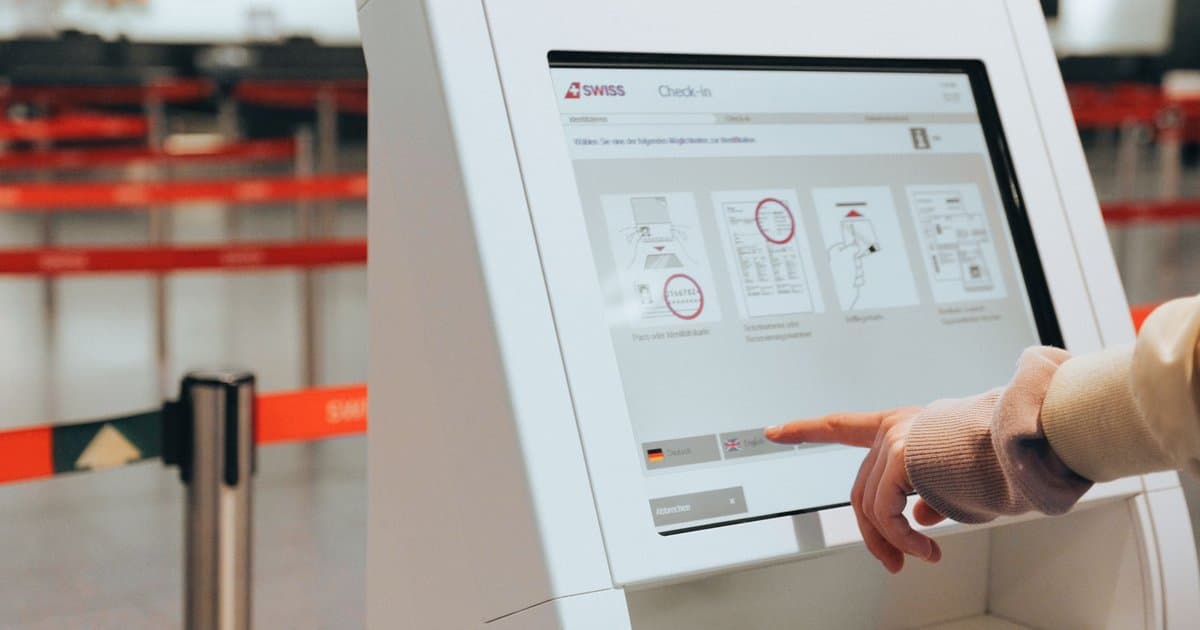
Practical handling matters more than theory when it happens. Check in as early as the airline allows so you see the code before you leave home, and give yourself an extra hour. Keep laptops and tablets where you can reach them without unpacking the whole bag. Do not put anything in a carry on that you would hate to have unfolded on a table in public view. Stay calm and cooperative with the officer, because the officer did not select you and has no ability to undo it. Getting sharp at the checkpoint only extends the search.
A few smaller notes are worth carrying. Trusted traveler status does not protect you. A PreCheck member who draws the flag loses the expedited lane for that trip, and the same is true of Global Entry holders on the return. Mobile boarding passes sometimes hide the code, which is one argument for printing a paper pass on a trip where timing is tight. And the flag applies per flight segment, so a clean outbound leg tells you nothing about the return.
The letters feel personal the first time and they usually are not. Secure Flight processes an enormous volume of passengers every day using data the traveler never sees, and a share of those flags land on people who did nothing but book a ticket that looked unusual to a rule. Knowing what the code means turns a confusing detour into a scheduling problem. Build the buffer, pack for a search, and file for redress if it keeps happening. That is the whole playbook.