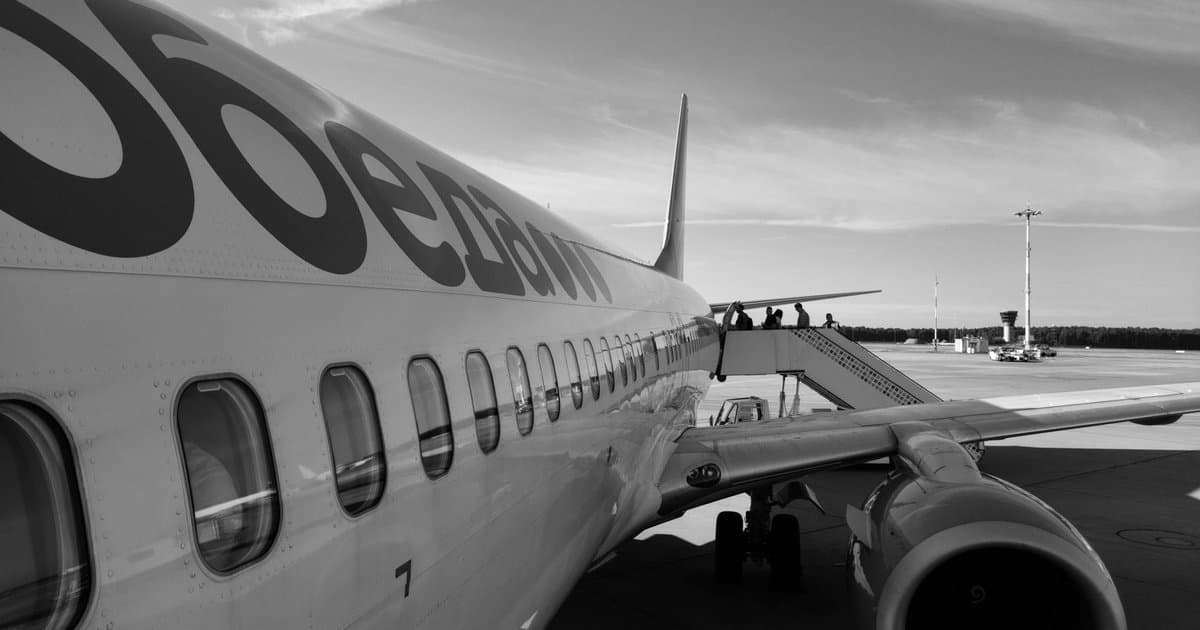
Think about the last few flights you took. You almost certainly walked onto the plane through a door on the left side. The right side stays mostly closed to travelers, used instead for food carts, bags, and fuel. This is not a rule any single airline made up. It holds true across nearly every airport and airline in the world. Once you notice it, you cannot stop seeing it.
The habit did not start with planes at all. It started with ships, and the word for it is still around today. Sailors called the left side of a boat the port side because that was the side they turned toward the dock. The right side was the steering side, where a large oar once hung, and they kept it clear of the pier. Loading people and goods from the port side became the normal way to do things. Early flying boats and planes simply carried that habit into the air.
When passenger planes grew in the 1930s and later, builders had to pick a boarding side. They looked at how ships and early aircraft already worked and kept the left. Pilots also sit with the captain on the left, which lined up neatly with left side doors. That let the captain judge the wingtip and the gate on the same side while parking. Airports then built their gates, ramps, and jet bridges to match. Once the whole system leaned left, changing it would cost far too much.
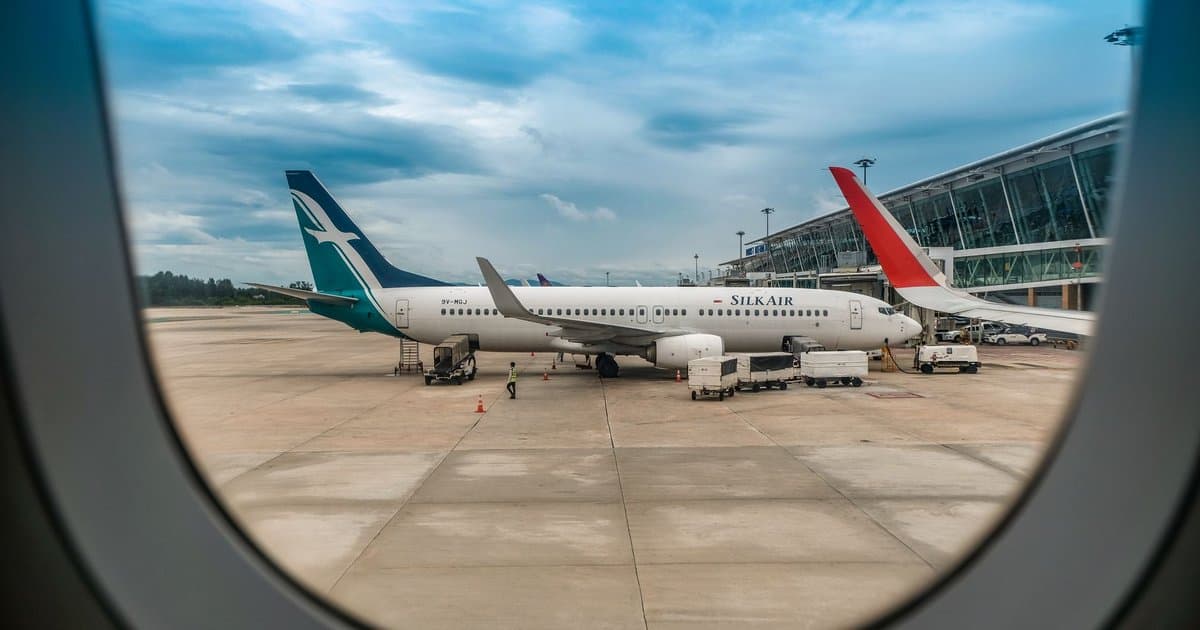
There is a practical side to this choice as well. Ground crews need the right side of the plane free to do their work fast. Fuel trucks, baggage loaders, and catering vans all crowd that side while you board. Keeping people and cargo on opposite sides means both jobs can happen at once. That saves time, and time at the gate is money for every airline. A plane that turns around faster can fly more trips in a day.
Safety rules also depend on this steady pattern. Flight crews train to move people toward the doors they know best in a rush. When every plane follows the same layout, crews and travelers act without second guessing. Emergency plans, jet bridges, and airport signs all assume the same boarding side. A mix of left and right doors across airlines would slow everyone down. Order like this fades into the background, but it keeps large crowds moving safely.
You can see the same logic in how a gate is set up. The jet bridge swings out from the building and meets the front left door every time. Workers do not have to guess or adjust for each aircraft type. The bridge, the ramp, and the door all sit where crews expect them. This kind of quiet standard is what lets an airport handle thousands of flights. Each piece fits because everyone agreed on the same side long ago.
None of this is required by any world law, which is the surprising part. It is a shared habit that grew out of old sea travel and simply stuck. Builders, pilots, and airports all found it easier to match than to fight. Over time the choice hardened into something that feels like a rule. Travelers rarely ask why, since the left door is just how flying works to them. The answer sits hidden in the language of sailors from centuries ago.
So the next time you step onto a plane, look at which side you enter. That left hand door connects you to dock workers who lived long before engines could fly. The word port still marks the same side it did on old wooden ships. A small habit crossed from water to sky and never looked back. Travel is full of these quiet threads that tie the new to the old. Once you spot one, the whole system starts to make more sense.