Honey is the one food in your kitchen that will never go bad. Put it in a sealed jar and leave it alone, and it can outlast you by centuries. When archaeologists opened tombs in Egypt, they found pots of honey that were thousands of years old. The honey had crystallized and turned dark, but it was still safe to eat. No other food on your shelf can make that claim. Milk sours in days, bread molds in a week, and even canned goods have a limit. Honey just sits there and waits.
To see why honey is special, it helps to know why other food rots. Most spoiling comes from tiny living things like bacteria, yeast, and mold. They need water and a friendly place to grow. Give them a wet, warm spot with some sugar or protein and they multiply fast. That is why a slice of bread or a cut apple turns on you so quickly. Honey takes almost every one of those needs away, one by one.
The first defense is water, or the lack of it. Honey is packed with sugar and holds very little free water. Bacteria and mold need water to live, and honey barely gives them any. On top of that, honey actually pulls water toward itself. Leave a jar open in a damp room and it will slowly draw moisture out of the air. That same pull rips water right out of any microbe that lands in it, which dries the cell out and kills it fast.
Water is only part of the story. Honey is also acidic, with a pH low enough to make life hard for most germs. That sour edge is not something you taste much, but bacteria feel it. There is one more trick working in the background too. Bees add an enzyme to nectar as they make honey, and that enzyme slowly releases small amounts of hydrogen peroxide. Hydrogen peroxide is the same stuff people dab on a cut to clean it. So in a real sense, honey cleans itself from the inside.
None of this happens by accident. Bees build these defenses on purpose, because honey is their winter food supply. They gather nectar, which starts out thin and full of water. Back at the hive they beat their wings to fan it and drive the water off. They also add enzymes that change the sugars and lower the pH. By the time the comb is capped with wax, the honey is a dense, sealed store that can feed the colony through months with no flowers. What keeps it good for bees keeps it good for us.
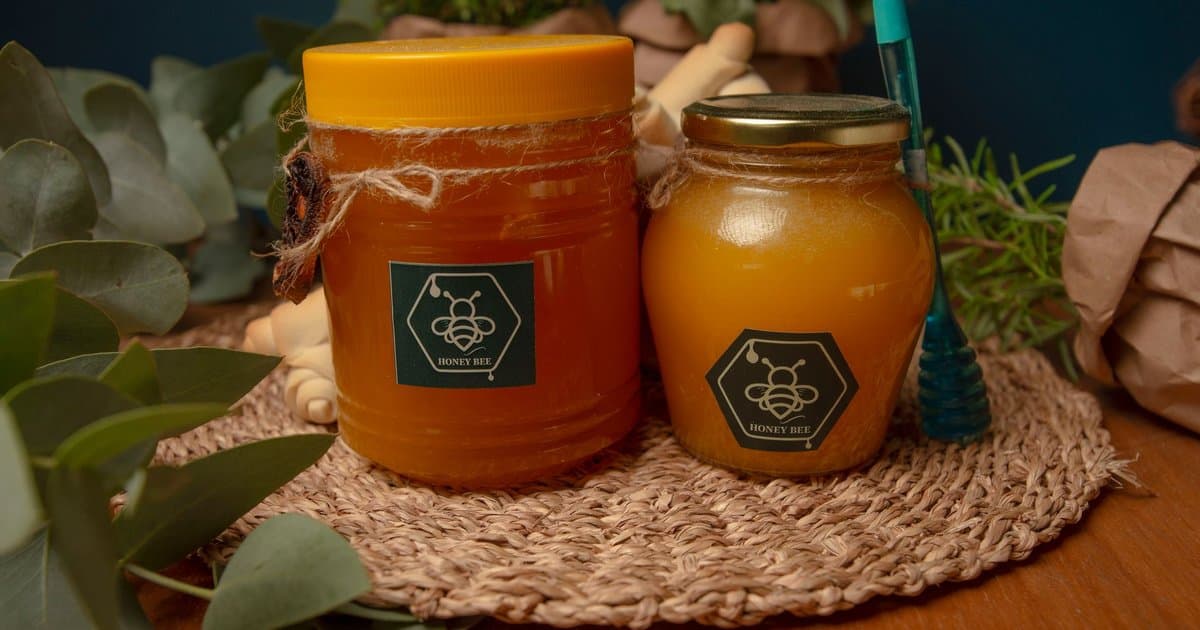
There is a catch worth knowing. Honey only lasts forever when it stays sealed and dry. The moment water gets in, the odds change. Watered-down honey can ferment, which is actually how mead, an old honey wine, gets made. So if you dip a wet spoon into the jar again and again, you slowly invite trouble. Keep the lid on, keep water out, and store it at room temperature. Do that and the jar will likely outlive the pantry it sits in.
People often throw honey out for the wrong reason. Over time most honey turns cloudy and hard, and it forms grainy crystals near the bottom. Many folks see that and think it has gone bad. It has not. Crystallizing is just the sugar settling out of the liquid, and it is a normal sign of the real thing. Set the jar in a bowl of warm water for a while and the crystals melt back into a smooth pour. You lose nothing but a little patience.
So the next time you spot an old jar in the back of the cabinet, do not toss it. Check that the seal held and that no water got in, warm it up if it turned to sugar, and it is very likely fine. Few things we eat carry that kind of staying power. A food that can sit in a tomb for three thousand years and still spread on toast is worth a second look. It is a small reminder that nature often solves hard problems in quiet ways. The bees figured out food storage long before we ever did.