Walk through any grocery store and the message is clear. The fresh produce sits up front under bright lights, and the freezer aisle feels like the backup plan. Most people assume fresh vegetables are always the healthier choice. The truth is messier, and often the opposite. Frozen vegetables can match fresh ones for nutrition, and in plenty of cases they beat them. The reason has everything to do with time, and time is the part the front of the store never mentions.
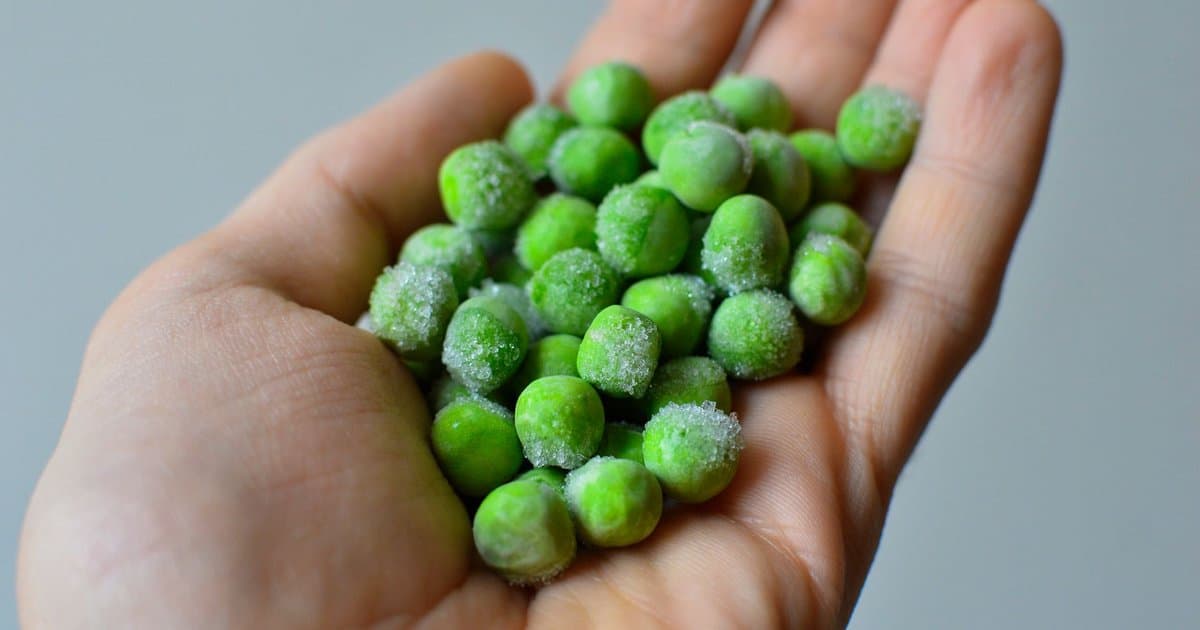
Here is what happens to a frozen vegetable. It is picked at peak ripeness, when its vitamin content is at its highest. Within hours it is washed, sometimes briefly heated, and flash frozen. That fast freeze locks the vegetable in place, nutrients and all, close to the moment it left the field. It does not keep ripening and it does not keep breaking down. What you buy months later is roughly what was captured on harvest day.
Now follow a fresh vegetable on its real journey. It is often picked before it is fully ripe so it can survive the trip. Then it rides trucks, sits in warehouses, waits on shelves, and finally rests in your fridge. That whole path can take a week or two, sometimes even longer. The entire time, the vegetable is alive and slowly losing nutrients. By the time it reaches your plate, some of its vitamins are simply gone.
This is not a hunch. Researchers have compared frozen and fresh versions of the same vegetables head to head. Time and again, frozen holds its own, and for certain nutrients it comes out ahead. Vitamin C and folate are water soluble and fragile, and they fade during long storage. A pack of frozen spinach can carry more of them than a fresh bunch that spent ten days in transit. The freezer, it turns out, is a pretty good pause button.
Frozen is not perfect, and honesty matters here. The quick heating step before freezing, called blanching, does cost a small amount of certain nutrients. Texture changes too, since ice crystals soften the vegetable, which is why frozen works better cooked than raw. Some bags come loaded with butter sauces, cheese, or added salt that erase the health edge. Read the label and pick plain vegetables with nothing added. Done right, the tradeoffs are minor and the savings are real.
The money side seals the case for a lot of homes. Frozen vegetables usually cost less per serving than fresh. They do not rot in three days, so you throw away far less of what you buy. That matters, because the healthiest vegetable is the one you actually eat, not the one that wilts in the drawer. A bag in the freezer waits for you without guilt or spoilage. For busy weeks, that reliability is worth as much as the nutrition.
None of this means fresh is a loser. When produce is truly local and in season, picked days ago at a farm stand or your own garden, fresh is excellent and hard to beat. Fresh also wins for anything you plan to eat raw, like a crisp salad or sliced peppers. The point is not that frozen is king. The point is that fresh is not automatic royalty either. Match the form to the meal and the season, and you win both ways.
It is worth drawing a line between frozen and canned, because people often lump them together. Canning uses high heat that can cut into some of the fragile vitamins, and many cans carry added salt or sugar. Frozen skips most of that, which is why it usually holds nutrition better than canned. If canned is what you have, rinse the vegetables to wash off some of the sodium and look for no salt added labels. When you shop the freezer aisle, squeeze the bag gently before you buy. If the vegetables feel like one solid block, they thawed and refroze at some point, which hurts both texture and quality. A bag of loose, freely moving pieces is the one you want. Small habits like that stretch both your health and your budget.
The smart kitchen keeps both and stops feeling bad about the freezer. Use fresh when it is local, in season, or headed for a salad. Reach for frozen when the fresh option has clearly traveled far or when you want zero waste. Either way, you are eating vegetables, which is the whole goal. Let go of the idea that the freezer aisle is second best. Sometimes it is the smarter buy, and now you know exactly why.