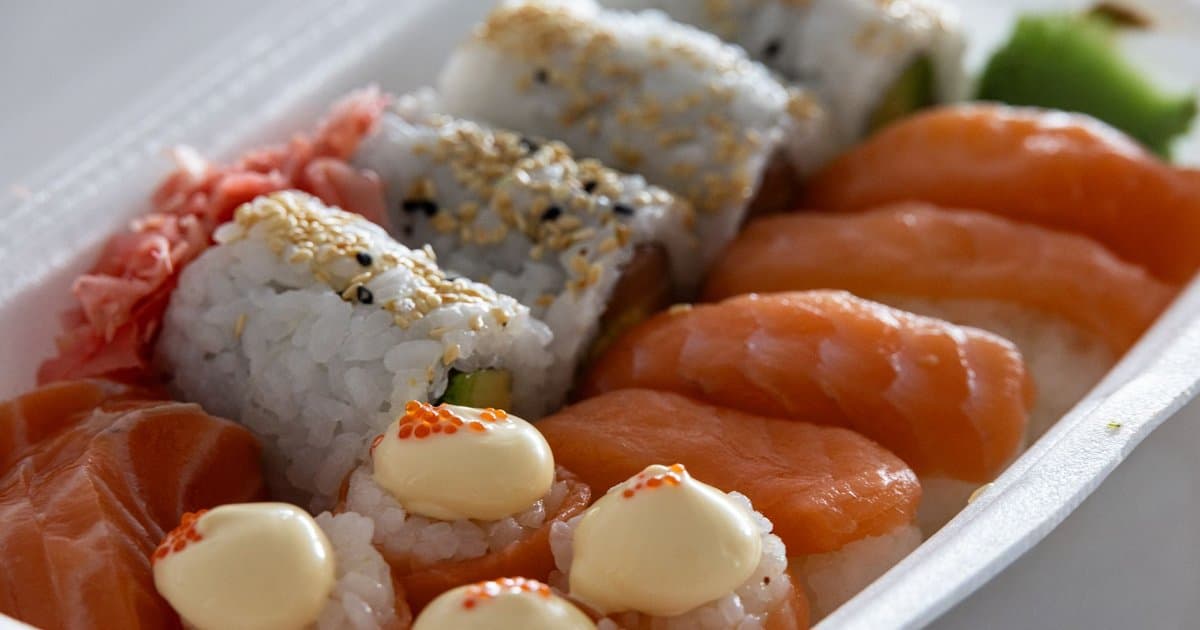
That small mound of green paste next to your sushi has a secret. Most of the time, it is not wasabi at all. Real wasabi comes from a plant that is hard to grow and costs a lot. So most places skip it and serve a stand in that looks the part. The swap is so common that many people have never tasted the real thing. They think the sharp burn in their nose is wasabi. In truth, they are eating something else with a green coat of paint.
The paste on most tables is a blend of a few cheap parts. The base is horseradish, a root that grows fast and packs a strong bite. To that, makers add mustard powder for even more heat. Then they add green dye to give it the right look. The result is close enough in taste that few people ever question it. Horseradish and real wasabi are cousins in the same plant family, so the burn feels alike. But they are not the same plant, and they do not cost the same to make.
Real wasabi is one of the hardest crops in the world to grow. The plant needs cool, running water and shade, much like a mountain stream. It takes a year or more to reach a size worth selling. It rots fast and bruises easy, so it is hard to ship far. All of this drives the price way up. A single root can cost more than a nice cut of meat. Farms that can grow it well are few, so the supply stays tight and dear.
Real wasabi also acts nothing like the paste from a tube. It is grated fresh from the root, right before you eat it, often on a sheet of rough sharkskin. The flavor is bright and clean, with a heat that fades fast and does not choke you. It tastes a bit sweet and green, not just hot. Within about fifteen minutes of grating, that flavor starts to fade away. That is why real wasabi is served the very moment it is made. The stuff in a tube can sit on a shelf for months and never change.
You can learn to tell the real thing from the fake. Fresh wasabi has a rough, uneven look with small bits of the root in it. Fake paste is smooth, bright green, and the same all the way through. If a plate of sushi is cheap, the wasabi is almost surely fake. Real wasabi shows up at high end spots and costs extra on the bill. Some menus now say real wasabi right on the page as a point of pride. If they do not say it, you can guess what you are getting.
The swap is not really a scam, and it is not a health risk. Horseradish is a fine food on its own and has been eaten for ages. It gives the heat and the kick that go so well with raw fish. For most meals, the fake works just fine and keeps the price down. Few diners would pay the real cost at a normal spot. So the trade off makes sense for both the shop and the guest. Still, it is worth knowing just what is on your plate.
There is also a right way to eat wasabi that many people miss. In Japan, you are not meant to stir it into your soy sauce. A good sushi chef already puts the right amount between the fish and the rice. Mixing a big glob into the sauce can drown the taste of the fish. Real wasabi is meant to lift the flavor, not bury it under heat. The nose burn you feel is not the same as the burn from a chili. It rises fast and clears fast, so it does not linger on the tongue.
Both the real root and the horseradish blend carry a bit of health value. The heat comes from a group of natural compounds that the body can use. These are the same kind of compounds found in foods like broccoli and kale. Some studies point to mild perks from them, though a dab of paste is too small to matter much. The bigger point is taste, not health. You eat wasabi for the sharp lift it gives a bite of fish. Any small bonus is just that, a bonus.
So the green paste you love may not be what you think it is. Odds are you have been eating dyed horseradish for years and calling it wasabi. That does not mean it is bad or that you were fooled on purpose. It just means the real thing is rare, dear, and worth a try if you ever get the chance. Grate it fresh and you will taste a clean heat that no tube can match. Until then, the fake will keep doing its job next to your sushi.