Most of us put bread in the refrigerator for the same reason we put milk there. Cold slows things down, so cold must keep bread fresh. It does slow one thing, and that thing is mold. It speeds up something else, and that something else is the reason your toast tastes like cardboard by Thursday. Bread going stale is not the same process as bread going bad. Once you separate the two, the storage question answers itself.
Start with what stale actually means. The intuitive answer is that the loaf dried out, and that answer is mostly wrong. A French chemist named Boussingault showed this back in 1852 with a simple test. He sealed bread in an airtight container so no moisture could escape, and it still went hard and crumbly. Something inside the bread was changing on its own. Water was moving around within the loaf rather than leaving it.
The real culprit is starch. When flour and water hit oven heat, the starch granules swell and their molecules unwind, a process called gelatinization. That is what turns raw dough into soft crumb. The moment the loaf cools, those molecules begin to reorganize into tight crystal structures again. Bakers call this retrogradation. As the crystals form, the crumb turns firm, dry feeling, and crumbly, even with all its water still inside.
Here is the part that flips the fridge advice. Retrogradation does not run fastest when it is warm and it does not run fastest when it is frozen. It runs fastest at temperatures just above freezing, which is exactly where a refrigerator sits. Food scientists have measured this for decades, and the difference is not subtle. A loaf on a cold shelf can firm up several times faster than the same loaf sitting on the counter. One day in the fridge can cost you what several days at room temperature would.
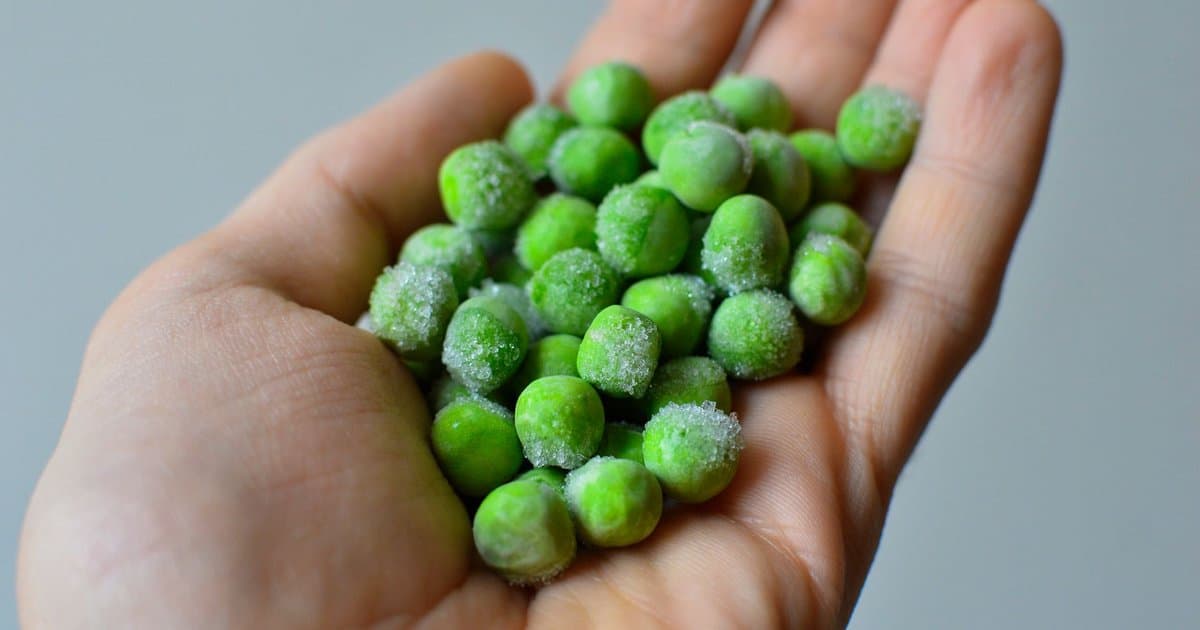
Go colder and the process stops instead. Below about zero degrees Fahrenheit, the water in the crumb is locked into ice and the starch molecules cannot rearrange. That is why the freezer works so well and the refrigerator does not. Freezing is not a compromise here, it is the actual best answer for anything you will not finish in two days. Slice the loaf before you freeze it so you can pull out what you need. Bags that push out the extra air help, because freezer burn is a separate problem. Frozen slices go straight into the toaster with no thawing at all. They come out about as well as day one bread.
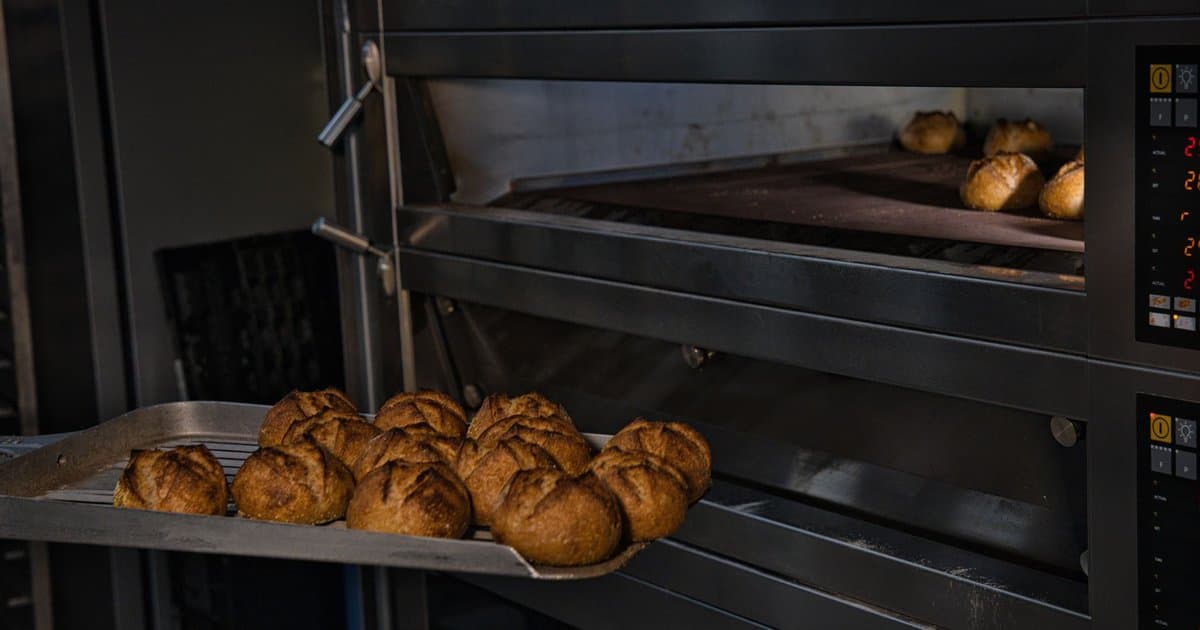
The other useful fact is that staling can be partly undone. Those starch crystals melt when you heat them past roughly 140 degrees Fahrenheit. That is the whole reason a stale roll comes back to life in a warm oven for ten minutes. Toasting does the same thing to a slice, plus it drives off surface moisture and browns the outside. The effect is temporary, and the bread will re-stale faster the second time. So warm what you plan to eat now, not the whole loaf.
Commercial bread lasts longer for reasons that have nothing to do with your kitchen. Bakers add emulsifiers such as mono and diglycerides that get between starch chains and slow them from lining back up. They also use enzymes, mostly amylases, that trim starch molecules so the crystals form less readily. That is why a supermarket sandwich loaf stays soft for a week and a bakery baguette is a rock by tomorrow night. Neither one is cheating. They are built for different jobs.
The crust and the crumb also age in opposite directions, which confuses people. A fresh crust is crisp because it is dry, and a fresh crumb is soft because it holds water. Over the first day water migrates outward from the crumb toward the crust. The crumb firms up while the crust turns soft and leathery, so the loaf gets worse at both ends at once. Wrapping in plastic traps that moisture and speeds up the soggy crust problem. Leaving the loaf open speeds up the dry crumb problem instead. There is no wrapping that solves both, which is why bakers tell you to buy less bread more often.
So the storage plan is short. Keep bread you will eat within two days at room temperature, in paper or a bread box, where the crust can breathe. Plastic keeps the crumb soft but turns a crisp crust leathery, so pick which one you care about. Anything past two days goes in the freezer, sliced, in a sealed bag. Skip the refrigerator entirely unless your kitchen is hot and humid enough that mold is the bigger risk. In that one case you are trading texture for time, and at least now you know you are making the trade.