Picture a carrot in your head right now. It is orange, long, and pointed at the tip. You probably assume it has always looked that way. It has not. For most of human history, the common carrot was purple, and sometimes white, red, or pale yellow. The bright orange root you know today is the newcomer at the table. That is not a myth or a stretch of the truth. It is plain farm history, and the written record backs it up.
Start with the wild plant. The carrot comes from a weedy ancestor with a thin, pale, woody root that tasted bitter and tough. That same wild carrot still grows along roadsides today, and its root is small and stringy. People first grew the tame carrot as food in Central Asia, in the region around what is now Iran and Afghanistan. That was roughly a thousand years ago. The early carrots there were purple and yellow, slender, and often split into forks. Farmers first valued the plant for its leaves and seeds, which smelled sharp and were used like an herb. The fat, sweet root we picture came much later.
From that home base, the purple carrot spread in two directions. It moved west through the Middle East and into Europe, and it traveled east into China and Japan. It reached Spain under Moorish rule and later showed up in English kitchen gardens. Old paintings and seed records from those years show carrots in purple, white, and yellow, not orange. The purple color came from a pigment called anthocyanin, the same one that darkens blueberries and red cabbage. Cooks liked the flavor but not the mess. The purple bled into the pot and stained whatever it touched. A single purple carrot could turn a whole pale stew a murky gray brown.
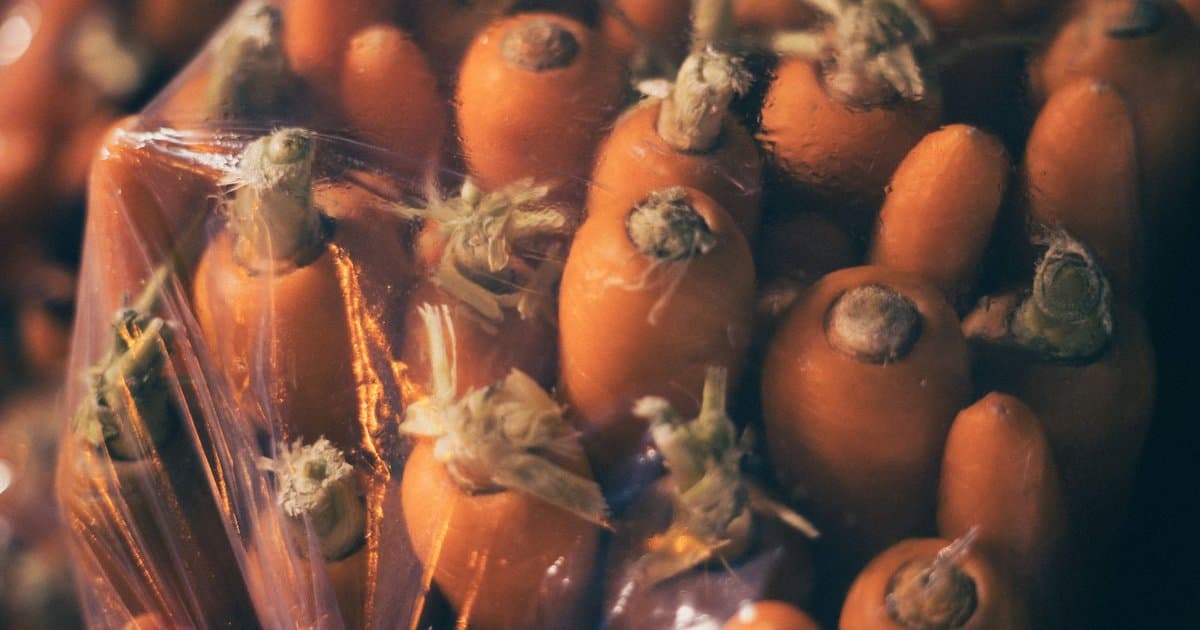
The orange carrot arrived much later, in the Netherlands, during the sixteenth and seventeenth centuries. Dutch growers took yellow carrots and bred them season after season, saving seeds from the sweetest and deepest roots. Slowly the root shifted to a rich, even orange. That color comes from beta carotene, the same compound your body turns into vitamin A. The orange type tasted sweeter, cooked without staining, and held its color on the plate. Dutch still life paintings from the period show these orange roots on the table, which tells us the type was common by then. Growers there were in the middle of a boom in gardening and plant breeding.
A popular story rides along with this change. It claims Dutch farmers turned carrots orange on purpose to honor William of Orange, the leader tied to Dutch independence. It is a neat tale, and people repeat it all the time. Most historians treat it as a later legend rather than a proven fact. What is solid is simpler and less dramatic. The Netherlands is where the orange carrot was made stable and then shipped out to the rest of the world. The patriotic version just stuck because it is tidy and easy to remember.
So why did orange take over the market? It came down to taste, looks, and how well the root traveled. The orange carrot was sweeter and far less bitter than the old purple one. It stored well through winter, cooked clean, and looked bright and friendly on a market stall. Growers kept saving seeds from their best orange plants, and each new crop pushed the trait a little further. Shoppers came to expect orange, and farmers grew what shoppers would buy. Within a couple of centuries, orange was the default that most farms and shops sold. The purple types did not fail as food. They simply lost a long, slow popularity contest.
Purple carrots never truly vanished. Heirloom purple, red, white, and yellow carrots are still grown across Asia, Europe, and the Americas. You can find them again in farmers markets and in the rainbow bags that grocery chains started stocking a few years back. Chefs now use the darker types to add color to a plate on purpose. The colors are not only for looks either. Orange carrots are rich in beta carotene, purple ones carry anthocyanins, red ones hold lycopene, and yellow ones bring lutein. Same vegetable, different mix of plant nutrients depending on the color.
Here is the part worth sitting with for a moment. The carrot you think of as normal is a human invention only a few hundred years old. It is not where the plant started. It is a choice that farmers made and repeated until it felt permanent and natural. A lot of things we treat as timeless work exactly that way. It started as one root among many, and it won on flavor and a bit of luck. The next time you see a purple carrot in the produce aisle, remember that it is closer to the original, and the orange one is the remix.