When a label says the color comes from a natural source, most people picture beets, berries, or some other plant. For one of the most common red dyes on the market, that guess is wrong. The rich red in some yogurts, candies, juices, and lipsticks does not come from a plant at all. It comes from an insect. The dye is called carmine, and it is made by crushing tiny bugs and pulling the color out of their bodies. It is natural, just not in the way the word makes you think.
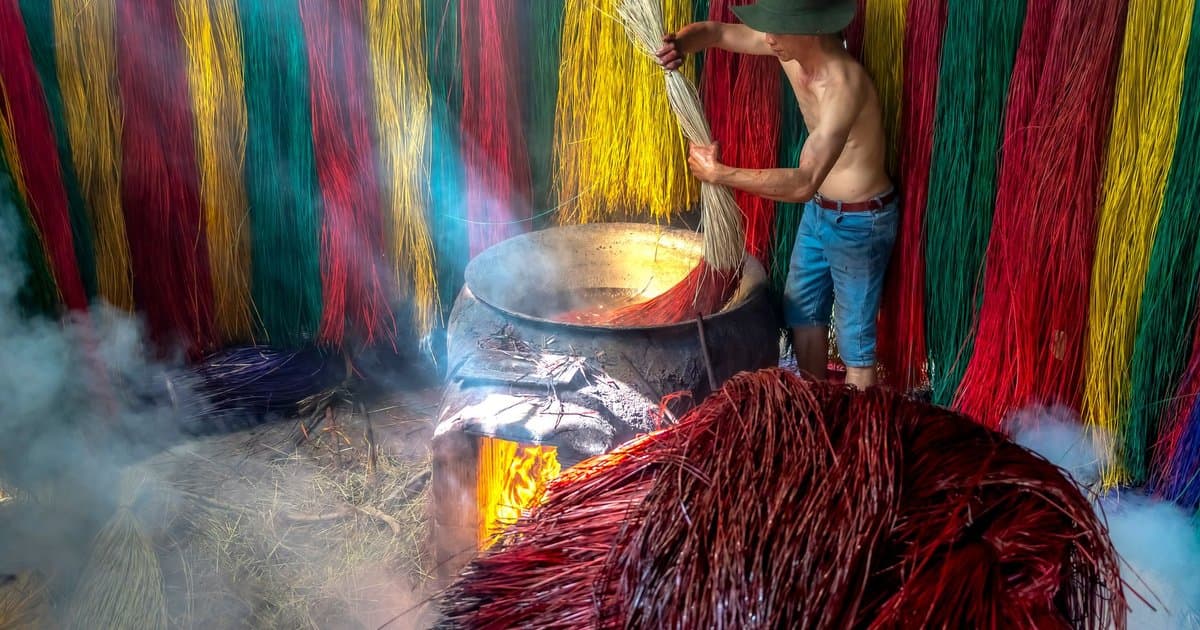
The bug at the center of this is the cochineal. It is a small scale insect, only about a fifth of an inch long, that lives on certain cactus plants. The females are packed with a compound called carminic acid, which is a deep red. That acid is what the insect uses to fend off predators, and it is also what turns your food red. Farmers scrape the bugs off the cactus pads, dry them, and grind them down into powder. The color has been prized for centuries, long before any modern factory existed.
The numbers behind a single batch are hard to believe. It takes around 70,000 dried cochineal insects to produce just one pound of the dye. That is a small mountain of bugs for a small amount of color. Because each insect holds so little, the harvest is slow and the price stays high. The work happens mostly in parts of Latin America where the cactus and the climate suit the insect. A jar of bright red powder on a factory shelf can stand for tens of thousands of tiny lives.
The dye turns up in more products than most shoppers would ever guess. It colors many strawberry and raspberry yogurts, certain candies, some fruit drinks, ice cream, and processed fruit fillings. It also shows up outside the kitchen, in lipsticks, blushes, and other cosmetics. A number of medicines and coated pills use it too. If a red or pink product claims a natural color and does not name a fruit or vegetable, an insect dye is a strong suspect. The color is everywhere once you start looking for the right words.
You can find it on the label if you know the terms to look for. It hides behind several names, including carmine, cochineal extract, carminic acid, and Natural Red 4. In some countries it is listed only as the code E120. None of those names contain the word bug, which is exactly why it slips past most eyes. Regulators require the dye to be named clearly for a reason we will get to in a moment. Learning these few words is the only sure way to spot it on a carton.
There is a health reason the name has to appear at all. In a small number of people, carmine can trigger allergic reactions, and in rare cases those reactions can be severe. Because of that risk, food safety agencies pushed to have it spelled out rather than buried under a vague color claim. For most people the dye is harmless and has been eaten safely for a very long time. Still, anyone with that specific allergy needs to know when it is present. Clear labeling turns a hidden ingredient into an honest choice.
Plenty of people skip carmine on purpose once they learn what it is. Vegetarians and vegans avoid it because it comes from an animal, not a plant. Some religious diets steer clear of insect-based ingredients as well. Others simply prefer not to eat crushed bugs now that they know the source. Makers have started offering versions colored with beet juice or other plant extracts in response. The demand for a true plant-based red keeps growing as more shoppers read the fine print.
None of this means carmine is dangerous or dirty. It is a natural color with a long and honest history, and it works better than many plant dyes because it holds up to heat and light. The point is simply that natural does not always mean what you assume it means. A single word on a label can hide a story you never expected, in this case one that starts on a cactus and ends in your yogurt cup. The more you know about where color comes from, the less a label can surprise you. Read the words, and then decide for yourself.