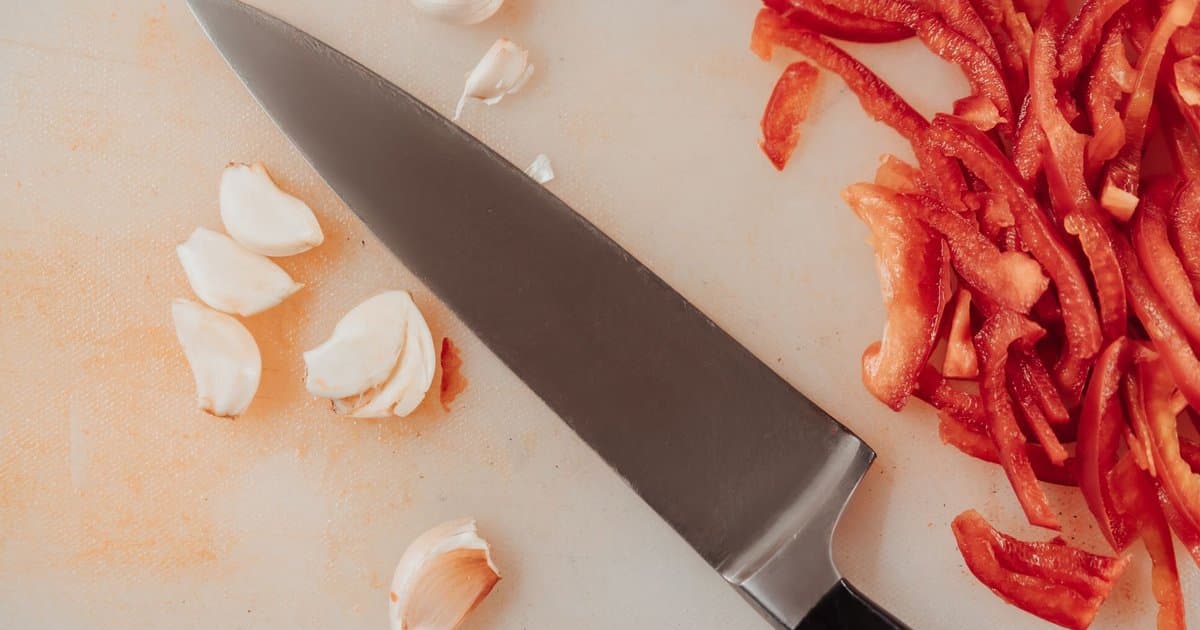
Here is a small kitchen habit that almost no recipe mentions. When you chop garlic, you should let it sit for a few minutes before it hits the heat. Most people do the opposite, mincing a clove and tossing it straight into hot oil. That rush quietly robs the garlic of much of its flavor and its benefit. The reason comes down to a simple reaction that needs a moment to happen. Give it that moment and the same clove works harder for you. Skip the wait and you leave most of the good stuff on the cutting board.
Think about what actually happens when you cut into garlic. A whole clove sits there mild and quiet, holding its power in reserve. Inside, two things are kept apart, an enzyme and a separate compound. When you crush, chop, or mince the clove, you break the walls that divide them. The two meet and react, and that reaction builds a punchy compound called allicin. Allicin is the source of the sharp smell and much of garlic's real character. No cut means no reaction, which is why a whole clove is so gentle.
Now here is the catch that trips people up. The enzyme that drives the reaction is fragile, and heat destroys it fast. If you drop fresh cut garlic into a hot pan right away, you kill the enzyme before it finishes its work. The reaction stalls, and far less allicin ever forms. You end up with garlic that tastes flat and gives you less of what makes it special. The heat is not the enemy on its own, the timing is. Cook it too soon and you cut the process off at the knees.
The fix could not be easier, and it costs you nothing. Chop or crush your garlic first, then let it rest for about ten minutes. During that pause, the enzyme and the compound finish their reaction in peace. By the time the garlic meets the pan, the allicin has already formed. Now the heat can only cook it, not stop it from being made. Ten minutes is plenty, and you can prep the rest of your meal while it waits. That short rest is the whole secret.
How you cut the garlic matters just as much as the wait. The more you break the cells, the more of the reaction you set off. A whole clove barely reacts, a rough chop reacts more, and a fine mince reacts most. That is why minced garlic tastes far stronger than a clove left whole in a stew. If you want a bold hit, crush it and let it sit. If you want a soft background note, keep the pieces large. The knife gives you a dial for how loud the garlic will be.
The flavor payoff is easy to taste side by side. Cook one batch straight after chopping and another after a ten minute rest. The rested garlic comes through fuller, rounder, and more alive on the plate. The rushed batch tastes thinner, like a faint echo of what it could be. Once you notice the gap, you cannot unnotice it. It is the difference between garlic that whispers and garlic that speaks. A tiny habit turns a common step into a real upgrade.
There is a health angle too, though it is worth keeping in plain terms. Allicin is the compound many of garlic's studied benefits are tied to. Letting it form before cooking means more of it survives into your food. This is not a cure for anything, and no single meal will change your health. But if you already cook with garlic, you may as well get the fuller version of it. The rest lets the plant do what it does best. Small choices like this add up quietly over years of cooking.
A few practical notes make this easy to live with. If you roast a whole head of garlic, the rest does not apply, since you never cut the cloves. That is part of why roasted garlic tastes sweet and mellow instead of sharp. Jarred pre minced garlic was cut long ago, so its punch has already faded. Fresh cloves you cut yourself will always beat it on flavor. And if you forget the wait now and then, the meal will still turn out fine. This is a small edge, not a strict rule you must obey every time.
So the next time a recipe says to mince the garlic, add one step of your own. Cut it first, set it aside, and give it ten minutes before it meets the heat. Use that time to chop your onion or warm the pan. The wait asks nothing of you but a little patience. In return you get bolder flavor and more of what makes garlic good for you. It is one of the cheapest upgrades in any kitchen. Chop, wait, then cook, and let the clove earn its keep.