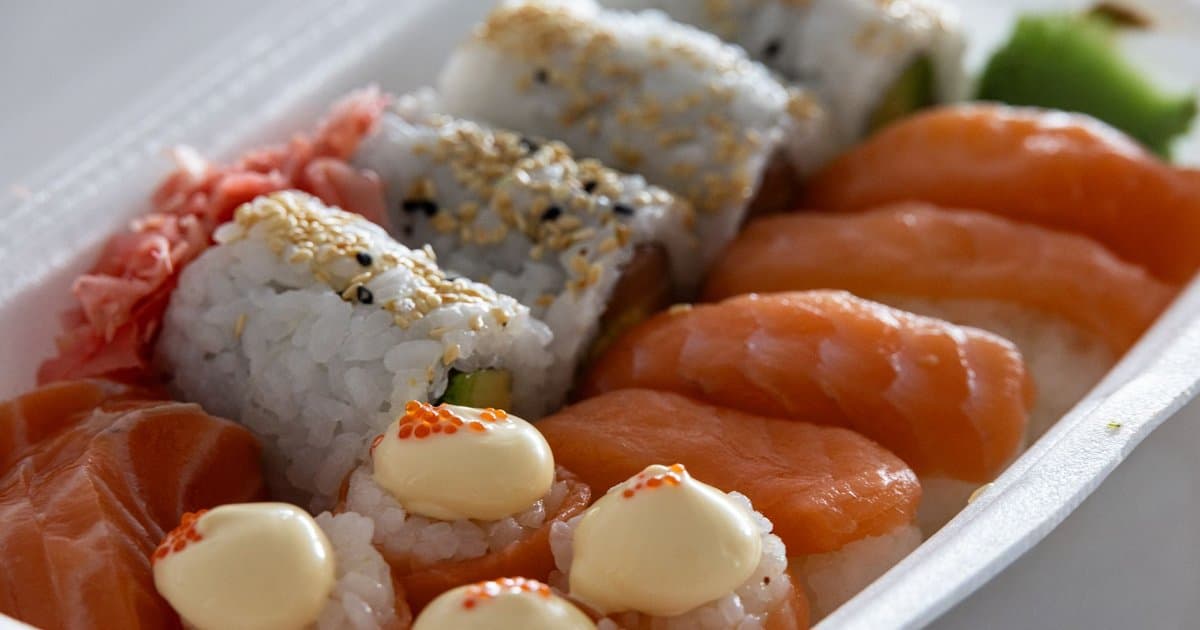
There is a strange fact about rice that a lot of home cooks never hear. Cooked rice that sits out too long can make you sick, and reheating it does not fix the problem. People tend to blame the microwave, or old rice, or the fridge. The real culprit is a bacterium with a stubborn survival trick and a toxin that laughs at heat. It even has a nickname among food safety experts, fried rice syndrome, because takeout fried rice is a classic source. Once you know how it works, you start handling leftovers differently for good.
The bacterium is called Bacillus cereus, and it lives in soil, which means it rides along on uncooked rice all the time. What makes it different from many germs is that it forms spores. A spore is a tough, dormant shell that shrugs off boiling water. So when you cook a pot of rice, the heat kills most ordinary bacteria, but these spores survive just fine. Your fresh, steaming rice looks perfectly clean, and it is, for the moment. The trouble only starts after the pot cools back down. That timing is the whole key to this problem.
Here is the turn. As the cooked rice drops to room temperature, those surviving spores wake up and begin to multiply. A warm kitchen, a pot left out after dinner, a bowl forgotten on the counter, all of it is ideal for them. As the bacteria grow, some of them produce a toxin called cereulide. The longer the rice sits in that warm zone, the more toxin builds up inside it. A pot left out overnight has had many hours to become a real problem. This is why time on the counter, not age in the fridge, is the true risk. Hours of warmth do the damage, not days of cold.
Now the cruel part. Cereulide is heat stable, which means cooking does not break it down. You can microwave the rice until it steams, or toss it into a screaming hot wok, and the toxin comes through untouched. Reheating may kill the living bacteria, but the poison they already made stays right where it was. That is the whole reason this catches people off guard, because we are trained to believe that heat makes food safe. With most bugs that belief is true. With this particular toxin it simply is not.
The illness itself is fast and unpleasant. Symptoms usually hit within 30 minutes to six hours of eating the rice. You get nausea, vomiting, and stomach cramps, and it can be surprisingly intense. For most healthy adults it passes within a day, but it is miserable while it lasts. The speed is actually a clue, because true poisoning from this toxin comes on much faster than the stomach bugs people usually picture. In rare and severe cases, very high toxin levels have caused serious harm, which is another reason not to gamble with it. Children and older adults can be hit harder than most.
This is not some exotic risk that only shows up in headlines. Health agencies estimate this bacterium causes tens of thousands of illnesses a year in the United States alone. Many more cases likely go unreported, because people assume they caught a random stomach bug and never connect it to last night's dinner. Rice is the famous carrier, but the same spore trick applies to cooked pasta and other starchy foods left out too long. Any dish that sits warm for hours can build the same toxin. The pattern is about handling, not about one single food. Cooked potatoes and pasta salads have caused the same illness.
The good news is that prevention is easy and costs nothing. The single most important rule is to cool cooked rice quickly and refrigerate it within about two hours. Spread it out in a shallow container so it chills fast instead of staying warm in a deep pot. Keep it cold, eat it within a day or so, and reheat it thoroughly when you do. If rice has been sitting on the counter for hours, or you honestly are not sure how long, throw it out. That small decision is a lot cheaper than a night spent sick. When in doubt, the trash can is the safe choice.
The lesson here flips a habit most of us never question. We think the risky moment is the reheating, when it is really the sitting out. Heat at the end cannot undo what warmth in the middle already created. Treat cooked rice like something on a clock, and the whole problem mostly disappears. Get it cold fast, keep it cold, and do not let a pot linger just because the kitchen is busy. Your leftovers can be perfectly safe to eat. They just need you to respect the timeline.