You board healthy, you land stuffy, and by day two you are fighting a cold. It happens often enough that most travelers treat it as a rule of flying. The usual suspect is the air, that vague sense that a plane just recycles everyone's germs. It is a tidy story and almost everyone believes it. It is also mostly wrong. The real reasons you get sick are drier and closer to your seat than the air system. Once you know them, you can actually do something about it.
The myth goes like this. A sealed metal tube pumps the same stale air in circles for hours. Every cough from every row ends up back in your lungs eventually. By the time you land, you have breathed a shared soup of whatever anyone brought aboard. It sounds right because the cabin feels closed and crowded. The feeling is real, but the science does not back the fear. Modern cabin air is not the villain people assume it is.
Here is what actually happens with the air. Most planes mix fresh outside air with air passed through hospital grade filters. Those filters, called HEPA, trap the large majority of bacteria and virus particles. The cabin air gets fully swapped out many times an hour, far more often than a normal room. Air also tends to flow in sections from above to below, not in long sweeps up the aisle. On the whole, the air near your face is cleaner than the air in most offices. The system is doing its job better than its reputation suggests.
So what is making you sick? Start with how dry the cabin gets. At altitude the humidity drops to levels close to a desert, often below twenty percent. Your nose and throat rely on a thin layer of moisture to catch and clear germs. When that layer dries out, your first line of defense stops working well. A virus that would normally get trapped now slips right through. Hours of dry air leave you open long after you land.
Next look at the things you touch, not the air you breathe. Tray tables, seatbelt buckles, armrests, and lavatory handles get used by hundreds of people. They rarely get a deep clean between quick turns at the gate. A germ can sit on a hard surface for hours waiting for the next hand. You touch the tray, then your face, and the trip is complete. This is the quiet path most people never think about. Your hands do far more damage than the vents ever could.
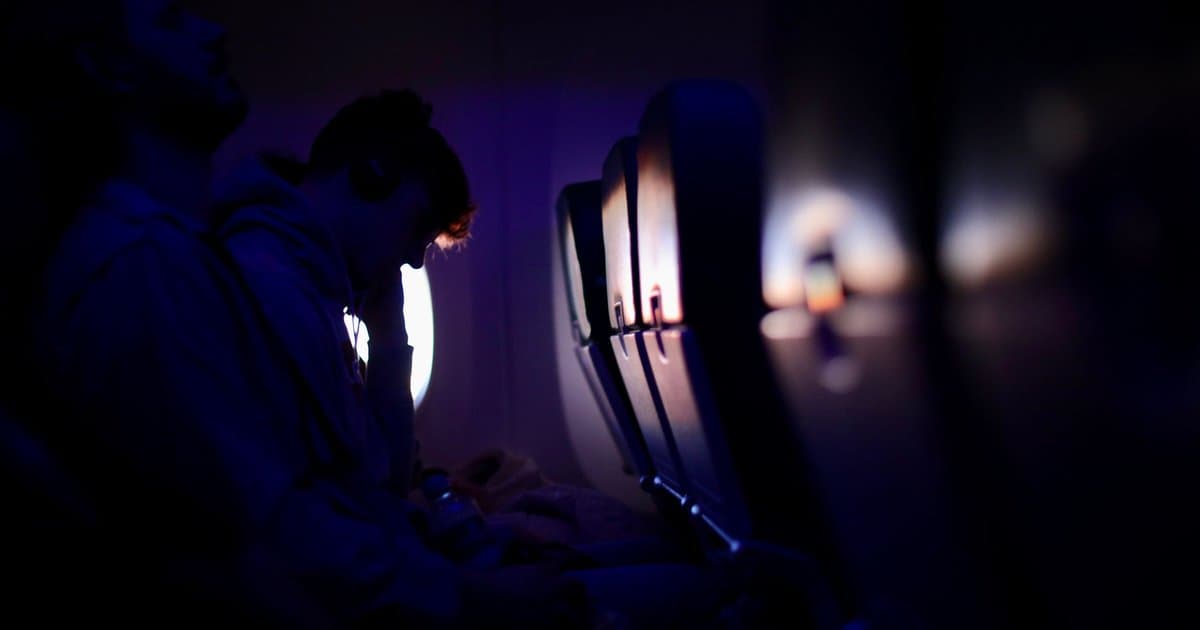
Then there is simple closeness. You sit inches from strangers for hours with little room to move. If someone within a row or two is sick, their coughs and sneezes reach you the old fashioned way. That has nothing to do with the filters and everything to do with distance. Being packed in tight is its own kind of exposure. The longer the flight, the more time that closeness has to work against you. Proximity, not the air system, is the risk that rides beside you.
The good news is that the real causes have simple answers. Drink water before and during the flight to keep your defenses moist. Skip the extra alcohol and coffee, since both pull water out of you. Wipe down your tray table, armrest, and buckle with a sanitizing cloth when you sit down. Keep your hands away from your eyes, nose, and mouth until you can wash them. Open the overhead vent and aim it just in front of your face, which can help push stray particles away. Small habits beat blaming the airplane.
It is also worth thinking about the whole journey, not just the flight itself. The airport does plenty of the damage before you ever reach your seat. You touch shared kiosks, handrails, and bins at security along with thousands of other travelers. You stand in tight lines and sit in crowded gate areas for an hour or more. By the time you board, you may have already met the germ that gets you. Long travel days also wear you down, and short sleep weakens your defenses further. Stress, dry air, and odd meal times all pile on top of each other. The flight gets the blame, but the trip started working against you at the curb.
None of this means flying will never leave you sniffly. It means the cause is not the mystery most people assume. The air moving through the cabin is filtered and swapped more than you would ever guess. The dryness, the surfaces, and the close quarters are what actually get you. Those are the things you can guard against with a bottle of water and a wipe. Blaming the vents feels easy, but it points you at the wrong fix. Aim your habits at the real causes and you land in better shape.