Most students reach for a laptop in class because typing is faster, and faster feels better. You can capture nearly every word a teacher says, which seems like the whole point of taking notes. Yet study after study has found that people who write notes by hand tend to remember and understand more than people who type the same lecture. That sounds backward until you look at what is actually happening in each case. The advantage of handwriting has very little to do with the writing itself and almost everything to do with what your brain is forced to do while you write. Once you see the mechanism, the gap makes sense.
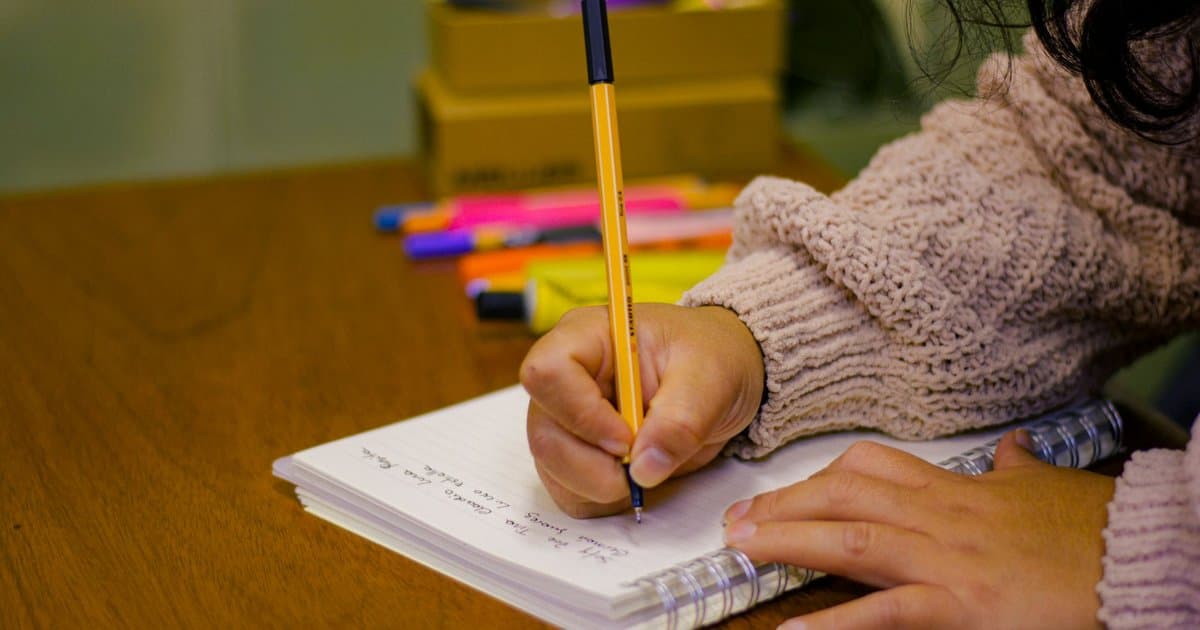
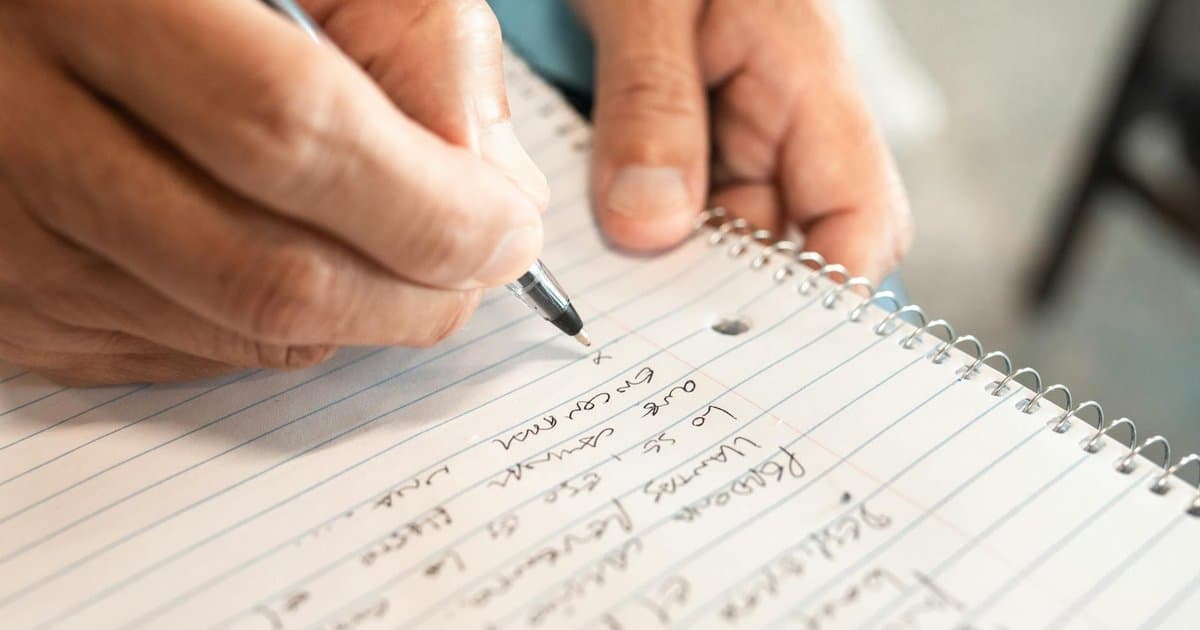
The core reason is that typing lets you keep up, and keeping up is the problem. When you can type as fast as someone talks, you slip into transcription mode, copying words straight from ear to screen without thinking about them. Your brain becomes a pass through pipe and the meaning never really stops to register. Handwriting is slower, so you physically cannot capture every word. That limit forces you to make decisions in real time about what matters, how to shorten it, and how to phrase it in your own words. Those decisions are the actual work of learning, and they happen automatically when your pen cannot keep pace.
This is why handwritten notes often look messier and contain fewer words, yet lead to better recall. To shorten a sentence you have to understand it first, which means you are processing the idea instead of just recording it. You decide that three sentences from the teacher can become one short line, and making that judgment plants the idea more firmly. You invent your own shorthand, draw a quick arrow between two concepts, or box the thing that seemed important. Each of those small acts is a tiny moment of comprehension. A laptop transcript may be more complete, but completeness is not the same as understanding, and a perfect record you never processed helps less than a rough one you thought through.
There is a second effect worth knowing about, and it involves the physical act of forming letters. Writing by hand engages motor memory and spatial memory in a way typing does not, because every letter is a different movement and every page has a layout you create. You remember that a key idea sat in the top corner, or that you underlined it twice, and those physical anchors give your memory more to grab onto later. Typed notes all look the same, uniform rows of identical characters with no shape to them. The variety in handwriting, the size of a word, the space around it, the little drawing in the margin, becomes part of how you recall the material. Your brain files the information with extra tags attached.
None of this means laptops are useless, because they have real strengths in the right setting. For drafting long documents, organizing research, or any task where you will revise heavily, typing wins easily. The point is narrower and more useful than a blanket rule. When the goal is to learn and remember new material as you hear it, slowing down and writing by hand pays off. If you must use a laptop, you can recover some of the benefit by forcing yourself to summarize rather than transcribe, closing the gap on purpose. You can also review and rewrite typed notes by hand afterward, which adds back the processing step you skipped. The method matters less than whether your brain is actually working with the ideas.
The lesson reaches beyond the classroom. Anytime you want to truly absorb something, a meeting, a book, a training session, the same principle holds. Capturing every word is not the goal, and the tools that make capture easy can quietly make learning harder. Effort is not a flaw in the system, it is the system. The friction of handwriting is doing useful work, forcing you to choose, condense, and understand. So when the material really matters, pick up a pen, write less, and remember more.