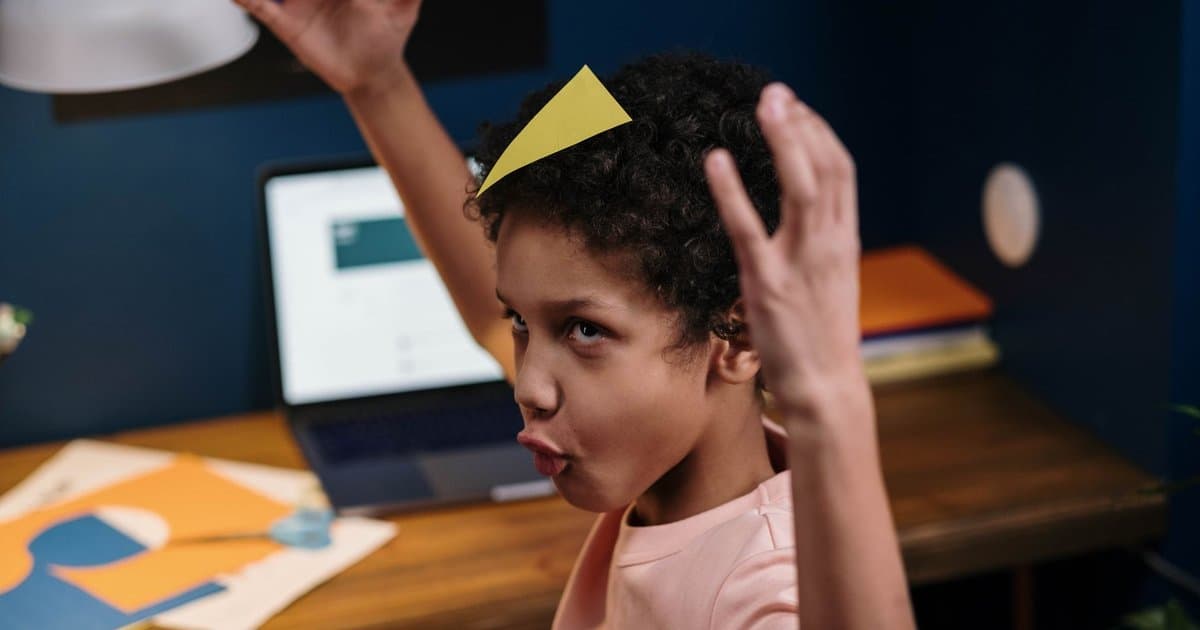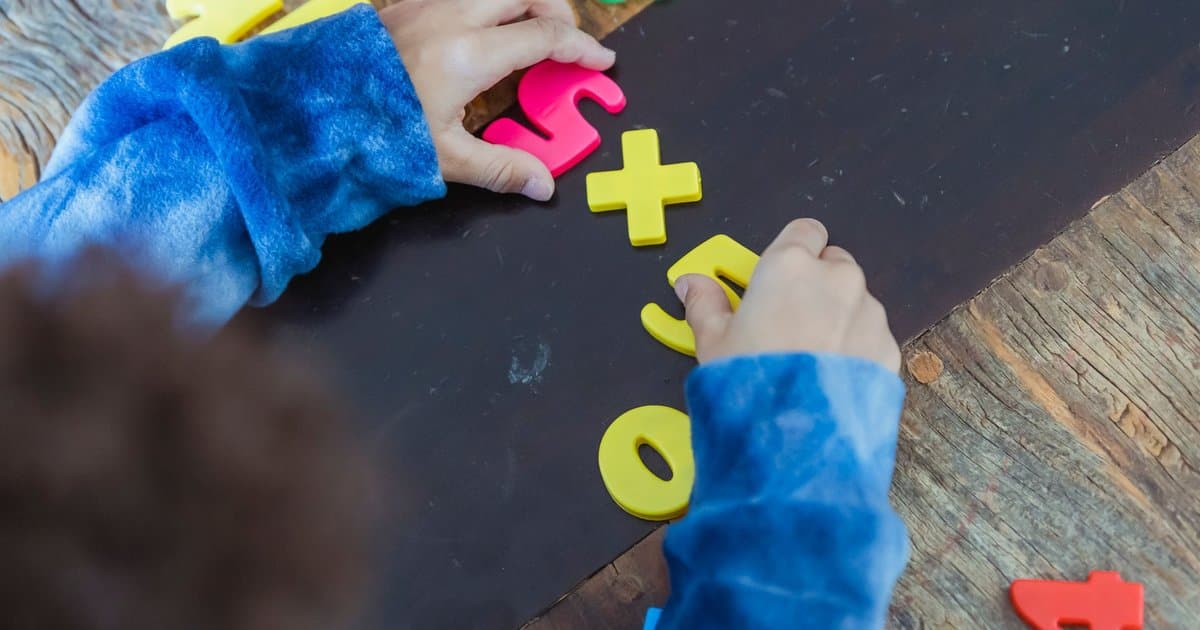
When a young child falls behind in math, it is easy to shrug it off as a phase. Reading gets most of the attention in the early grades, and math is often treated as something a kid will grow into later. The trouble is that math does not work like that. It is one of the most cumulative subjects a child will ever study, which means each new idea is built directly on the ones that came before. A student who never truly understood place value will struggle with regrouping, then with fractions, then with everything that leans on fractions. A gap that looks tiny in second grade can widen into a canyon by middle school.
The reason comes down to how mathematical knowledge stacks. You cannot understand division without a solid grip on multiplication, and you cannot make sense of algebra without comfort with fractions, ratios, and negative numbers. Each layer assumes the one beneath it is stable. When a child misses a foundational concept, they do not simply lose that one topic. They lose the ability to fully grasp everything that depends on it, and they start spending their mental energy compensating instead of learning. This is why a student can seem to be trying hard and still fall further behind, since effort cannot substitute for a missing foundation.
There is a psychological cost that compounds the academic one. Children are quick to decide who they are, and a string of confusing math lessons can convince a kid that they are simply not a math person. That belief is one of the most damaging ideas in education, because it turns a fixable skill gap into a fixed part of a child's identity. Once a student believes they cannot do math, they stop engaging, avoid practice, and interpret every struggle as proof they were right. Math anxiety is real and measurable, and it can crowd out the very working memory a child needs to solve problems. The fear itself makes the math harder, which deepens the fear.
The long term stakes are higher than a single report card. Math proficiency in the middle grades is one of the stronger predictors of whether a student graduates high school and what doors stay open afterward. Algebra in particular acts as a gatekeeper, since passing it on time is linked to college readiness while failing it repeatedly pushes many students off the academic track entirely. Whole fields, from nursing and the trades to finance and engineering, quietly require a level of comfort with numbers that traces back to those early years. A child who is counted out of math early is often counted out of options they have not even heard of yet. The cost is not just a grade, it is a narrowing of the future.
The encouraging news is that early gaps are far more fixable than later ones, which is exactly why the elementary years deserve attention. A child who is struggling usually has a specific missing piece rather than a general inability, and finding that piece is the whole job. Sometimes it is place value, sometimes it is number sense, sometimes it is simply never having memorized basic facts to the point where they come automatically. When those facts are not automatic, a child burns so much effort on the small steps that they cannot follow the big ones. Targeted practice on the exact weak spot tends to work better than piling on more of everything at once.
Parents have real influence here, and much of it has nothing to do with being good at math themselves. The single most powerful thing an adult can do is refuse to pass along the idea that math is scary or that some people just cannot do it. Talking about numbers in everyday life, through cooking, money, scores, and time, keeps math from feeling like a strange subject trapped inside a classroom. Praising effort and strategy rather than speed teaches a child that math is something you work at, not something you either have or lack. When a child gets stuck, staying calm and curious sends a very different message than frustration does. The goal is to keep the door open long enough for understanding to catch up.
None of this requires expensive tutoring or advanced knowledge, though extra help can matter when a gap has grown wide. What matters most is catching the struggle early, naming the specific missing skill, and protecting a child's belief that they can learn it. Teachers, families, and kids all do better when a small gap is treated as a solvable problem instead of a verdict. The years when a child forms their relationship with numbers are short, and they shape decades of choices that follow. Paying attention during that window is one of the highest return investments a family can make, and it costs mostly patience and time.