Somewhere off the north coast of Scotland, there is a flight so short it is over before it feels like it began. It connects two small islands in the Orkney group, Westray and Papa Westray. The scheduled time in the air is about ninety seconds. On a good day with the right wind, the plane has made the crossing in under one minute. The record is somewhere near fifty three seconds, from wheels up to wheels down. That is shorter than the time it takes to read this paragraph out loud twice. It is the shortest scheduled passenger flight in the world. And people take it every single day.
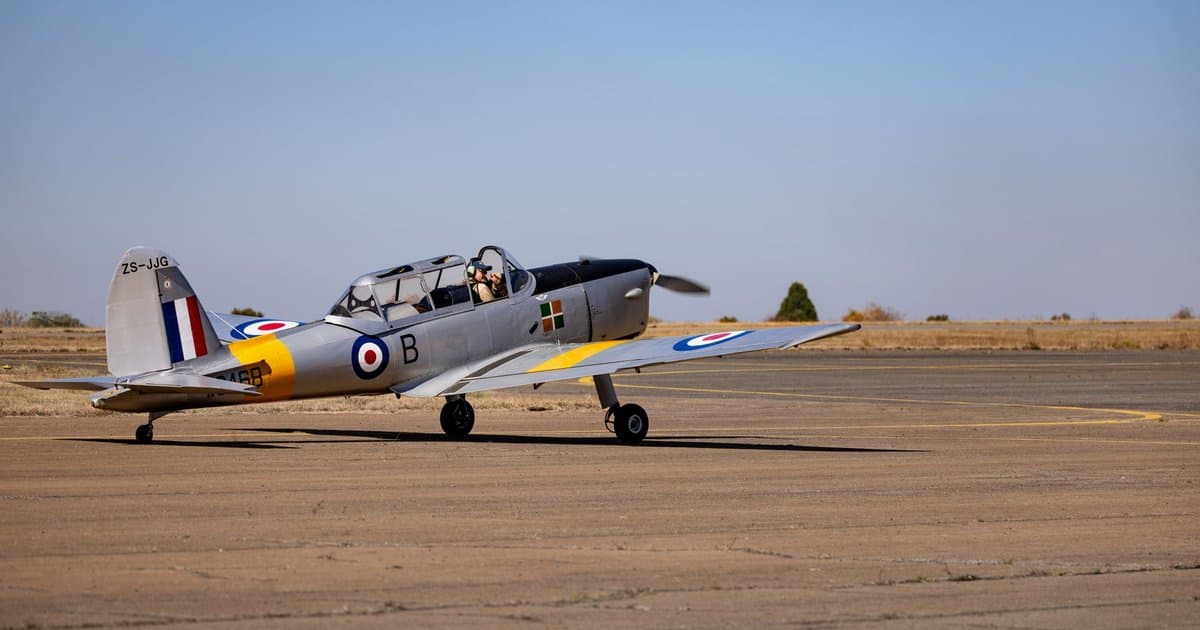
The numbers behind it are hard to believe at first. The two islands sit only about one and a half miles apart. The plane covers roughly two point seven kilometers of open water and coastline. It flies low the entire way, since there is no reason to climb high for a trip this short. The aircraft is a small eight seat Britten Norman Islander, a workhorse of remote island travel. There is no drink service, no safety video, and barely time to settle into the seat. The pilot points the nose across the water, lifts off, and starts the descent almost at once. The whole thing feels less like a flight and more like a hop.
The obvious question is why this flight exists at all. The answer is that the sea in this part of the world does not make life easy. Ferries connect the islands, but the crossings are slow and often at the mercy of rough weather. A boat trip that should be simple can turn long and miserable when the North Atlantic acts up. For the people who live here, the plane is not a novelty, it is a lifeline. It carries mail, supplies, medical cases, and residents who need to reach the larger island. A ninety second flight can replace a journey that takes hours by other means. Distance on a map does not tell you how hard a place is to reach.
Papa Westray is one of the smallest inhabited islands in the chain. Only a few dozen people live there year round. The island has ancient history baked into its soil, including some of the oldest known houses in northern Europe. Getting doctors, teachers, and goods to a place like this is a daily puzzle. The short flight is one clean answer to that puzzle. It ties a tiny community to the services it needs to keep going. Without the link, staying on the island would be far harder than it already is. Small flights like this one hold remote life together.
The route has become a quiet tourist draw over the years. Travelers come from around the world just to say they took the shortest flight there is. The airline hands passengers a certificate to mark the trip. For plane fans and record chasers, it is a small trophy that fits in a pocket. The pilots who fly it treat it as ordinary work, because for them it is. They may run the same short hop many times in a day. What feels like a bucket list moment to a visitor is just the morning commute to a local. That gap between wonder and routine is part of the charm.
There is something worth sitting with in a flight this brief. We tend to measure travel by distance and hours, as if longer always means more. This tiny crossing flips that idea on its head. A trip can be ninety seconds long and still matter enormously to the people who depend on it. Size is not the same as importance, and short is not the same as small. The shortest flight in the world does a job that a much longer one never could. It proves that value is about need, not length. Sometimes the biggest difference comes from the smallest distance.