Few small kitchen habits split people the way rinsing rice does. One camp rinses every grain until the water runs clear, sure that skipping it ruins the pot. The other camp pours rice straight from the bag, certain that rinsing washes away good things. Both groups cook rice they are happy with, which only deepens the standoff. The odd truth is that neither side is fully right or fully wrong. What rinsing does depends on the kind of rice and the dish you are making.
Start with the thing rinsing removes, because that is the whole story. Rice grains are coated in loose surface starch, picked up from milling and from rubbing together in the bag. That fine starch is what turns cooking water cloudy and white. Left in the pot, it makes grains cling and turn a little gummy as they cook. Rinse it off and the grains cook up looser, drier, and more separate. So at its core, rinsing is a choice about texture more than anything else.
That is why the right move flips depending on what you want on the plate. For long grain rice like basmati and jasmine, most cooks want light, separate, fluffy grains. Rinsing those until the water runs mostly clear helps you get exactly that. For a creamy dish, the opposite is true and the starch becomes your friend. Risotto and paella rely on that released starch to build their signature richness, so you never rinse the rice. Match the habit to the dish and the debate mostly dissolves on its own.
There is a health angle that gives rinsing a second, quieter reason to exist. Rice draws a natural element called arsenic from the soil and water it grows in. It happens to collect more of it than most other common crops, simply because of how it grows. Rinsing rice before cooking, then cooking it in extra water and draining the rest, can lower those levels by a modest amount. This is not cause for panic, since a varied diet keeps any single food in check. For households that eat rice most days, though, the small reduction is a fair reason to rinse.
Now for the twist that surprises the rinse-every-time crowd. In some countries, including much of the packaged white rice sold in the United States, the grains are enriched. Makers coat them with nutrients like iron, folate, and thiamin to add back what milling strips out. Those added nutrients sit on the surface, which is the exact spot a hard rinse washes away. That is why some enriched rice boxes actually tell you not to rinse before cooking. It is a real trade, texture and a little arsenic against a few added nutrients. Checking the package settles which rule applies to the bag in your hand.
Rinsing also earns its keep for a plain, old fashioned reason, cleanliness. Rice travels far, sits in bins, and passes through many hands before it reaches your kitchen. Bulk rice and some imported bags can carry dust, tiny stones, or bits of chaff. A quick rinse floats that debris away and leaves the grains cleaner to cook. For rice from a sealed, enriched box this matters less, since it is processed and packed tightly. For rice scooped from an open bin, a rinse is cheap insurance against grit in your dinner.
So the honest answer is that there is no single rule that fits every pot. Rinse long grain rice when you want fluffy, separate grains, and rinse most bulk rice for cleanliness. Skip the rinse for risotto and paella, where the starch is doing important work. Read the label on enriched rice, and follow its guidance rather than a habit you inherited. If arsenic is on your mind, rinse and cook in extra water, then drain what is left. The right choice is the one that fits the grain and the meal, not a blanket law.
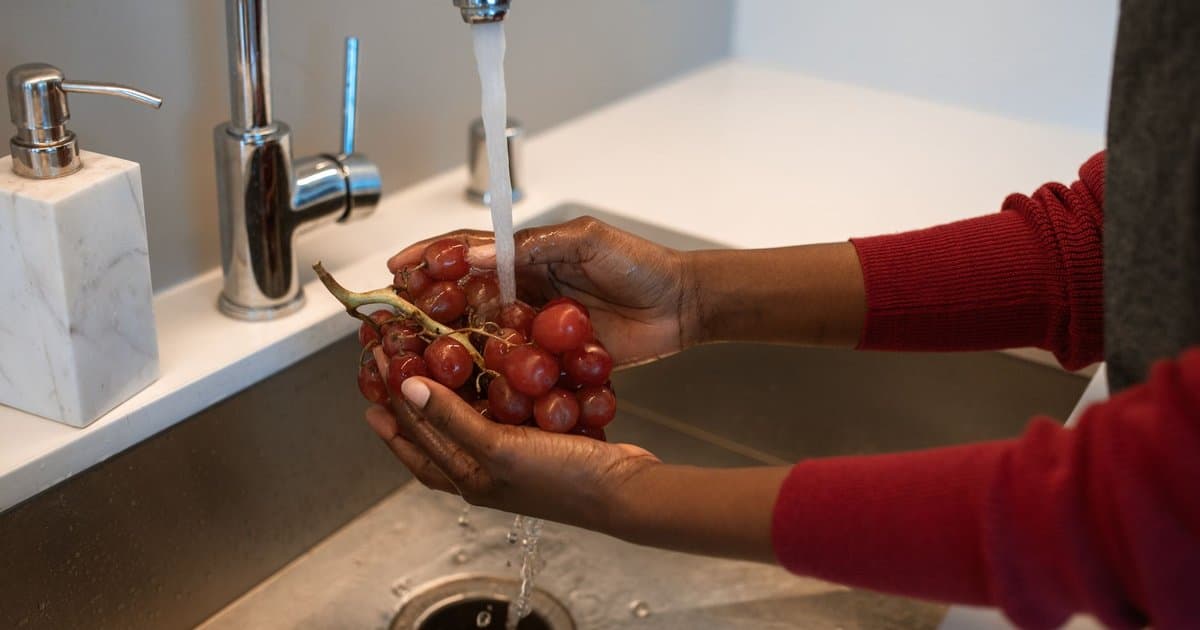
If you do decide to rinse, the method is simple and quick. Put the rice in a bowl, cover it with cool water, and swirl it with your hand. Pour off the cloudy water and repeat two or three times until it runs much clearer. A fine mesh strainer works just as well and drains a little faster. There is no need to chase perfectly clear water, since a few passes handle most of the loose starch. The whole job takes about a minute and asks for nothing you do not already own.
The mistake is treating rinsing as a fixed rule you must always follow or always ignore. It is a tool, and like any tool it fits some jobs and not others. Once you know it is mostly about texture, with a small nod to arsenic and cleanliness, the choice gets easy. Picture the dish you want, glance at the bag, and decide from there. Fluffy pilaf and creamy risotto ask for opposite handling, and now you know why. Cook the rice the way the dish and the grain actually call for, and let the old argument rest.