You order a steak medium rare and nobody blinks. You ask for a burger cooked the same way and a careful cook will pause. It seems inconsistent at first, since both are just beef. But there is a real reason a pink burger carries a risk that a pink steak does not, and it is worth knowing before your next cookout. The difference is not about quality or snobbery. It is about food safety, and the stakes are higher than most people think.
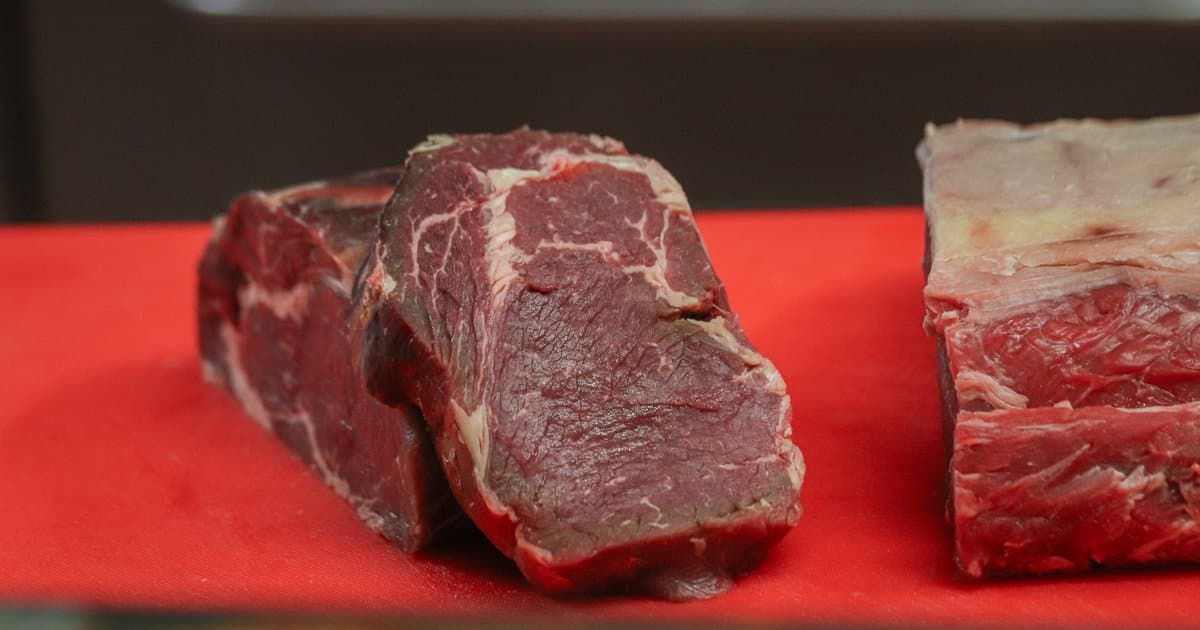
Start with where harmful bacteria actually live on beef. On a whole cut of meat, germs like E. coli and others sit on the outside surface, not deep inside. The inside of an intact muscle is essentially sterile until a knife or grinder reaches it. That is why searing the outside of a steak is enough to make it safe. The heat hits exactly where the bacteria are, right on the surface, and kills them. The rare center is fine because nothing dangerous was ever there.
Grinding beef changes the whole picture. When meat is ground into burger, the surface where the bacteria lived gets mixed all the way through. What was once a thin layer of risk on the outside is now spread evenly across the entire patty. Bacteria that would have been burned off on a steak are now sitting in the pink middle of your burger. A quick sear no longer reaches them, because they are no longer only on the surface. That is the core of why a burger and a steak are not the same gamble.
The danger here is not just an upset stomach. Certain strains of E. coli can cause violent illness, and one type can lead to kidney failure in serious cases. Young children, older adults, pregnant women, and anyone with a weak immune system face the worst outcomes. A single undercooked patty has been enough to send people to the hospital. Ground beef has been behind many of the large outbreaks you hear about in the news. This is a real risk, not a scare story, and it deserves respect at the grill.
The fix is refreshingly simple, and it comes down to one number. Ground beef should reach an internal temperature of one hundred sixty degrees Fahrenheit. At that heat, the bacteria spread through the patty are reliably killed. Color is not a safe guide, since a burger can turn brown before it is truly done and can stay pink after it is safe. The only way to know for sure is a meat thermometer pushed into the center. It costs very little and it removes all the guessing.
The whole steak stays in a different category for the same reason. Because the inside of a solid cut was never exposed, a good sear on the outside handles the risk. That is why a rare or medium rare steak is widely considered safe to eat. The one warning is meat that has been pierced, tenderized with blades, or injected, since that can carry surface bacteria inward. For a plain, intact steak, though, the rules that scare us away from pink burgers simply do not apply. The cut and the grind are two different worlds.
A few simple habits close the remaining gaps. Keep raw ground beef cold until it hits the grill, since warmth lets bacteria multiply fast. Wash your hands, boards, and tools after they touch raw meat so nothing spreads to other food. Never put a cooked burger back on the plate that held it raw. If you are cooking for young kids or older relatives, be especially strict about that center temperature. These steps take seconds and they protect the people at your table.
So enjoy your steak however you like it, and treat your burger with a little more care. The reason is not fussiness, it is the simple fact that grinding moves the bacteria from the surface to the center. That one change is why a pink patty can make you sick when a pink steak will not. Cook ground beef to one hundred sixty degrees, use a thermometer instead of your eyes, and keep raw meat clean and cold. Do that and you get all the flavor with none of the gamble. Your next cookout is worth getting right.