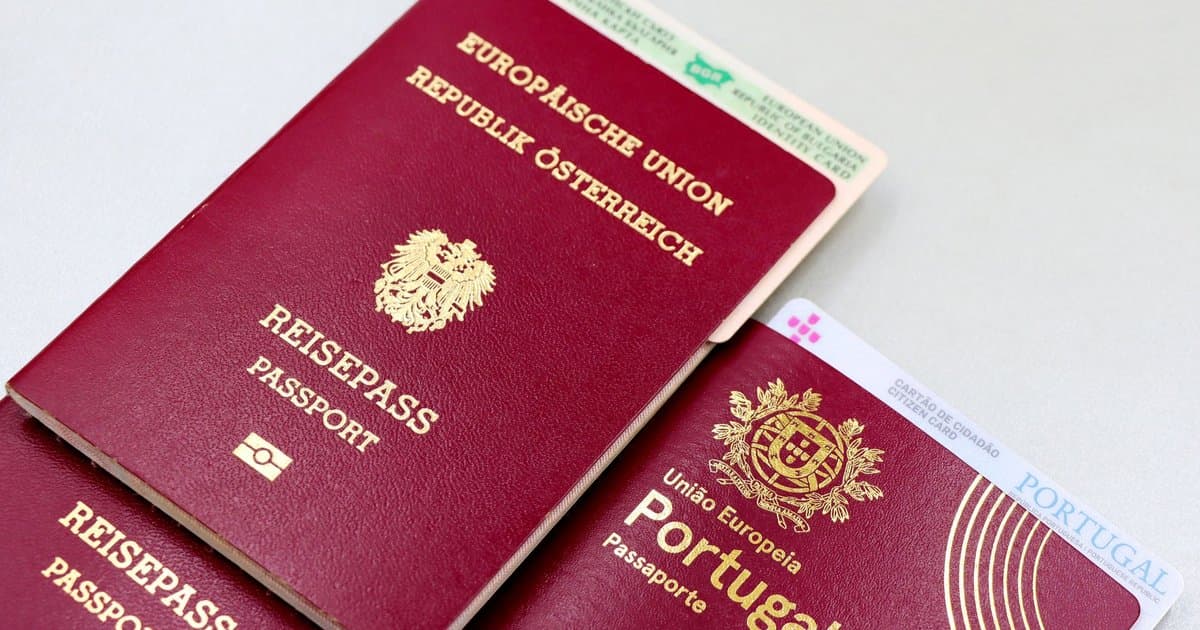
Your passport has an expiration date printed right on the photo page, and it is easy to assume that date is the only thing that matters. As long as the day has not passed, you figure you are cleared to fly. That assumption strands travelers at the airport every single day. People show up for a long awaited trip with a passport that is still valid, only to be turned away before they ever reach the plane. The reason is a rule that few people are warned about until it is too late. It is worth knowing long before you pack.
Most of the world runs on what is called the six month rule. A large number of countries will not let you in unless your passport stays valid for at least six months beyond the date you plan to arrive or leave. So a passport that expires in four months can be useless for a trip next week, even though the date on it is still in the future. The clock they care about is not today. It is the gap between your travel and the day your passport runs out. If that gap is too small, the trip is off.
There is a logic behind the rule, even if it feels unfair. Countries do not want visitors whose documents expire while they are still inside the border. If your passport lapses mid trip because of a delay, an illness, or an emergency, you become a hard problem for that government to solve. The six month cushion is their way of making sure you always have a valid document to travel home on. It protects them from being stuck with a stranded foreigner. Once you see it that way, the buffer makes sense.
The tricky part is that the rule is not the same everywhere. Many countries want the full six months, but others ask for three months past your departure. A number of places only require that your passport be valid for the length of your stay. Rules also shift depending on your nationality and the exact country you are entering. This is why you cannot rely on one blanket answer or on what a friend did last year. You have to check the current rule for your specific destination before you book.
Expiration is not the only trap, either. Plenty of countries require blank pages in your passport for their entry stamp or visa. If every page is already covered in stamps from past trips, you can be refused entry even with years left on the document. Some destinations ask for two fully blank pages, not just a little open space. A frequent traveler can run out of room long before the passport expires. Checking your page count is just as important as checking the date.
It also helps to understand who actually enforces all of this. The airline checks your passport at the counter, not just the country you are flying to. Airlines do this because they face heavy fines if they carry a passenger who is then refused entry, and they must fly that person back at their own cost. To avoid that risk, they simply deny boarding to anyone whose passport does not clearly meet the rules. So the wall you hit is often the check in desk, hours before you would have reached a border officer. The gate agent is the one who ends the trip.
Condition matters more than people expect as well. A passport that is torn, water damaged, or has a loose cover can be treated as invalid at the border. Officers need to trust that the document is real and unaltered, and heavy damage breaks that trust. A passport that went through the wash or has a chewed corner can be waved off even if all the information is readable. Water can also ruin the chip inside modern passports. If yours is in rough shape, it is safer to replace it before a big trip.
The fix for all of this is simple, and it is mostly about timing. Look at your passport now, not the night before you leave, and do the math on the six month rule for where you are going. Count your blank pages and check the condition while you are at it. If anything is short, renew early, because processing can take weeks or longer during busy seasons. A renewed passport removes every one of these risks in one step. A few minutes of checking today can save a trip you have been planning for months.