You check into a hotel, spot the small safe in the closet, and feel a little wave of relief. Passport, spare cash, a nice watch. You punch in a code, hear the bolt slide shut, and walk out feeling covered. That feeling is the problem. The in room safe is built to look secure and to calm you down. Whether it actually protects your valuables is a very different question, and the answer is not comforting.
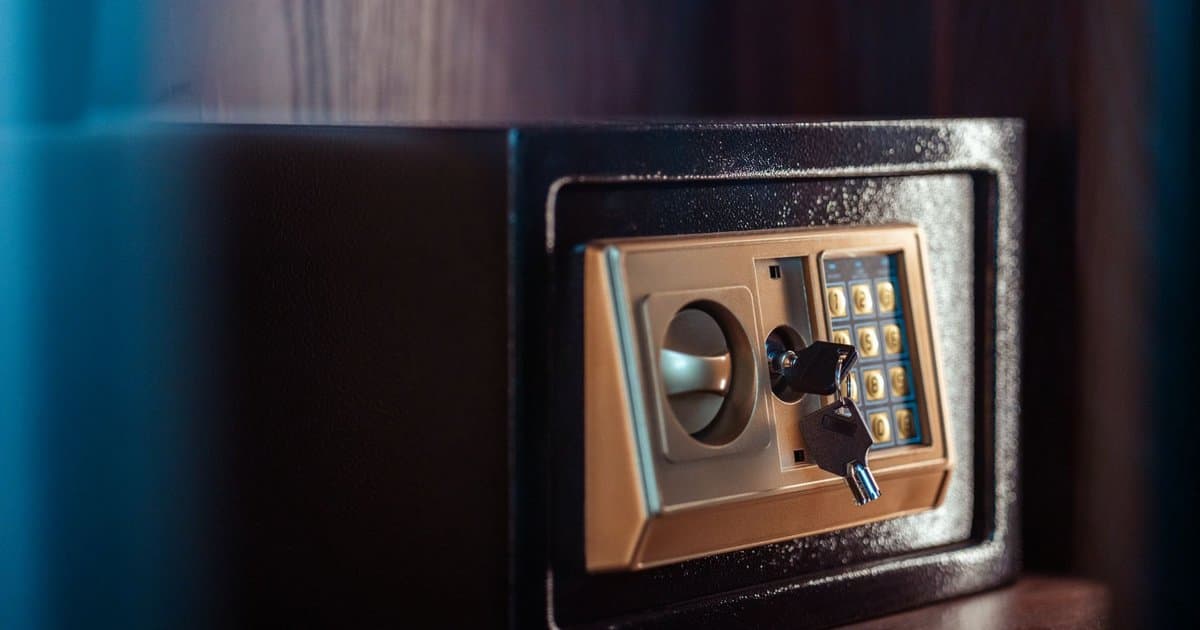
Start with the locks themselves. Most in room safes are made to be opened by staff, because guests forget their own codes every single day. That means nearly all of them ship with a built in override. Many arrive with a factory default like 0000, 1234, or 9999, and a surprising number of hotels never change it. Try locking your safe with your own code, then punching in four zeros. In more rooms than you would ever guess, the door pops right open.
Even when the default is changed, someone always has a way in. Housekeeping and maintenance carry master codes or physical override keys, so a locked out guest is never stuck for long. That is a reasonable policy for a hotel to run. It is also a plain reminder that the box is not sealed against the people who work there. Anyone with access to the override has access to your things. You are trusting a system and a staff, not a vault.
The safe is only as strong as how it is mounted. Many are bolted to a shelf with a few small screws, and some are barely fixed at all. A determined thief does not need to crack the code. They can unscrew the whole unit, or in the lighter cases simply pick it up and carry it out. A box that can leave the room is not really a safe. It is a suitcase for your valuables with a lock that slows almost no one down.
Here is the part that catches people off guard. If something goes missing, the hotel may owe you far less than you expect. Many places operate under old innkeeper laws that cap how much they must pay for lost property. Those same laws often say the cap only lifts if you stored your valuables in the hotel's official safe at the front desk. The convenient box in your closet may not count for that. So the in room safe can leave you both robbed and unprotected on paper.
This is why the front desk safe deposit exists, and why it is worth using for the items that truly matter. When you hand something over there, you usually get a receipt and a paper trail. That record changes the legal picture and gives you a real claim if things go wrong. It is less convenient, of course. You cannot grab your passport at midnight without asking someone. For anything you genuinely cannot afford to lose, that tradeoff is almost always worth making.
None of this means you should travel scared. It means you should match the tool to the risk. Use the in room safe for low stakes convenience, a phone charger, a bit of cash, a paperback book. Keep your passport on you or in the front desk safe instead. Photograph your valuables and write down serial numbers before you ever leave home. Split your cash and cards across a couple of spots rather than one. Small habits like these beat any single lock.
The in room safe is not useless. It stops a casual snoop and it deters the lazy hand. What it does not do is live up to the calm that it sells you. It is a deterrent dressed up as a vault, wrapped in laws that may not have your back. Once you see it that way, you stop handing it the things you would be sick to lose. The safest move on any trip is knowing exactly how much protection you actually have.