If you were taught to rinse raw chicken in the sink before cooking, you were taught something the experts now warn against. It feels clean and careful, like the responsible thing to do. But food safety agencies have spent years asking people to stop, and the reason is solid. Washing raw poultry does not make it safer. It usually makes your kitchen more dangerous, not less. That is a hard turn for a habit many of us learned from people we trust.
Here is what actually happens when water hits raw chicken. The stream does not rinse germs down the drain in any meaningful way. Instead it splashes tiny droplets around your sink and counter. Studies have found that this spray can travel up to about three feet from the faucet. Those droplets carry bacteria like salmonella and campylobacter onto surfaces, towels, and nearby food. So the very act meant to clean the bird spreads its germs across your kitchen.
The part that makes rinsing pointless is simple. Heat kills the bacteria that make people sick, and cooking does it reliably. Chicken cooked to an internal temperature of 165 degrees Fahrenheit is safe, whether you rinsed it or not. The water in your sink runs nowhere near hot enough to kill anything. So washing does no useful work on the germs, since only proper cooking finishes them off. All the rinse adds is risk on the way to the pan.
This habit did not come from nowhere, and it is worth respecting. For generations, rinsing meat was normal, and many families still do it as a sign of care. In older kitchens, before modern processing and refrigeration, giving meat a wash felt reasonable. In many cultures, cleaning poultry with water, salt, vinegar, or citrus is a longstanding tradition tied to how food is prepared. The instinct behind it is good, since it comes from wanting to serve safe food to people you love. The problem is only that the science points a different way now.
There is a quieter danger in washing, and it is a false sense of safety. When you rinse the bird, it feels handled and clean, so you may relax the steps that actually matter. You might wipe the counter less carefully or skip the thermometer because the chicken looked fine. Meanwhile the real risk, the spread of bacteria, has already happened in the sink. Feeling safe and being safe are not the same thing here. The rinse trades real protection for the appearance of it.
So what should you do with raw chicken instead. If you want a dry surface for better browning, pat it with a paper towel and throw the towel away right after. Keep raw poultry and its juices away from anything you will eat uncooked, like salad greens. Wash your hands, the cutting board, and any knife with hot soapy water after they touch the raw meat. Use a thermometer and cook to 165 degrees to be sure. These few steps do far more for safety than any rinse ever could.
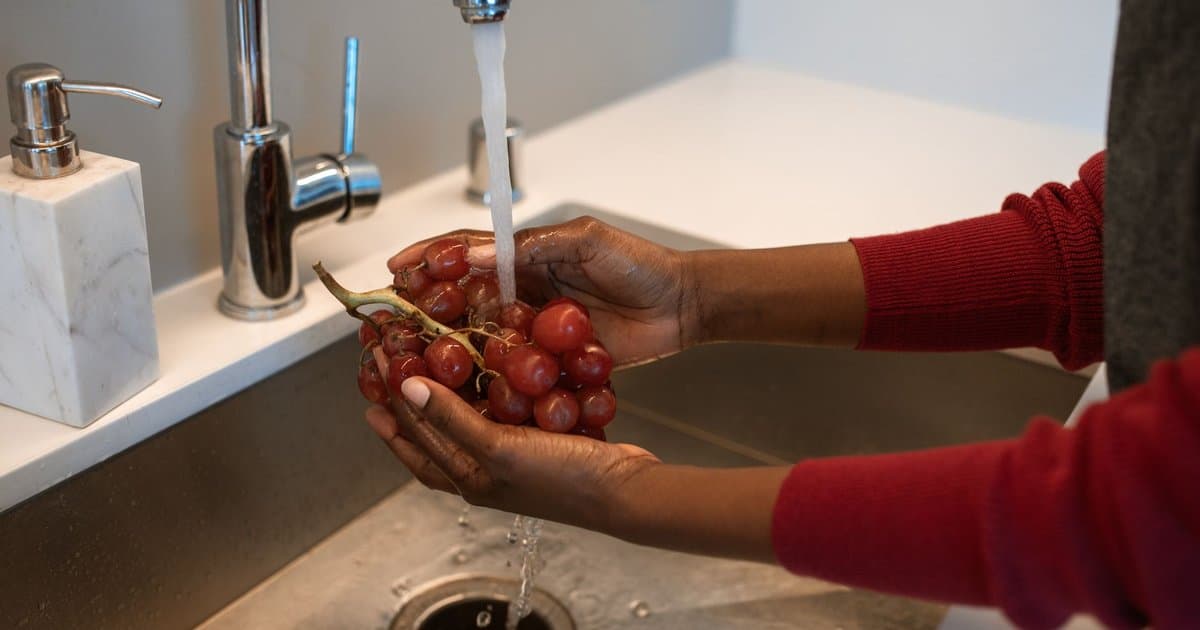
People often ask if the same advice covers other foods, and the answer varies. Beef, pork, and lamb do not need a rinse either, since the same splashing problem applies and cooking handles the surface. Fish is usually patted dry rather than washed, mostly for texture, not safety. Fruits and vegetables are the real exception, since you should rinse those under running water, especially if you eat them raw. The difference is simple, because produce is often eaten without cooking, while meat is not. So the rule is not that water is bad in the kitchen. It is that rinsing raw meat spreads risk while rinsing produce removes it.
It helps to remember why the agencies bother to push this at all. Foodborne illness is far more common than most people think, sending many thousands to the hospital every year. Poultry is one of the more frequent sources, since raw chicken often carries campylobacter and salmonella. Most cases clear up on their own, but some hit young children, older adults, and people with weak immune systems hard. A simple change at the sink lowers the odds of a bad week for your whole household. That is a strong return for so little effort. The steps are easy once the old habit finally loosens its grip.
Changing a kitchen habit you inherited is not easy, and it can feel like ignoring good advice from people you love. But this is one case where the newer guidance is clearly better. You are not being careless by skipping the rinse. You are actually being more careful, since you are cutting the germs off at the real source. Keep the care your family taught you and just move it to the steps that work. Clean hands, clean surfaces, and a good thermometer beat a splashy sink every time. That is how you keep dinner safe.