Almost everyone has heard the kitchen rule. Sear the meat first to seal in the juices. It sounds right, and it gets passed down from cook to cook as if it were settled fact. The problem is that it is not true. A hard sear does not build a wall that traps moisture inside a steak or a roast. Food scientists have tested this many times, and the crust simply does not work that way. Once you know what is really going on, you cook better meat.
The myth has a long history. It traces back to a chemist in the 1800s who guessed that a quick sear formed a shell that held juices in place. The idea spread fast because it matched what people wanted to believe. For more than a century, cookbooks repeated it without checking. Later, careful cooks ran the test. They seared one piece and left another unseared, cooked both to the same doneness, and weighed the results. The seared meat did not hold more moisture. In many trials it lost a little more.
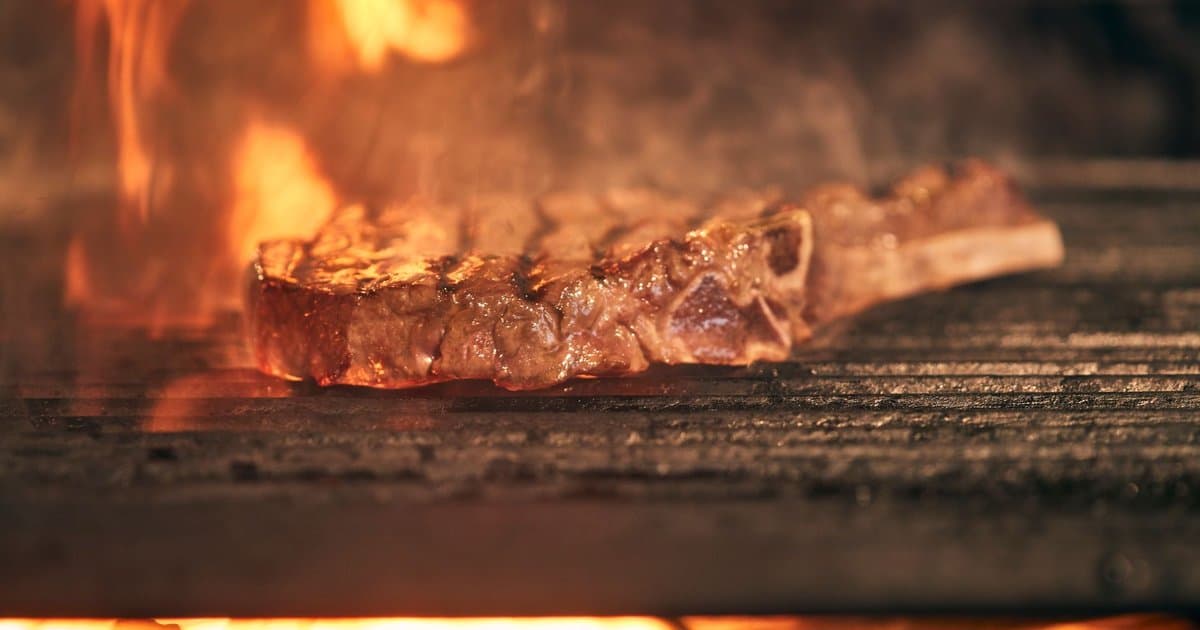
Think about it and the reason is clear. A browned crust is not waterproof. If it truly sealed the surface, the meat would stop sizzling, because that sizzle is water escaping and turning to steam. The hiss you hear in the pan is proof that moisture is still leaving. Heat pushes juices out no matter how brown the outside gets. A crust can be tasty and firm, but it is full of tiny gaps that water passes through with ease.
So if searing does not lock in juices, why do it at all? Because searing builds flavor, and a lot of it. When meat hits high heat, its proteins and sugars react and turn brown in what cooks call the Maillard reaction. That reaction creates hundreds of new flavor and aroma compounds that raw or gently cooked meat does not have. It is the source of that deep, savory, roasted taste and the crisp edge people love. Searing is about taste and texture, not about trapping water.
If the sear is for flavor, then juiciness comes from somewhere else. The biggest factor by far is how far you cook the meat. Every degree past your target squeezes out more moisture, because heat makes the muscle fibers tighten and wring themselves like a wet towel. A steak pulled at the right internal temperature stays juicy. The same steak left on the heat too long turns dry and gray inside, no matter how you started it. A simple meat thermometer protects you better than any sealing trick.
The next factor is rest. When meat cooks, the juices get driven toward the center. If you slice it the moment it leaves the heat, that liquid spills onto the board. Let it sit for five to ten minutes and the juices settle back through the meat. The result is a cut that holds its moisture when you cut it rather than bleeding out. Resting costs you nothing but a little patience, and it does more for a juicy bite than a screaming hot pan.
Salt is the quiet third helper. Salting meat ahead of time, even hours before, changes how it holds water. The salt draws moisture out at first, then that liquid dissolves the salt and soaks back in, seasoning the meat and helping it stay tender. A dry brine is just salt and time, and it beats a last second sprinkle. Between the right internal temperature, a real rest, and early salt, you have far more control over juiciness than the sear ever gave you.
None of this means you should skip the sear. A good crust is one of the best parts of cooked meat, and you should chase it. Just know what it is doing. Sear for color, crunch, and that rich roasted flavor. Keep the meat juicy with a thermometer, a rest, and early salt. Let go of the sealing myth and your steaks and roasts will thank you. The science is friendlier than the folklore.