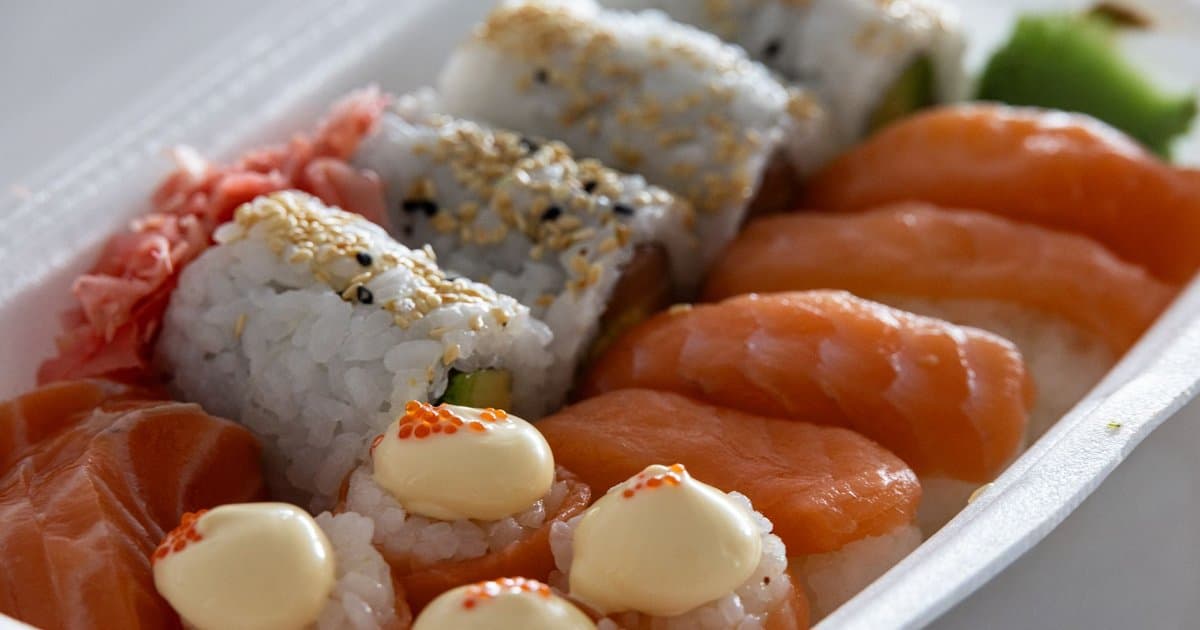
If a meal today feels bigger than the ones you grew up with, you are not imagining it. Over the last few decades, the food on an American plate has swelled in almost every setting. Health researchers gave the shift a name, portion distortion, because the growth happened slowly enough that it started to look normal. A serving that would have fed two people in the past now lands in front of one. The change shows up at fast food counters, sit down restaurants, and grocery shelves alike. Once your eyes adjust to the bigger plate, the old size starts to feel like a snack. The baseline moved without anyone announcing it. That is what makes the change so easy to miss.
The numbers behind this are hard to unsee once you know them. A bagel two decades ago ran about three inches across and close to 140 calories. The common bagel now stretches to six inches and near 350 calories for the same few bites of breakfast. Soda tells the same story, moving from a bottle around six and a half ounces to cups of twenty ounces and beyond. A single large soda can now carry more sugar than a person should have in two full days. The container grew, and the pour grew right along with it.
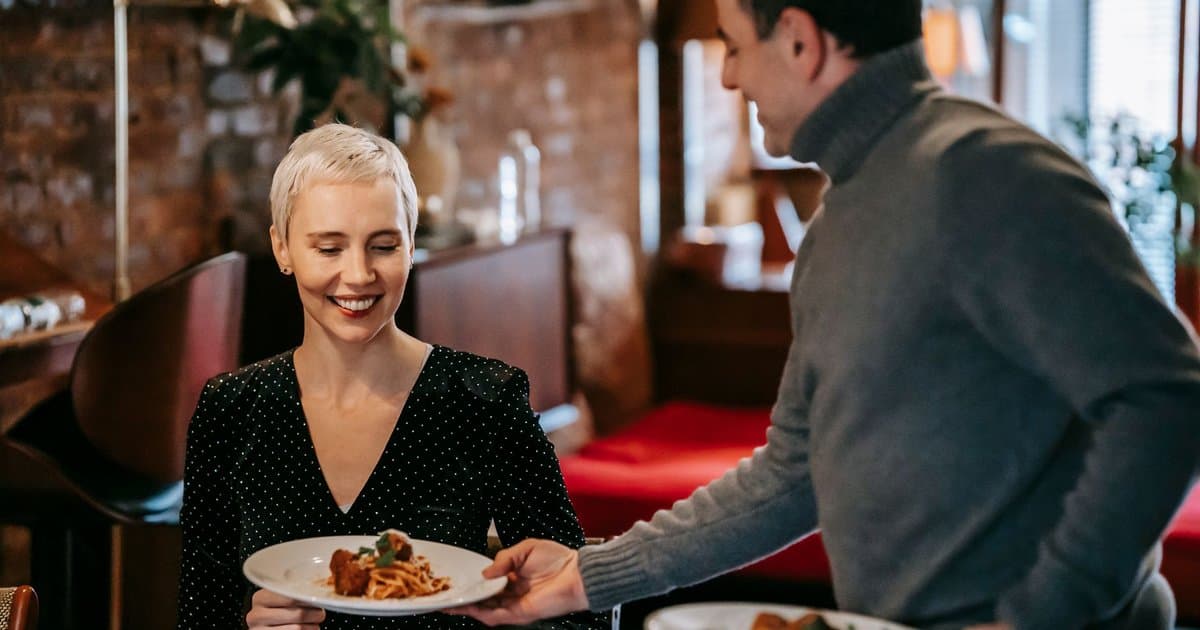
Sit down restaurants pushed portions in the same direction. A plate of pasta served as a main course today can hold four to five times what an official serving size lists. Steaks that once weighed six or eight ounces now show up at twelve, sixteen, or more. The plates themselves got wider to hold it all, and a wider plate makes a large portion look modest. Studies have found that people serve and eat more simply because the dish in front of them is bigger. Your stomach does not measure ounces, it reads the plate in front of you.
This matters because most of us use outside cues to decide when we are full. We tend to eat what is served rather than stopping at some inner signal. When a normal restaurant meal climbs past 1,200 calories before drinks, the math adds up fast. A person can take in a full day of energy in a single sitting and still feel like they had one ordinary meal. Do that a few times a week and the extra creeps on without any obvious cause. The portion did the work, quietly, meal after meal. No willpower failed along the way. The size simply set the pace for you.
There is a business reason the plates keep growing. The cheapest part of a restaurant meal is usually the food itself, so adding more of it costs little while making the price feel fair. Bigger portions read as better value, and value keeps people coming back. The same logic drives combo deals and the offer to make it large for a small upcharge. We walk away feeling like we won on price. The trade we rarely notice is the one happening to our appetite over time.
The good news is that the eye can be trained back. Ordering a starter as your main, or splitting an entree, often lands you closer to a real serving. Asking for a box at the start and putting half away before you begin removes the temptation to clean the plate. At home, using a smaller plate makes a normal portion look complete instead of sparse. None of this requires counting a single calorie. It simply resets what a full plate is supposed to look like. Small plates trick the eye in your favor. That one swap does real work over time.
The shift also shapes what the next set of eaters treats as normal. Children who grow up with oversized servings learn that as the baseline, not the exception. That makes the pattern harder to break the longer it runs, because it never felt like a change to them. Teaching a reasonable portion early does more than manage a meal. It sets the ruler a person uses for the rest of their life. What looks normal is learned, and it can be relearned. The ruler is yours to reset. It just takes a little attention.
None of this means the goal is to eat less for its own sake. It means seeing the plate clearly instead of trusting that the size in front of you is the right one. The portion you are served was set by a kitchen and a price, not by your body or your day. Once you know how far the baseline has drifted, you can decide for yourself instead of following the plate. Order what fits your actual hunger, not the container it came in. The size is a choice again once you can see it.