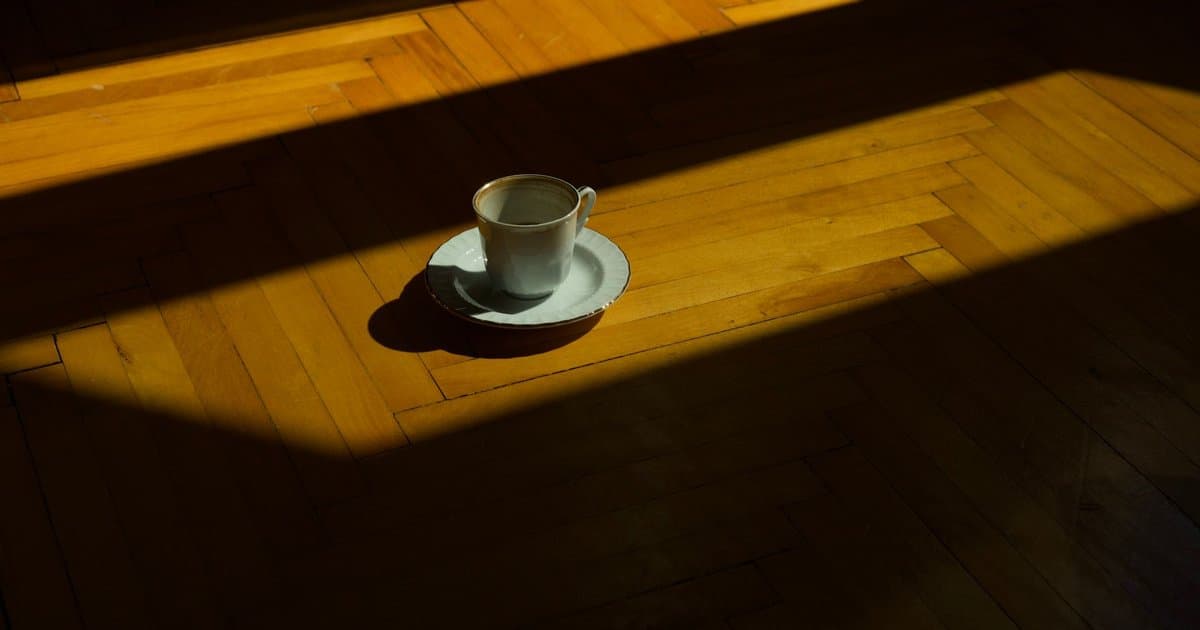
Pour a standard cup of coffee and you are looking at maybe eight ounces of water in the mug. The real number behind that cup is closer to 35 gallons. That is the figure researchers reach when they count every drop it took to get the coffee to you, not just the water you boiled. It sounds impossible until you follow the bean backward from your kitchen to the farm. Almost none of that water is the water you can actually see. The mug is the last and smallest step in a very long chain.
The idea has a name that experts use. Researchers call it virtual water, or a water footprint, and it measures the total water used across the entire life of a product. For coffee, that clock starts years before the cup, back when the plant is still growing. A coffee tree needs steady water for a long time to produce cherries, and each cherry holds only a couple of beans. Multiply that thirst across an entire farm and a full growing season, and the totals climb fast. By the time you count it all, one cup carries the weight of that whole process.
The biggest share by far comes from growing the plant. Most of the water in your cup is rain that fell on the farm and fed the coffee trees over months and years. That rainfall is often invisible in the math people usually do, because no one runs a meter on a passing cloud. But it is still water tied up in making your coffee, and it could have gone toward growing something else. In regions where coffee is a major crop, that demand shapes how land and water get used. The plant drinks long before you ever do.
Growing is only the first stage of the bill. After the cherries are picked, many farms use water to process them, washing away the fruit to reach the bean inside. This wet method can use a lot of clean water and often sends it back out carrying pulp and waste. Then the beans are dried, roasted, bagged, and shipped across the world, and each of those steps adds its own smaller water cost. None of it reaches your cup, but all of it counted toward making the coffee possible. The 35 gallon figure is really the sum of all these hidden steps.
To put the number in context, compare it to a cup of tea. Tea takes roughly a quarter of the water that coffee does per serving, because the leaves are lighter and less thirsty to grow. That does not make coffee a villain, but it does explain why the two drinks sit so far apart on a water chart. The heaviness of coffee comes from how much plant material it takes to make a small amount of finished bean. More plant means more water, plain and simple. The gap is not about your kettle, it is about the farm.
Coffee is not alone in this hidden math. Almost everything you eat and drink carries a water cost that dwarfs what shows up on the plate. A single almond can take about a gallon of water to grow to harvest. A pound of beef runs into the thousands of gallons once you count the feed, the years, and the animal itself. Seen this way, the water bill of daily life is far larger than the amount that pours out of your tap. Most of our water use is buried deep inside the food we buy.
None of this is a reason to feel guilty about your morning cup. It is a reason to see the true cost of things we treat as cheap and endless. Coffee often grows in parts of the world where water is already tight, so the demand does not fall evenly across the map. When a dry season hits a growing region, the strain shows up in prices and in the lives of the farmers. Understanding the footprint helps explain why a crop can feel fragile even when the shelves look full. The cup quietly connects your kitchen to land far away.
You do not need to give up coffee to respond to any of this. Small habits still add up across millions of daily drinkers. Brewing only what you will actually drink cuts the waste of tossing full pots down the drain. Buying from growers who use water more carefully sends a signal back down the chain. Even keeping a machine clean and running well trims the water and beans lost to bad batches. The point is not fear, it is awareness, because a number like 35 gallons is easy to ignore right up until you know it is there.