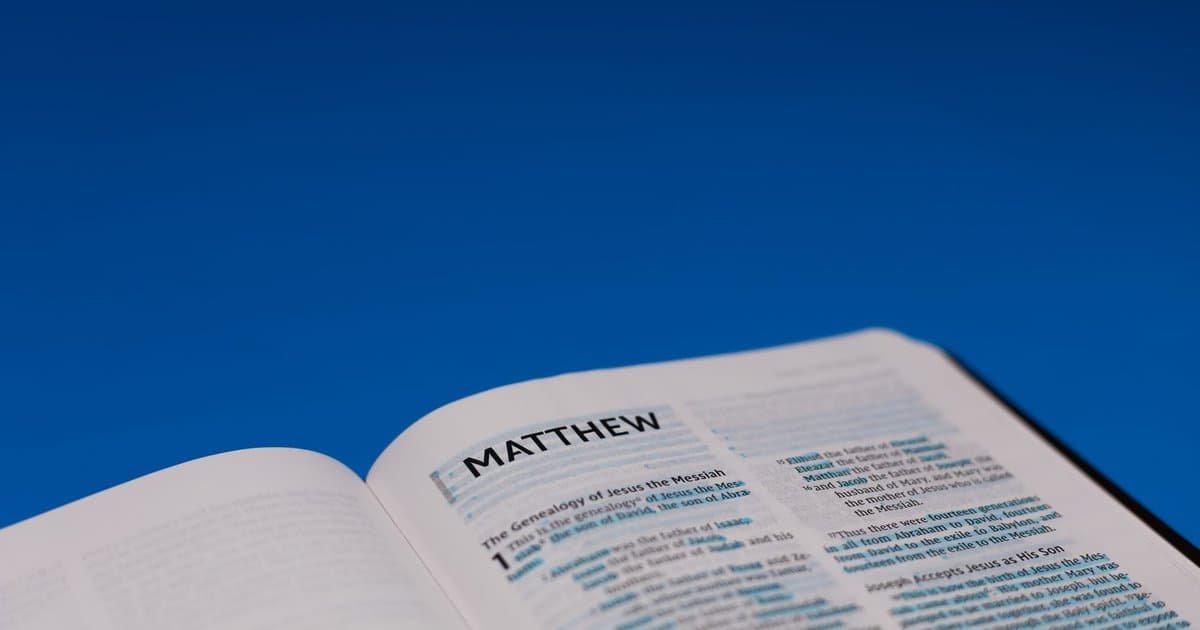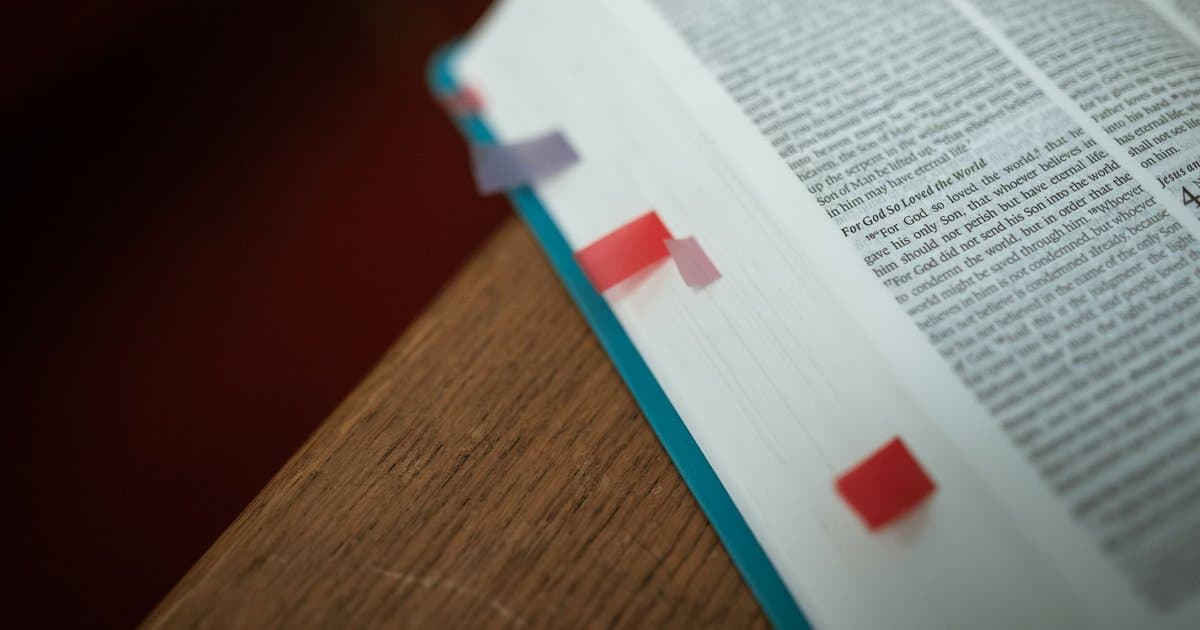
Most people open the Bible expecting it to read like a manual. They want clear steps, clean answers, and sentences that move in a straight line from problem to solution. That expectation works fine in places like Romans or the book of Acts, where the writing really does argue and report. But it falls apart the moment you reach the Psalms, the prophets, or large stretches of Job, because those books were never built to read like prose. Scholars estimate that close to a third of the Bible was written as poetry, and almost nobody is told that before they start reading. The result is that millions of people quietly conclude they are bad at the Bible when the truth is they were handed poetry and told to read it like a paragraph.
Hebrew poetry does not work the way English poetry does, which is part of why it slips past us. It does not rhyme sounds, and it does not count syllables in a fixed meter. Instead it rhymes ideas, a pattern translators call parallelism, where the second line of a verse repeats, sharpens, or flips the first. When the psalmist writes that God is his rock and then in the next breath calls him his fortress, he is not padding the verse. He is turning the same truth slowly in the light so you see a new edge of it. Once you know to look for that pairing, you start reading the two lines together instead of racing past them, and the verse opens up in a way it never did before.
This matters because poetry asks for a different kind of attention than instructions do. A recipe wants to be obeyed and then forgotten. A poem wants to be sat with, read again, and felt before it is fully understood. When you treat Psalm 23 like a checklist, you skim past green pastures and still waters in about four seconds and miss the entire point, which was to slow your breathing and remind your body what rest feels like. The form is doing work that the bare information cannot do on its own. Strip the poetry out and you are left with a flat summary that technically says the same thing while delivering almost none of it.
The prophets are where this gets really practical, because so much of their writing is poetry disguised as argument. When Isaiah or Amos thunder about justice, they are using image, repetition, and exaggeration on purpose, the way a poet would, not the way a lawyer files a brief. People who miss this either dismiss the prophets as confusing or they take every vivid image as a flat prediction and tie themselves in knots. Reading them as poetry does not make them softer or less true. It makes them land the way they were meant to land, in the gut before the head, which is exactly where they were aiming.
There is a simple shift that changes everything, and it costs you nothing but a little patience. When you hit a poetic book, slow down and read it out loud, even quietly, because poetry was made for the ear long before it was made for the eye. Let the repeated lines repeat instead of skimming them as filler. Ask what feeling the writer is building rather than only what fact they are stating, since both are usually there at once. You will cover fewer verses per sitting, and that is the point, because depth in poetry comes from rereading, not from speed. The people who seem to get the most out of the Psalms are almost never the fastest readers in the room.
None of this requires a seminary degree or a stack of commentaries, though those can help later. It only requires knowing the genre before you start, the same way you already adjust your reading without thinking when you move from a text message to a wedding toast to a warning label. You read each one differently because you know what it is, and the Bible deserves that same basic courtesy. A study Bible will usually mark which books are poetry, and even a quick look at the formatting tells you a lot, since most translations break poems into short indented lines instead of full paragraphs. That visual cue on the page is a quiet signal to slow down, and most readers have been ignoring it for years.
So the next time the Bible feels dry or confusing, check what you are actually holding before you blame yourself. If the lines are short and the images keep stacking, you are reading poetry, and poetry rewards a reader who lingers far more than one who rushes. Give it the patience you would give a song you love, and the same words that felt flat on Monday can stop you in your tracks by Friday. The book did not change. The way you were taught to read it did.