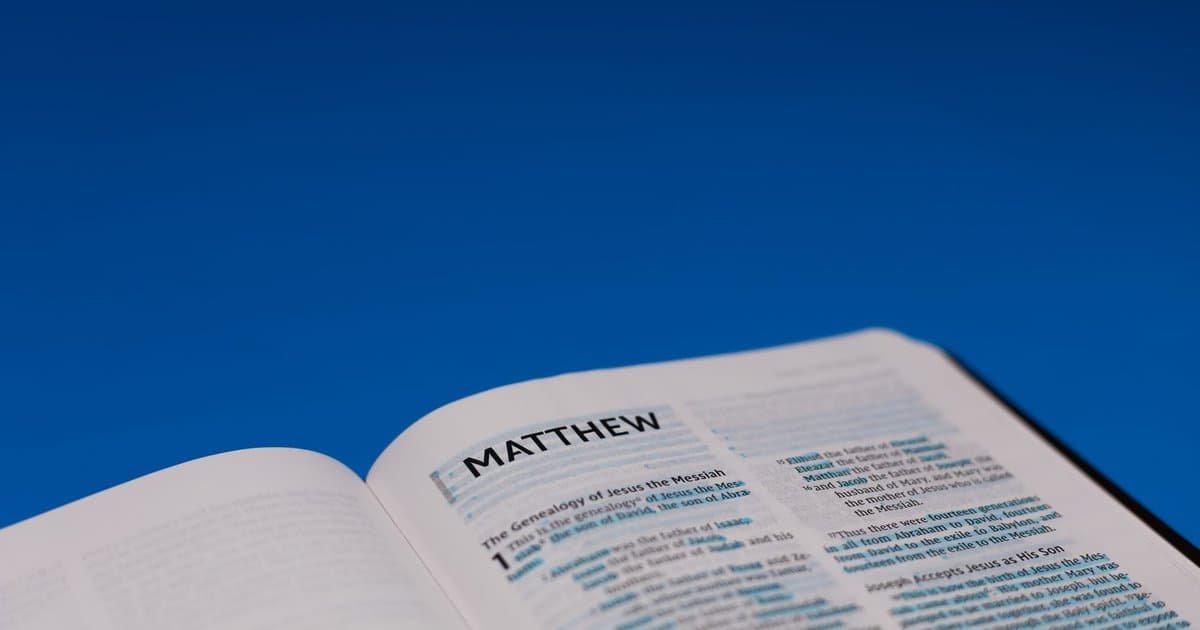
Open most Bibles and the last page of the Old Testament sits right next to the first page of the New. Malachi ends, you turn the leaf, and Matthew begins. That single turn of a page hides roughly 400 years of history. The prophet Malachi is usually dated to around 430 years before Christ, and the events of the Gospels open the story again at the birth of Jesus. In between, there is no book of the Hebrew Bible narrating what took place. Teachers often call this stretch the silent years, and the silence is easy to miss because the page break makes it feel like no time passed at all.
The name is a little misleading, though, because silence here means the absence of a recognized prophetic voice, not the absence of events. For centuries the people of Israel had heard from prophets who spoke for God, and then that voice went quiet. No new Isaiah stood up. No new Jeremiah wrote. Faithful families kept praying, kept reading the scrolls they had, and kept waiting for a promise they were not sure how to time. If you have ever gone through a long season where heaven felt quiet, you have a small taste of what those generations carried. Waiting without a clear word is one of the hardest disciplines a believer faces.
While the prophets were silent, the map around Israel kept changing hands. Persian rule gave way to the Greeks when Alexander the Great swept through the region, and Greek language and culture spread everywhere he went. After Alexander died, his empire split, and Israel got caught between two rival kingdoms that fought over it for generations. One of those rulers, Antiochus the Fourth, tried to stamp out the faith entirely, outlawing worship and defiling the temple in Jerusalem. That cruelty sparked the Maccabean revolt around 167 years before Christ, when a priestly family led an uprising and won back the temple. The festival of Hanukkah remembers that rededication to this day.
Something else quietly happened in those years that shaped everything after. Jewish scholars in Egypt translated the Hebrew scriptures into Greek, producing a version known as the Septuagint. For the first time, the scriptures of Israel could be read by the wider world in the common language of the day. That mattered enormously, because when the New Testament writers later quoted the Old Testament, they often quoted this Greek translation. The stage was being set, word by word, for a message that would travel far beyond one nation. God was arranging the tools of the mission long before the mission began.
The religious landscape of the Gospels also took shape during the silence. The Pharisees and Sadducees, groups you meet all over the New Testament, formed and hardened their positions in these centuries. Local gatherings for teaching and prayer, which we would recognize as synagogues, spread through towns and villages. Expectation for a promised deliverer grew sharper as one foreign power after another pressed down on the people. By the time Rome took control of the region, hope for a Messiah was not a quiet hope. It was a hunger.
That Roman takeover is the last major piece. The general Pompey brought Jerusalem under Roman authority a few decades before Jesus was born, and Rome imposed a network of roads, a shared trade system, and a period of relative peace across the empire. Those roads would later carry apostles and letters across the known world. The Greek language left behind by Alexander would let a fisherman from Galilee be understood in distant cities. What looked like centuries of political misery turned out to be the exact conditions a global message would need. The silence was not empty. It was preparation.
So the next time you turn that single page from Malachi to Matthew, slow down and picture the four centuries pressed inside it. Empires rose and fell, a temple was defiled and cleansed, the scriptures crossed a language barrier, and a whole people learned to wait. The quiet was never a sign that God had left the room. He was moving in history, in language, and in politics to set a table nobody could see being set. When the fullness of time finally came, everything was ready. That is a pattern worth trusting the next time your own season goes quiet.