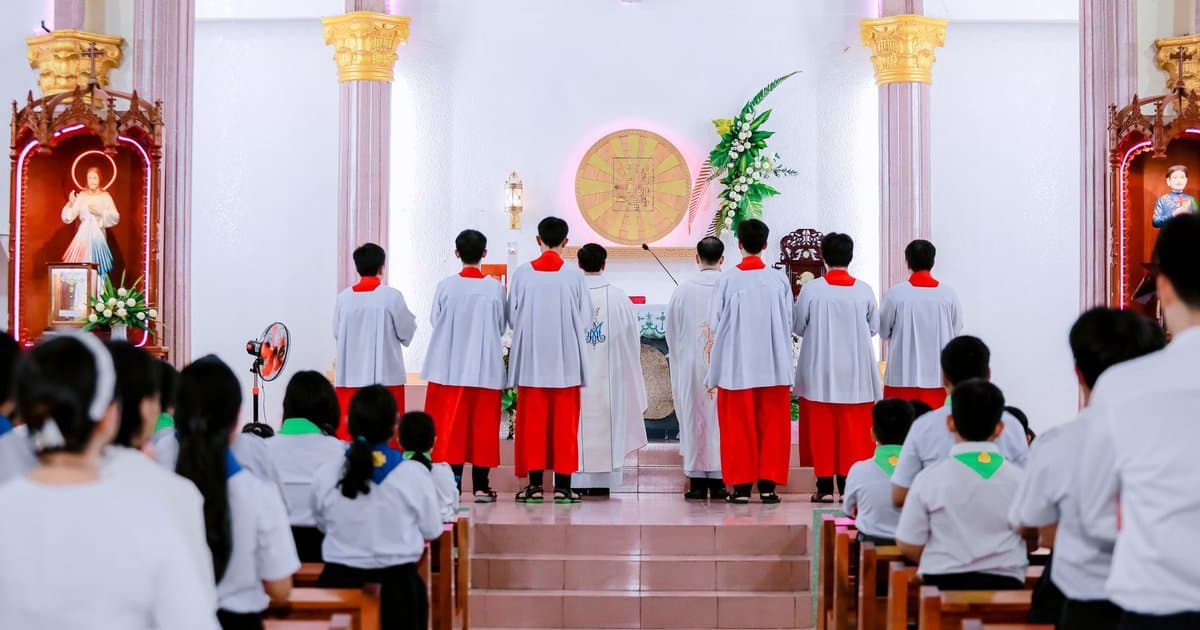
Ask most people what worship is and they point to music. The band, the singing, the slow songs near the end of a service. That is what the word has come to mean in everyday church language, and it is not wrong, but it is small. The actual meaning of the word is buried in its roots, and once you see it, the whole idea opens up. Worship was never mainly about a genre of song. It was about something you do with your entire life, and the old English word says so plainly. Recovering that meaning does not shrink worship down, it stretches it out over everything you touch.
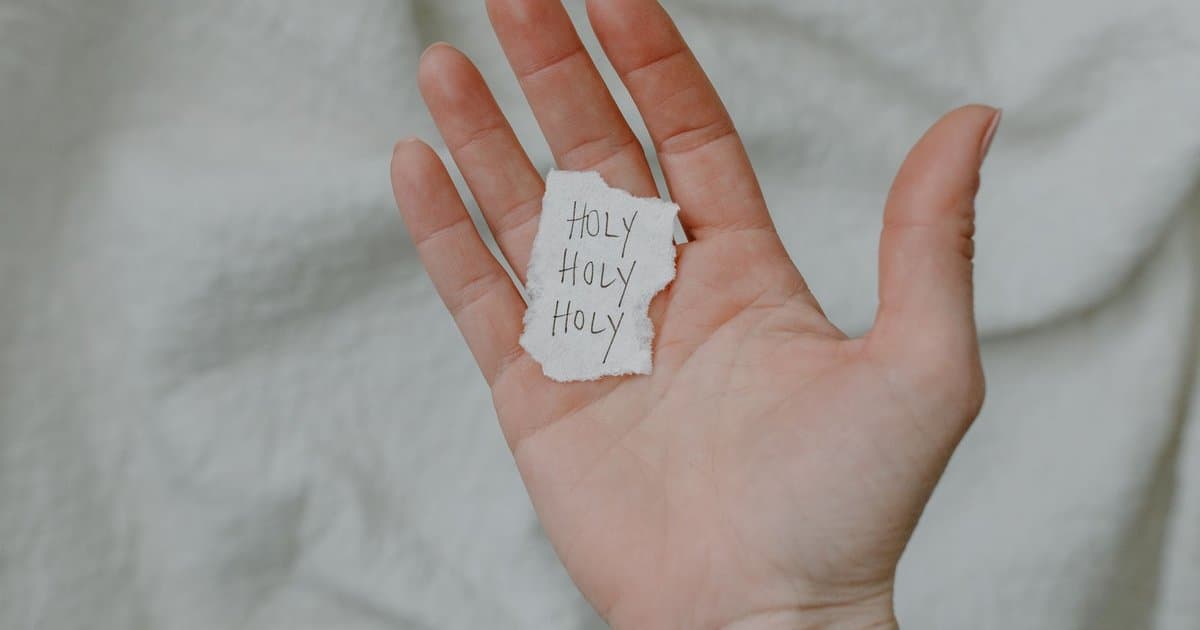
The word worship comes from an old English term, weorthscipe. It is built from two parts. The first is weorth, which means worth or worthy. The second is the ending scipe, which is the same ending we still use in words like friendship and hardship, meaning the condition or quality of a thing. Put them together and worship literally means worth-ship, the act of assigning worth to something. To worship is to declare that something is worthy, to hold it up and say this matters more than other things. That is the plain, original sense hiding under centuries of use.
That single insight changes how you read worship in scripture. The Hebrew word often translated as worship, shachah, carries the picture of bowing low, laying yourself flat before someone greater. The Greek word proskuneo has a similar image, a posture of coming near and bowing down in reverence. Neither one is fundamentally about singing. Both are about a body and a heart declaring that the one in front of them is worthy of honor. Song became a natural way to express that, but the root of it is a posture, an ascribing of worth, not a style of music. You see the same idea when people in scripture fall on their faces, lift their hands, or lay down what they own in front of God. The outward act is a signal of an inward judgment about who deserves the highest place.
Once you hold that definition, worship stops being an event on a calendar and becomes a description of a life. If worship is assigning worth, then you are worshiping something all week, whether you call it that or not. Whatever you give your best time, your deepest attention, and your first dollars to is what you are declaring most worthy. That might be God, and it might quietly be money, status, comfort, or the approval of other people. The question is never whether you worship. The question is what you have decided is worth the most.
This is why the scriptures treat worship as such a serious matter, and why the warnings against idols run so deep. An idol is not only a carved statue. It is anything you assign ultimate worth to that cannot bear the weight of it. When you build your life around a thing that was never meant to hold first place, it eventually cracks, and you crack with it. That is the honest danger the old word exposes. Worth-ship aimed at the wrong target does not just miss the point, it slowly shapes you into the image of whatever you exalt.
There is freedom in seeing it this way. If worship is a whole life declaring worth, then it is not confined to a room or a song set, and it does not require a stage or a good voice. Work done with integrity can be worship. The way you treat your family, handle your money, and carry yourself when no one is watching can all declare what you hold most worthy. The music matters, and gathering to sing together has real value, but it is one expression of a much larger thing. A life can preach the worth of God far longer than a four minute song ever could. It also means a person who cannot carry a tune is not shut out of worship, because their honesty, generosity, and obedience speak just as loudly. The declaration of worth is available to everyone, in every ordinary hour.
So the next time the word worship comes up, let it carry its full weight. It is not asking whether you enjoy the music or feel something during the bridge of a song. It is asking a harder and more honest question about where your worth-ship actually goes. Look at your calendar, your bank account, and your quiet thoughts, because those are the truest record of what you treat as worthy. The word has been telling us the answer the whole time, hidden in plain sight. Worship is worth-ship, and you are always doing it, every single day. The only real decision left to you is what gets it.