Almost everything in your kitchen is on a clock. Bread goes stale, milk turns, and even canned goods carry a date you are supposed to watch. Honey is the strange exception, because sealed and kept dry, it does not really spoil at all. Archaeologists have found pots of honey in ancient Egyptian tombs, thousands of years old, and reported it was still good to eat. That is not a marketing line invented to sell jars. It is a real property of honey, and it comes down to chemistry rather than magic. Once you know why, the jar in your pantry looks a little different.
The first reason is water, or rather the lack of it. Honey is extremely low in moisture, usually under 18 percent, and most bacteria and molds need water to grow and spread. On top of that, honey is packed with sugar, and all that sugar pulls moisture out of anything that tries to live in it. This is the same principle behind curing meat with salt or preserving fruit in heavy syrup. A microbe landing in honey is essentially stranded in a desert with no way to drink. It cannot get the water it needs to multiply, so it simply does not.
Water is only part of the story. Honey is also acidic, with a pH low enough to discourage many organisms that would otherwise cause spoilage. And there is a clever twist that comes from the bees themselves. Bees add an enzyme called glucose oxidase to the nectar, and as honey slowly matures, that enzyme helps produce small amounts of hydrogen peroxide. That is the same compound people reach for to clean out a cut. So honey is not just an inhospitable place to live, it actively fights off invaders with a mild, built-in antiseptic working in the background.
None of this is an accident. Bees engineer honey to last because their own survival depends on it. Honey is their stored food for winter and lean stretches, so it has to keep for months without refrigeration inside a warm hive. Everything about it, the low water, the high sugar, the acidity, the peroxide, is built to preserve a food supply. Humans just happened to discover that the same qualities keep honey edible for us far longer than almost anything else. We did not invent the preservation trick at all. We borrowed it whole from the hive.
There is a catch, and it is an important one. Honey only lasts this way if it stays sealed and dry. The one thing that can ruin it is water. If moisture gets in, from a wet spoon, a loose lid, or humid air, the sugar concentration drops in that spot and wild yeast can begin to ferment it. That is actually how mead, or honey wine, gets made on purpose by people who want it to ferment. So the rule is simple. Keep the lid tight, keep water out, and never dip a dripping spoon into a jar you want to store for the long term.
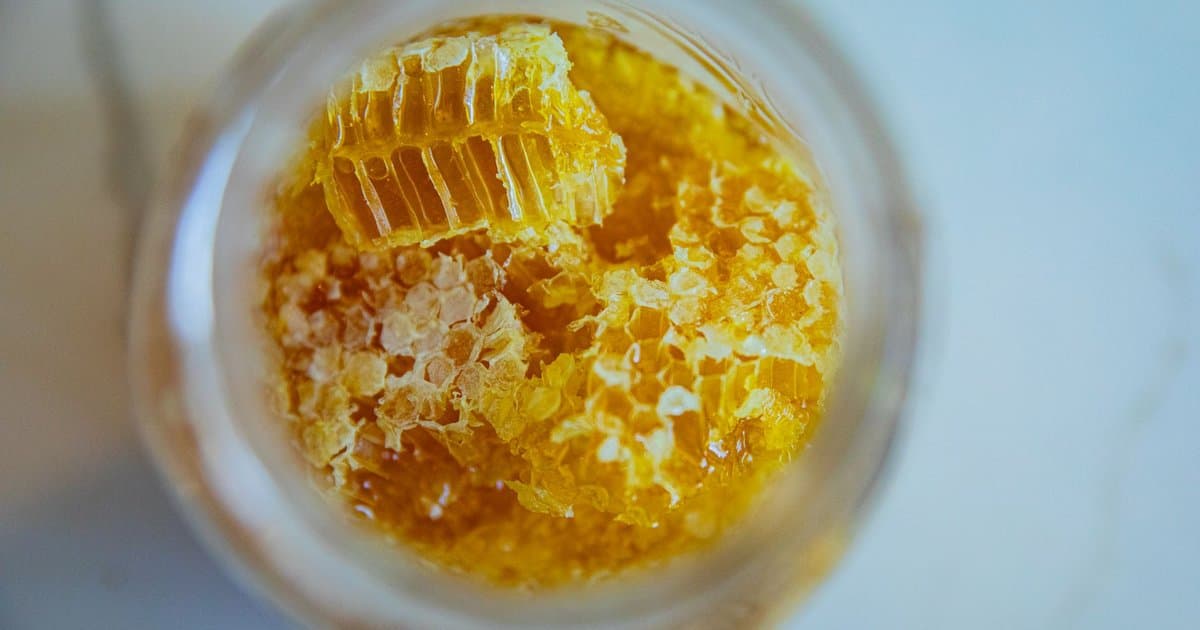
This is where a lot of people throw out perfectly good honey by mistake. Over time, most honey turns cloudy, grainy, and hard in the jar. That is crystallization, and it is completely normal. It is not mold, it is not spoilage, and it does not mean the honey went bad on you. The sugars are simply settling out of the liquid, which many honeys do naturally depending on their type. To bring it back, set the jar in warm water and stir gently until the crystals dissolve. Avoid boiling or blasting it in a microwave, since too much heat dulls the flavor and the delicate compounds.
There is one safety note that has nothing to do with spoilage and everything to do with who is eating it. Honey should never be given to babies under one year old. Raw honey can contain spores that a mature gut handles without any trouble but an infant's system cannot, and that can lead to a serious illness called infant botulism. For everyone past their first birthday, honey is safe and remarkably stable. This is the rare case where a food that essentially never spoils still carries a firm rule about who should not have it. Keep that one in mind.
So the next time you find an old jar pushed to the back of the pantry, crystallized and forgotten, do not pour it down the drain. Warm it gently, stir it smooth, and it is very likely as good as the day you bought it. Honey is a quiet reminder that preservation is really just chemistry, dryness, sugar, acid, and a little help from the bees. Store it right and a single jar can outlast the shelf it sits on, the pantry it lives in, and quite possibly even you. Very few things in a kitchen can honestly make that claim.